





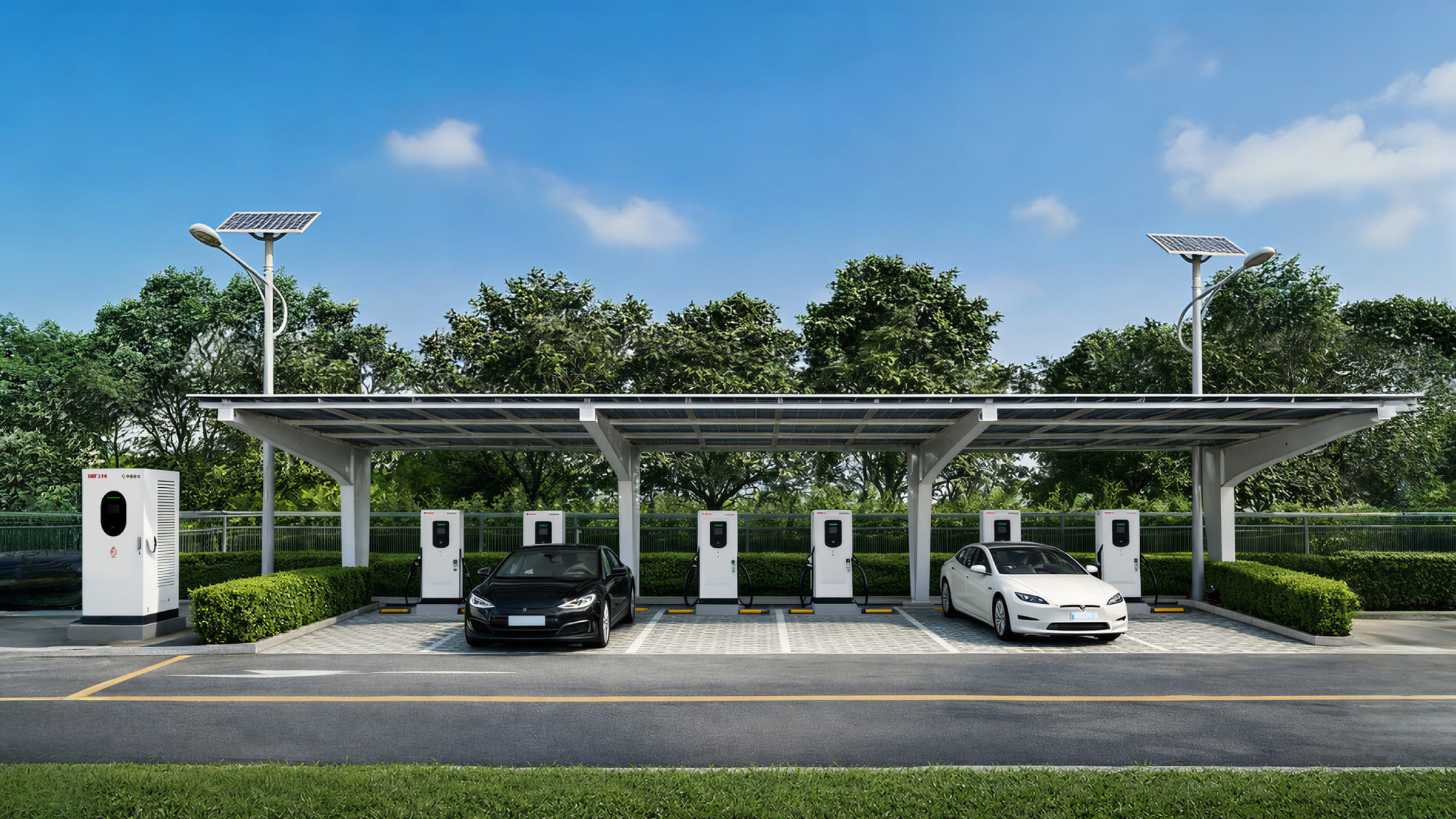
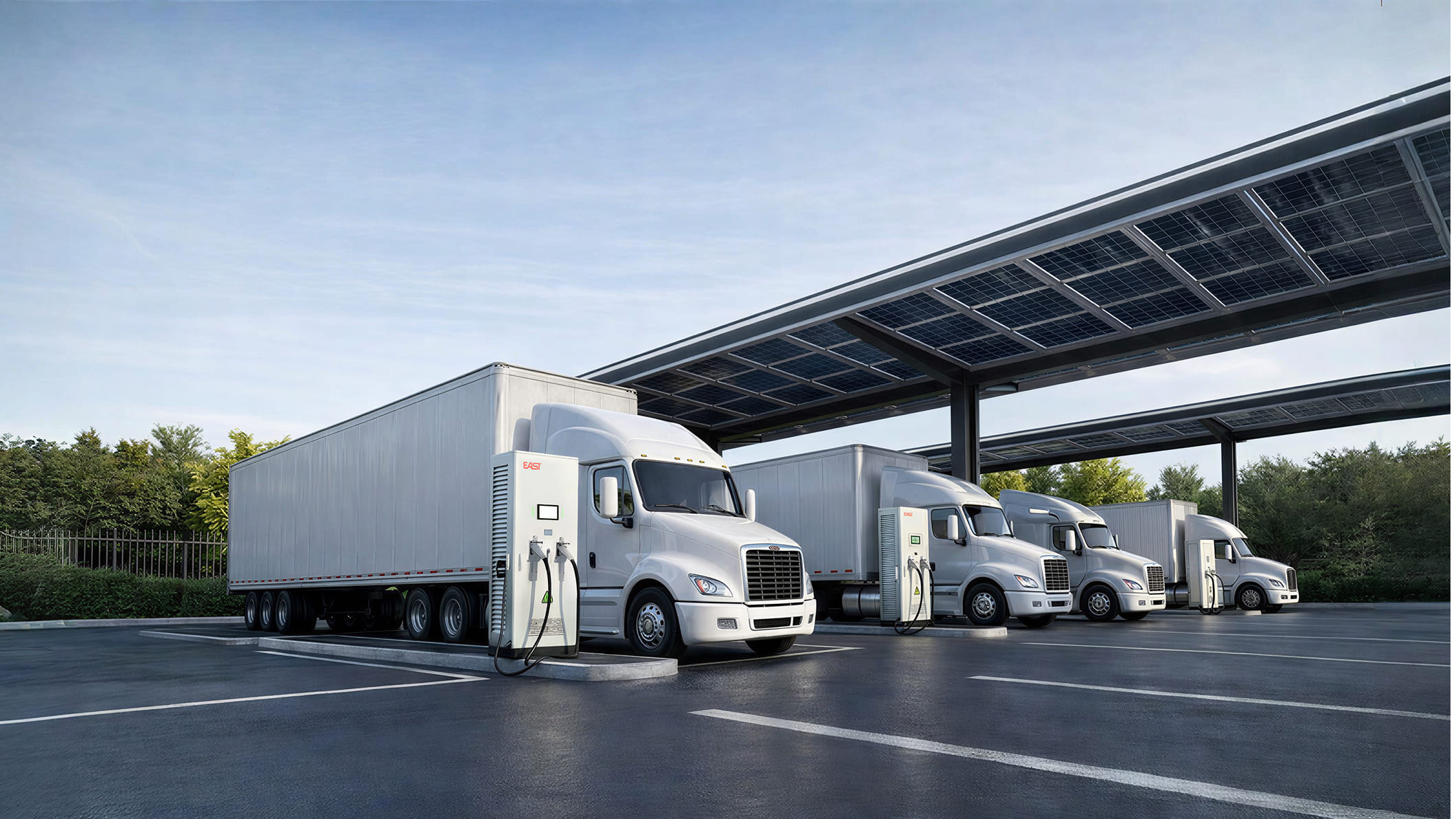
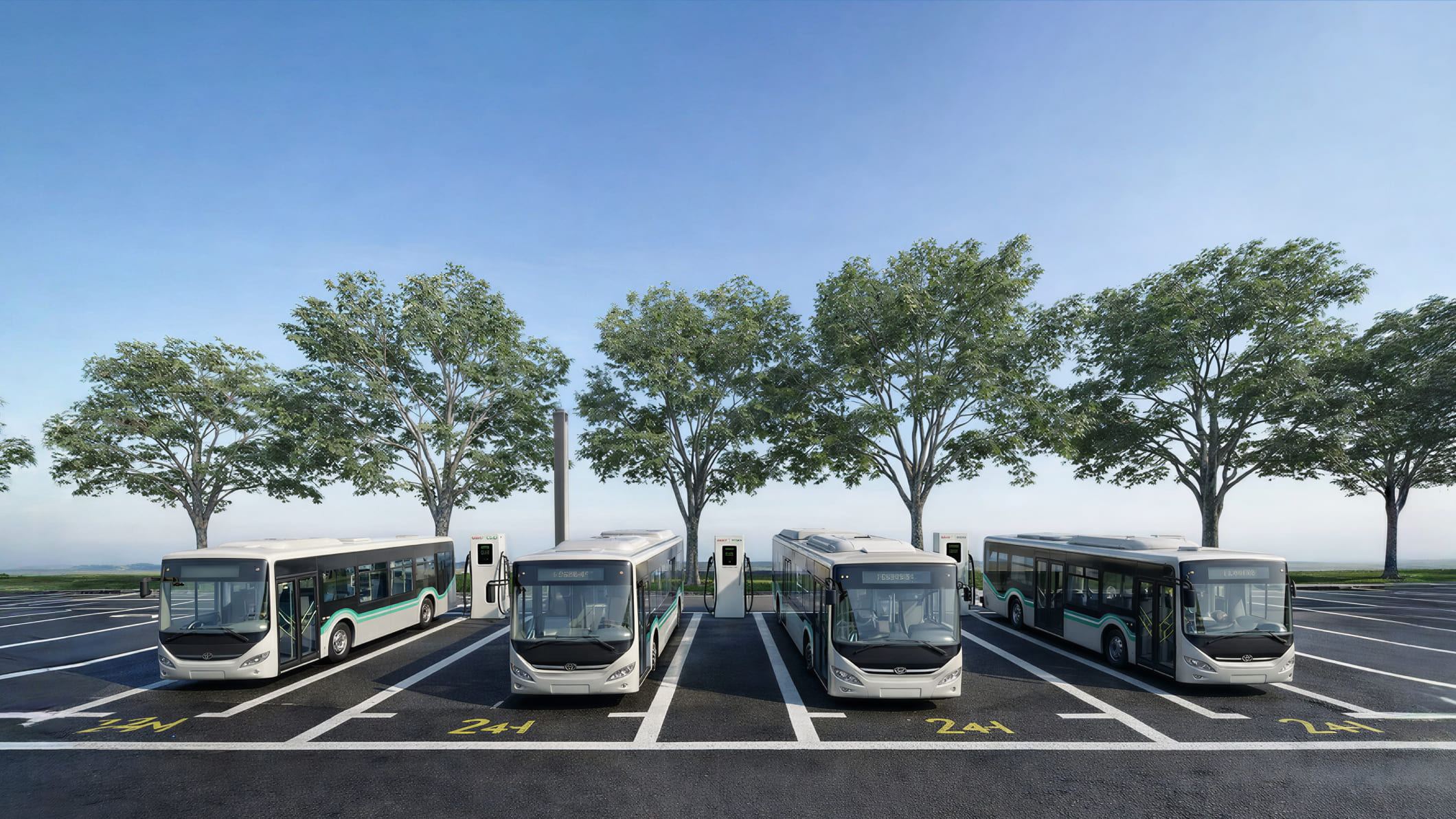









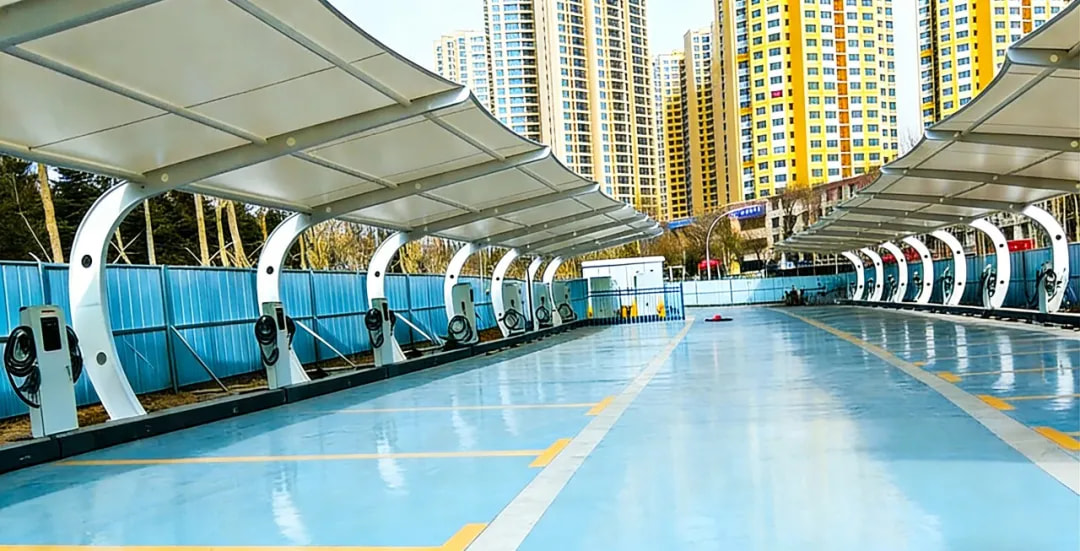
The construction of charging stations at Qinghai's Shenna Ruins Park was never a routine project from the outset.
Located at high altitude with significant day-night temperature fluctuations and thin air, this site is also a public space highly sensitive to environmental disturbances.
Once installed, the charging infrastructure must operate continuously without room for frequent shutdowns or repeated debugging.
Under these conditions, the fundamental challenge facing the project was whether the system could function sustainably and reliably in the plateau environment.
A construction challenge amplified by environmental factors
Project Name: Qinghai Shenna Site Park Charging Station Project
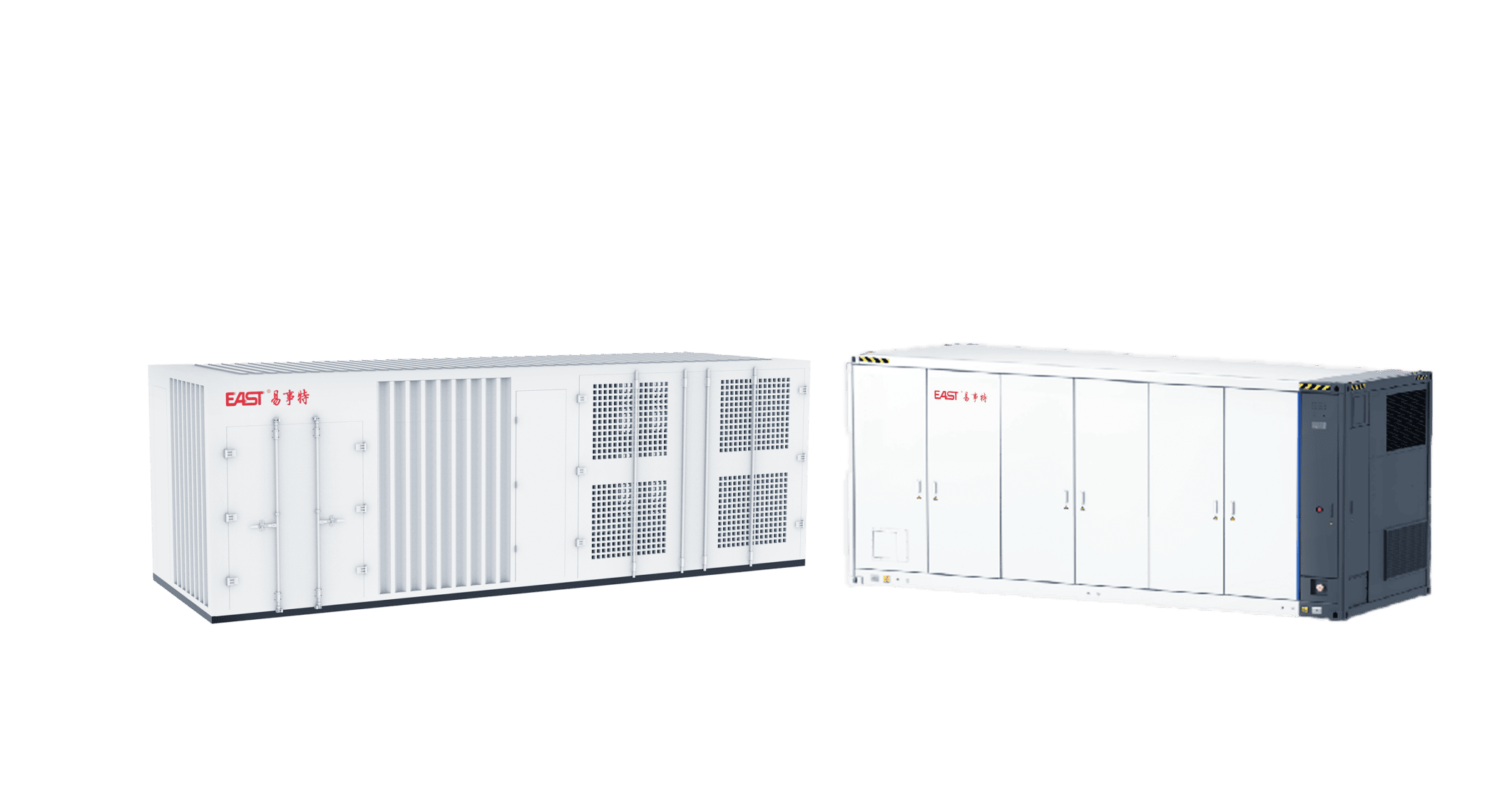
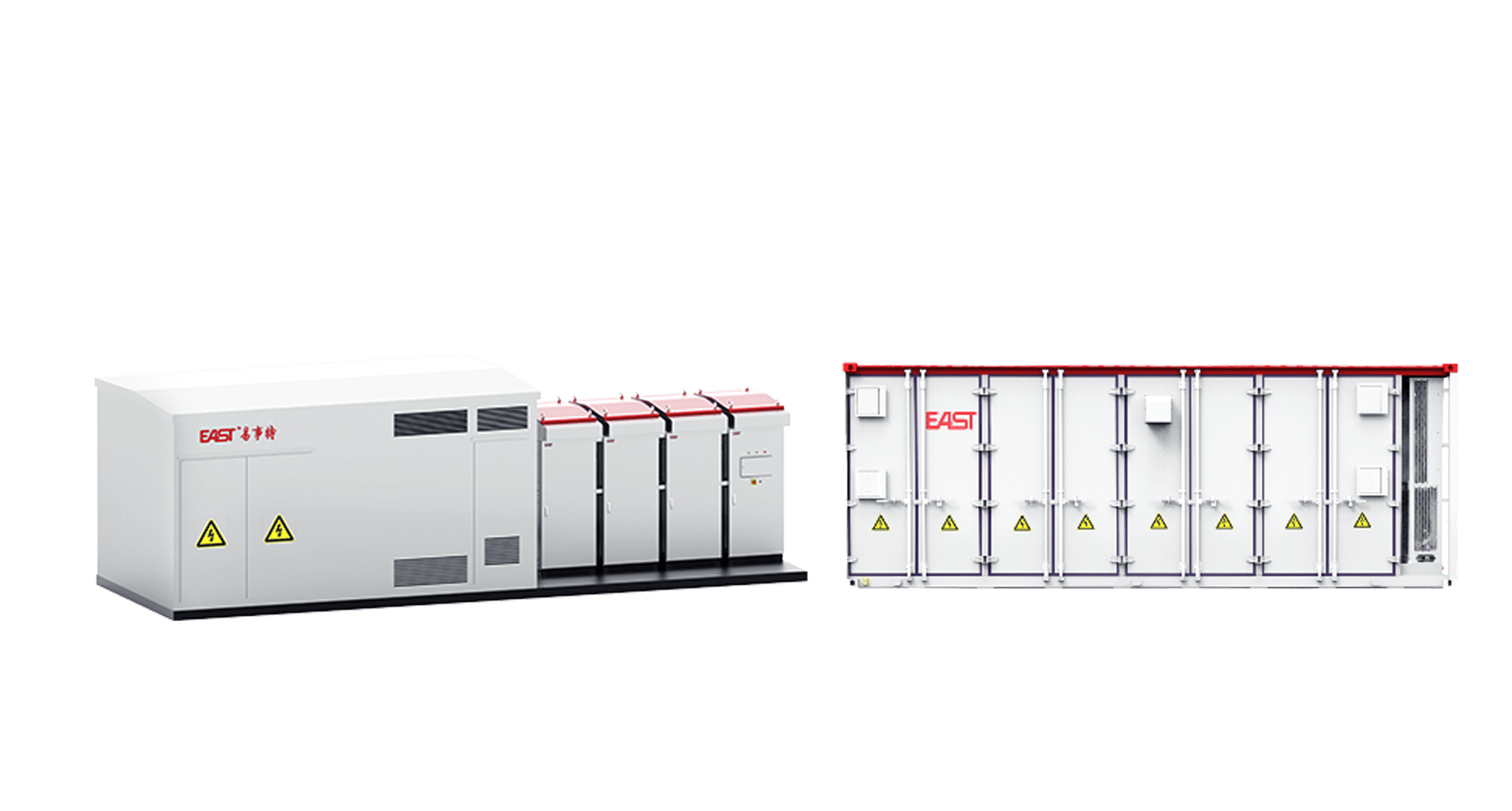
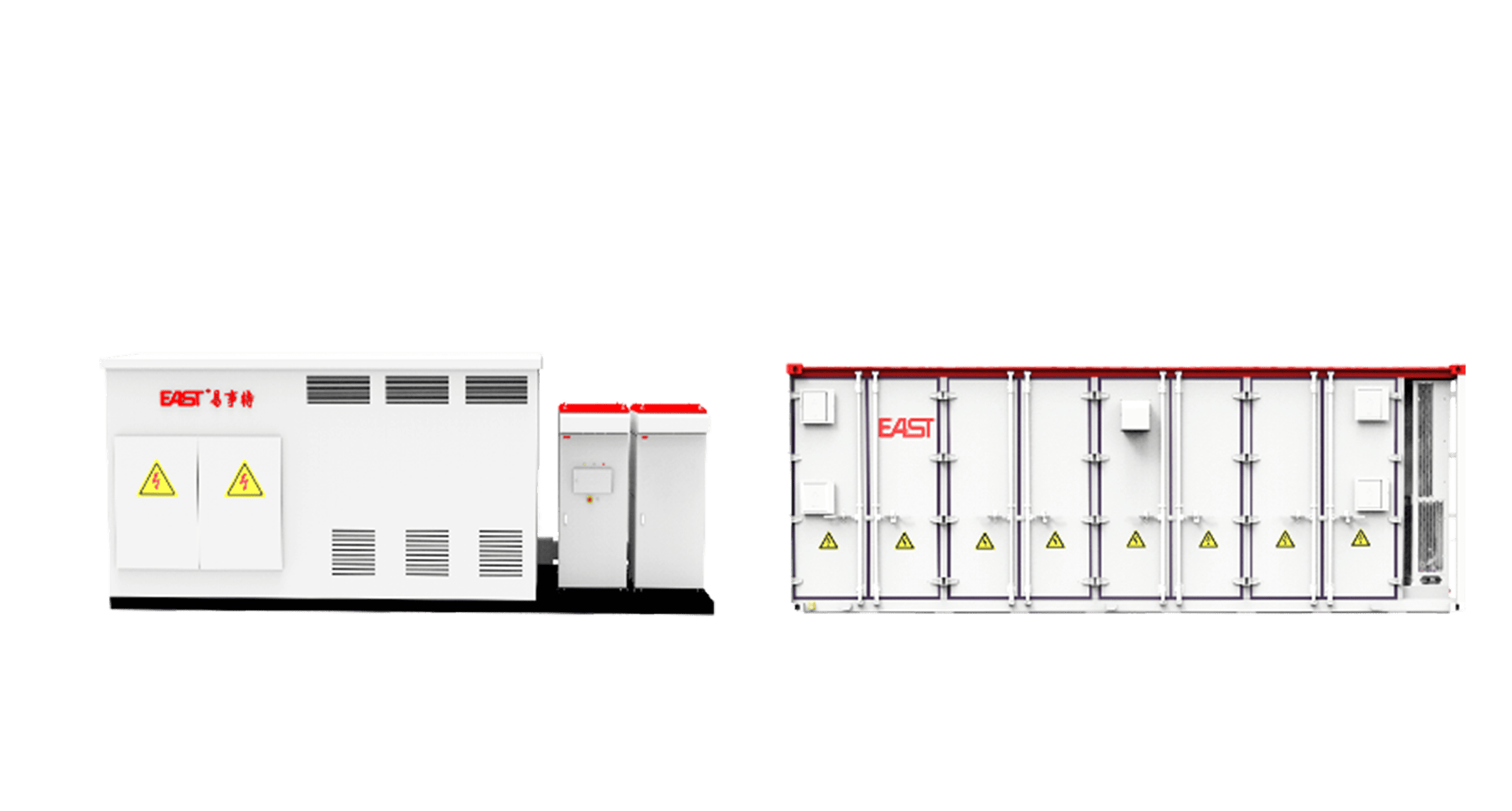
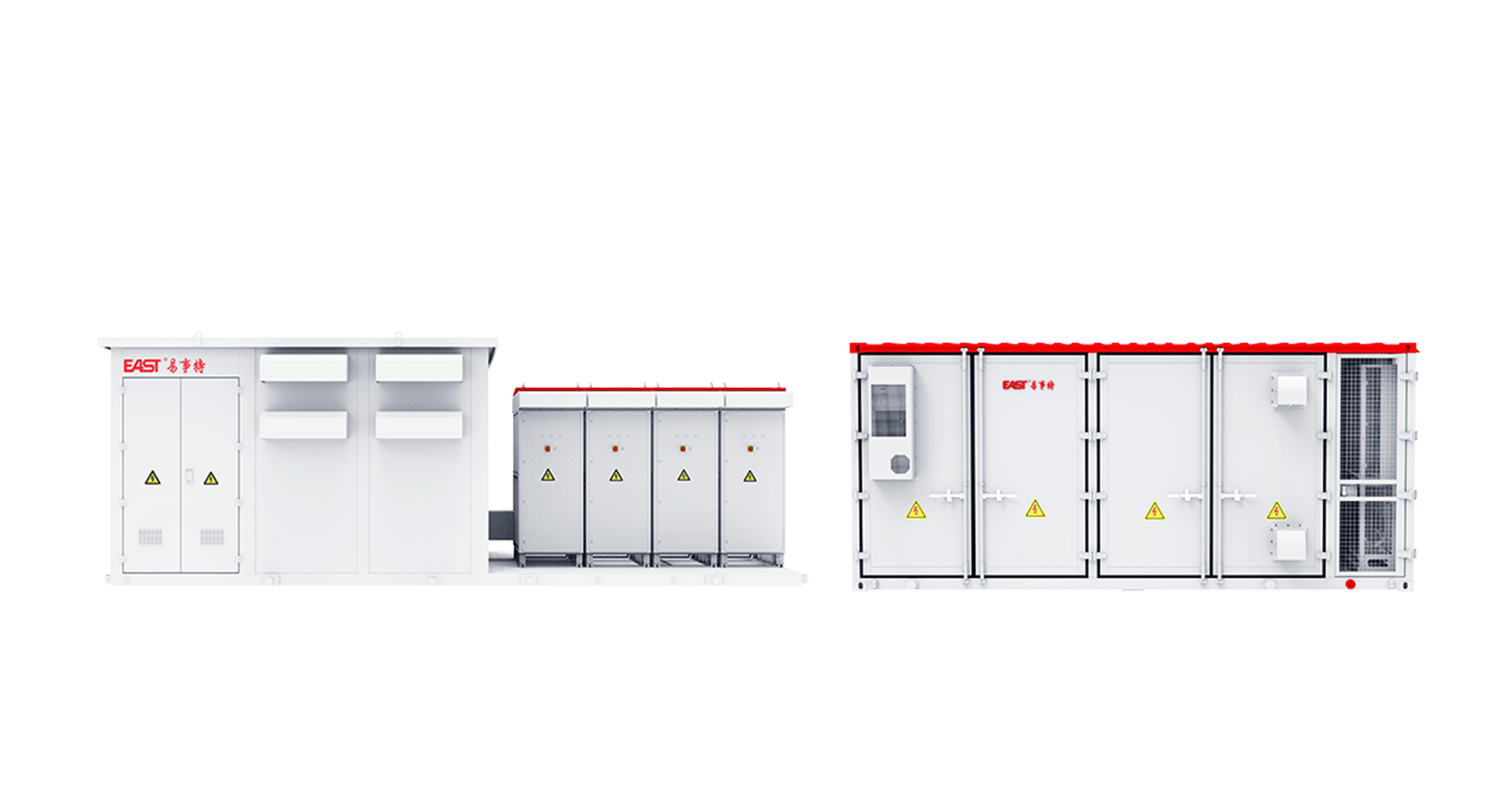
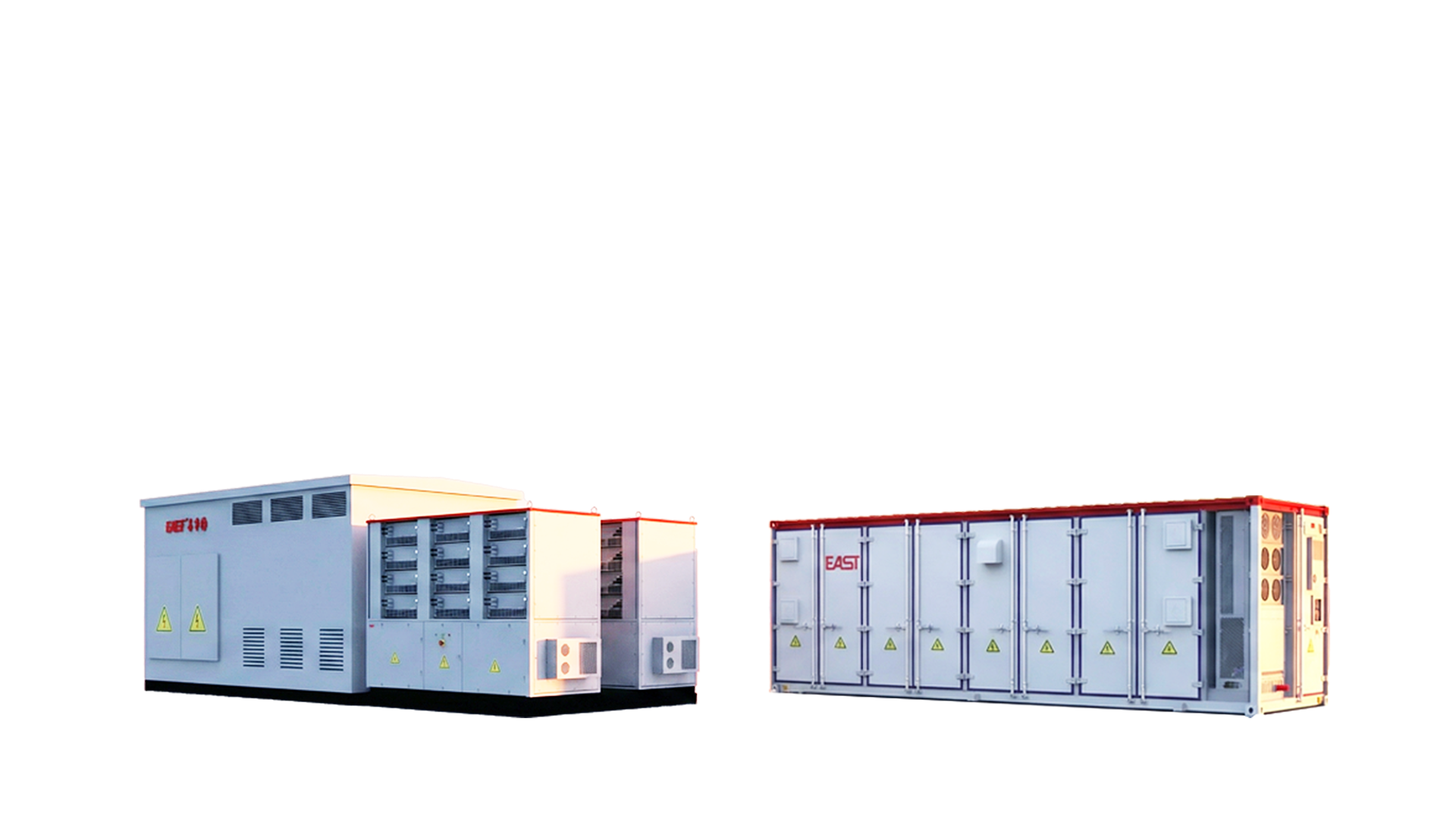
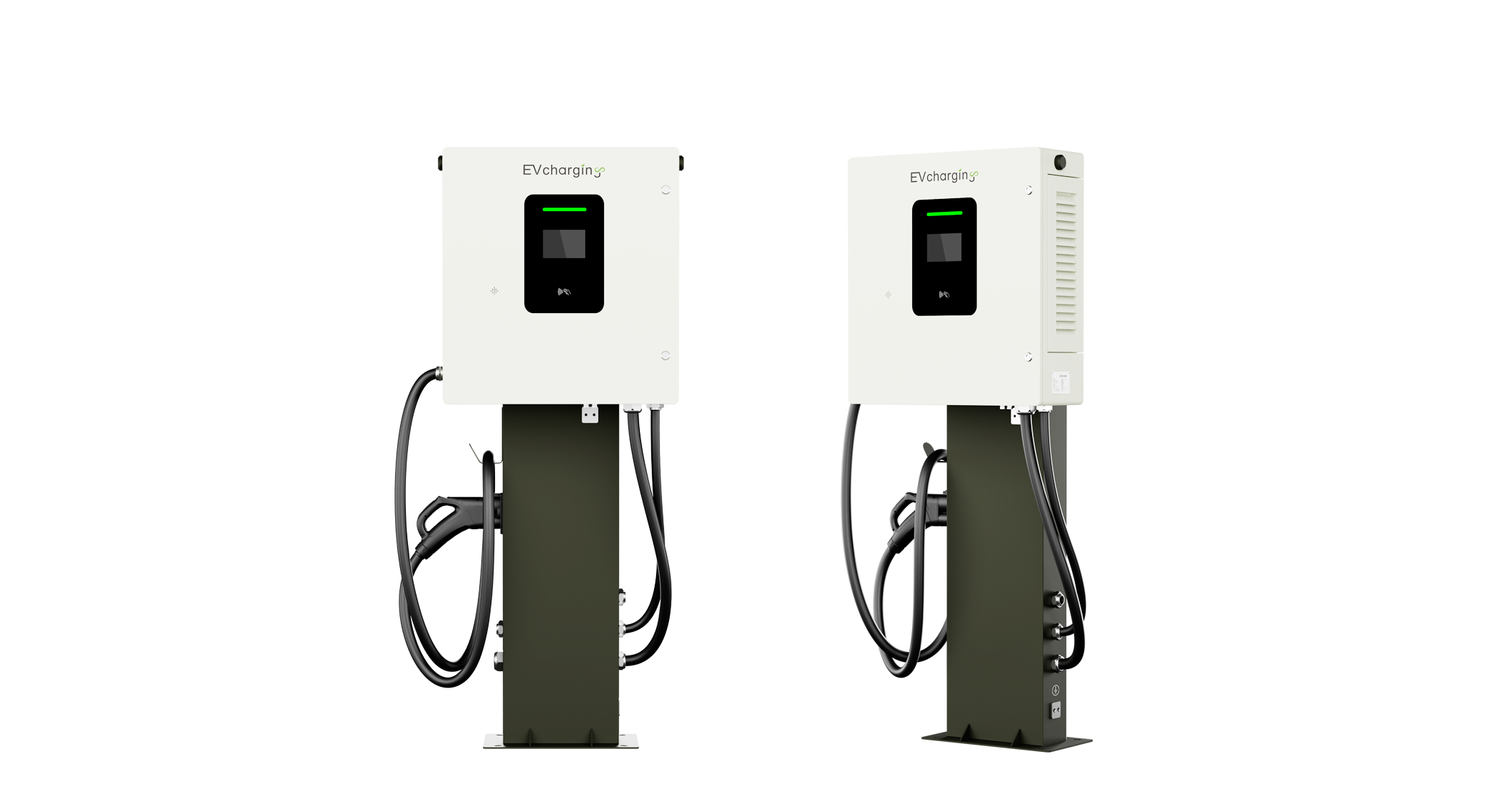
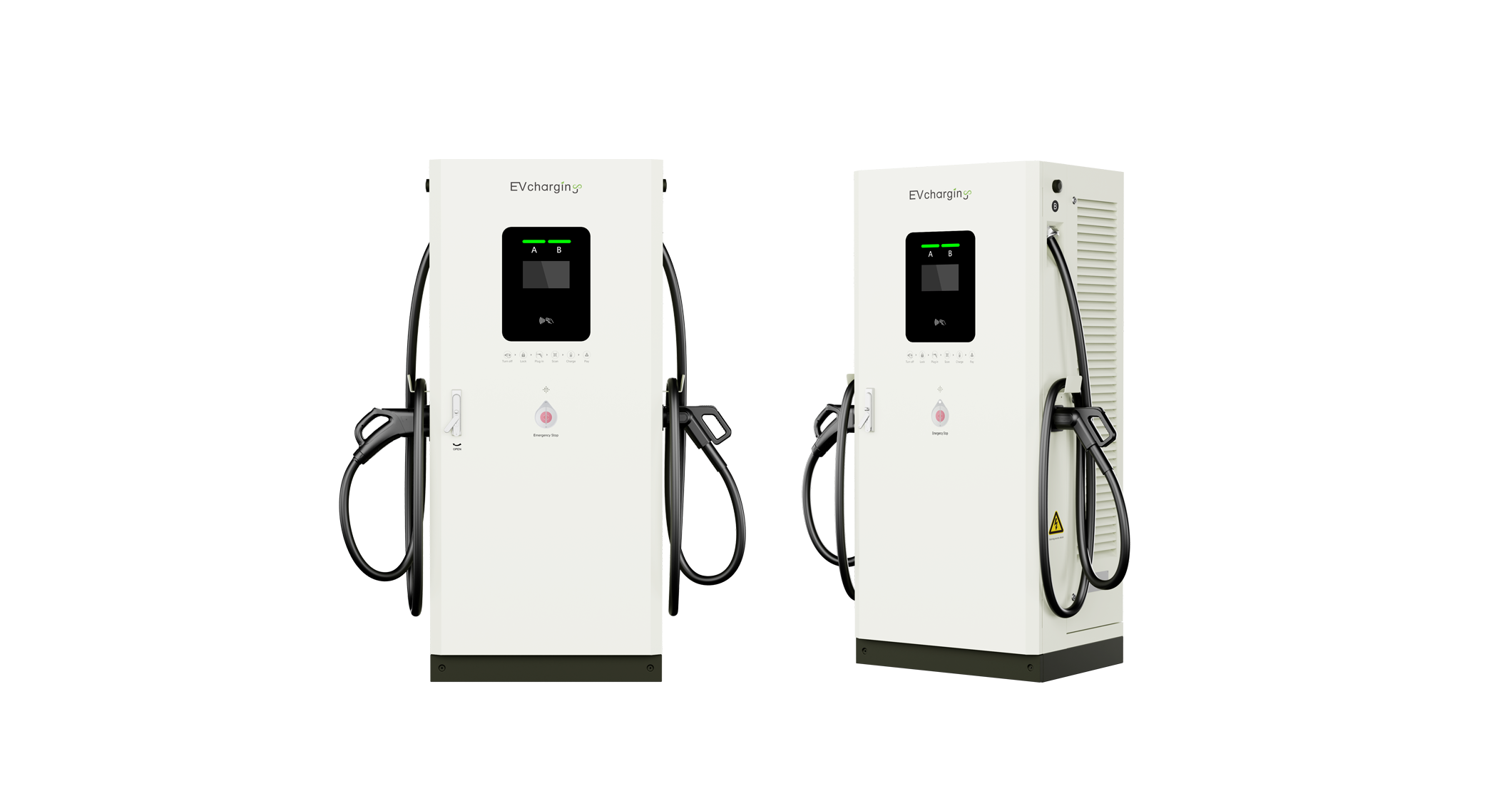
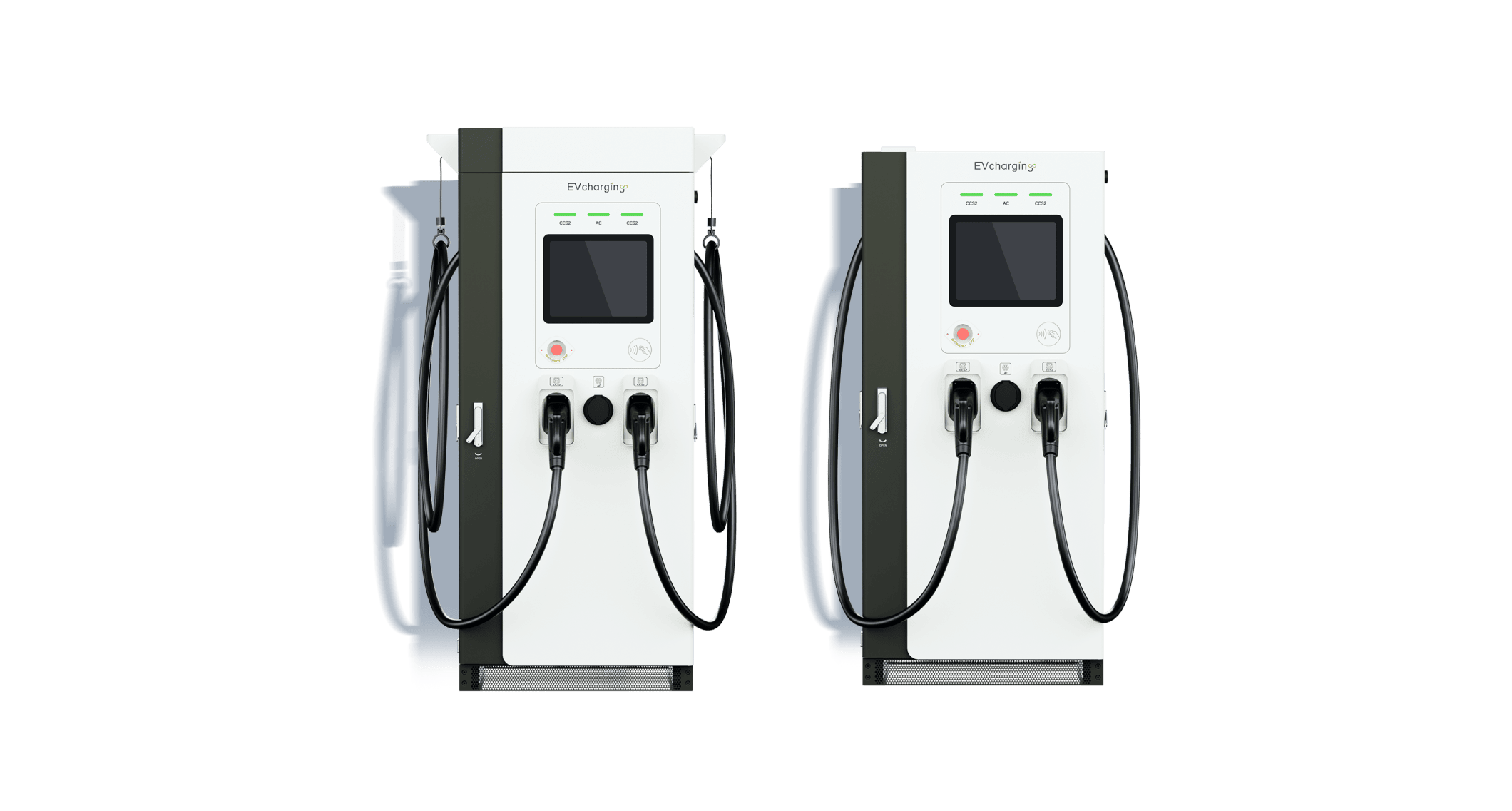
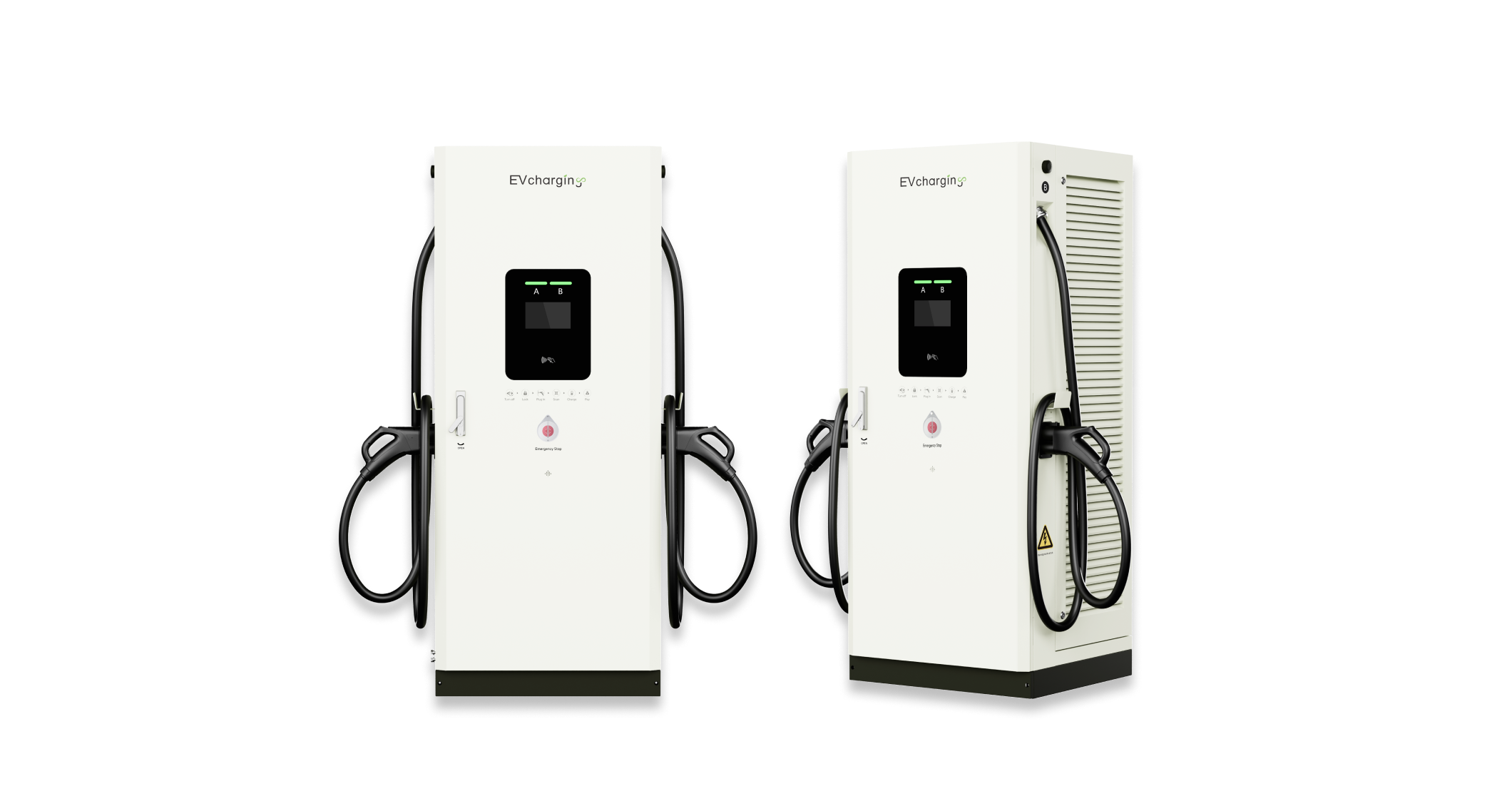
Construction Plan: Split-Type DC Charging Pile
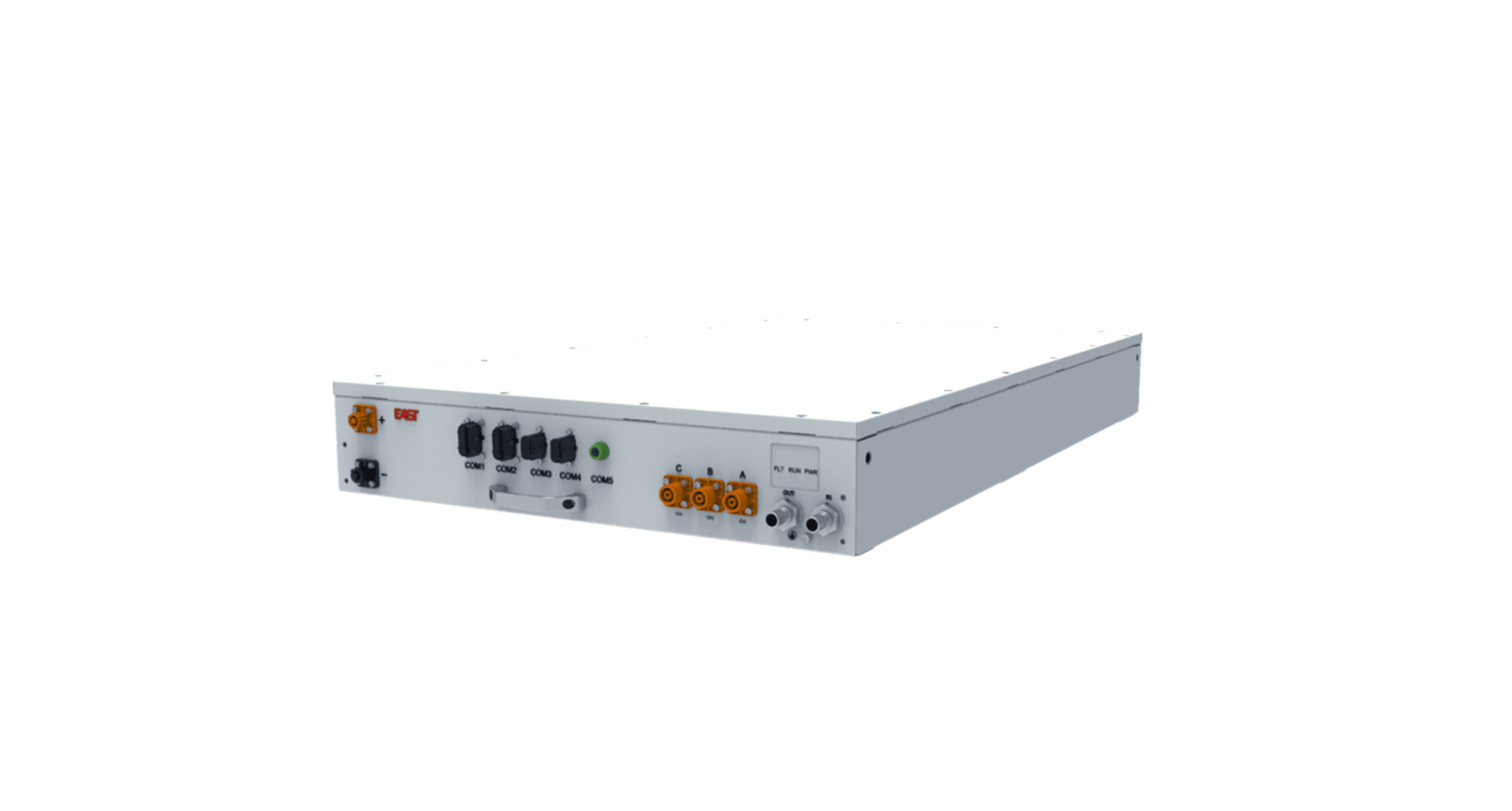
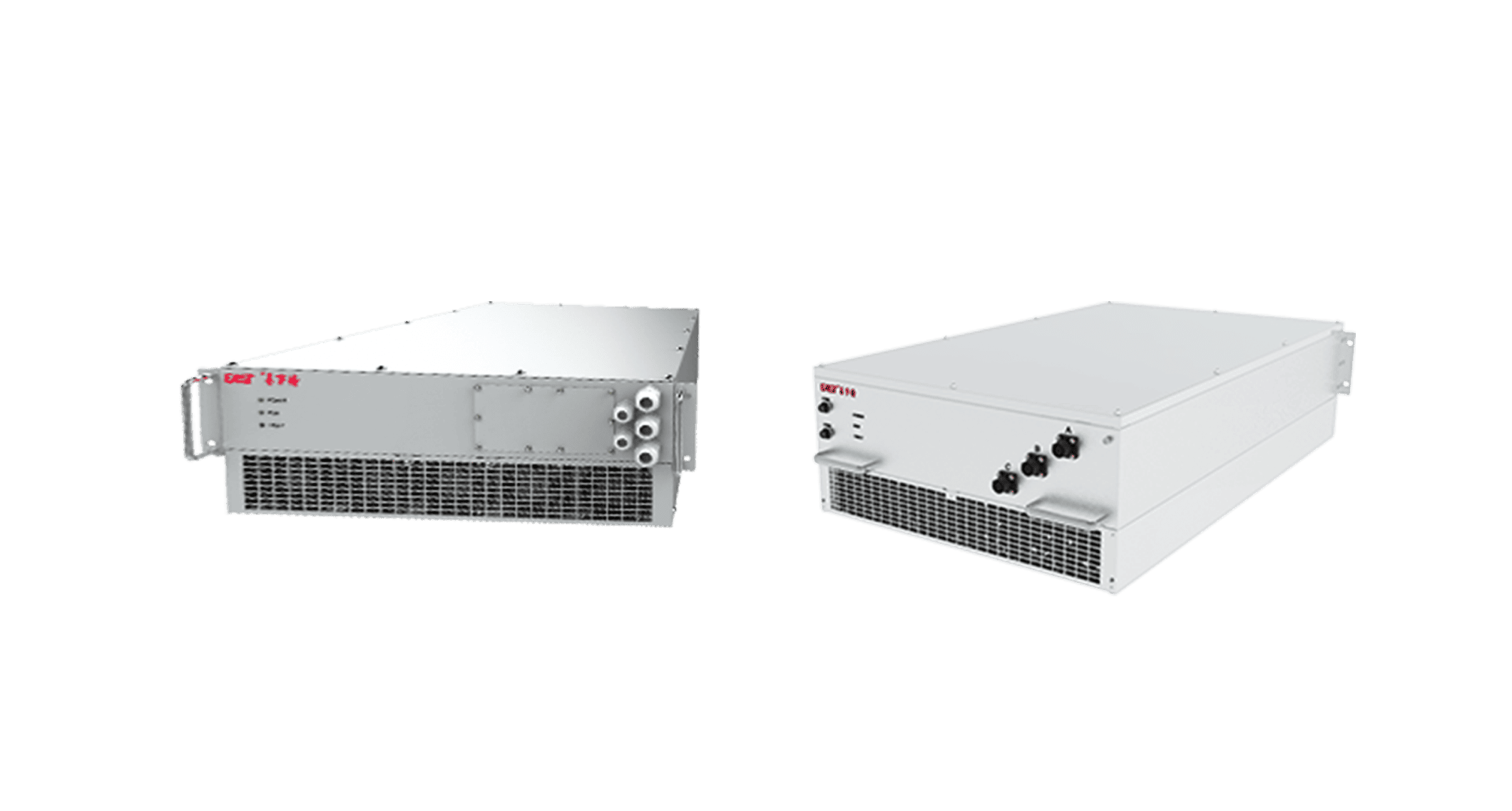
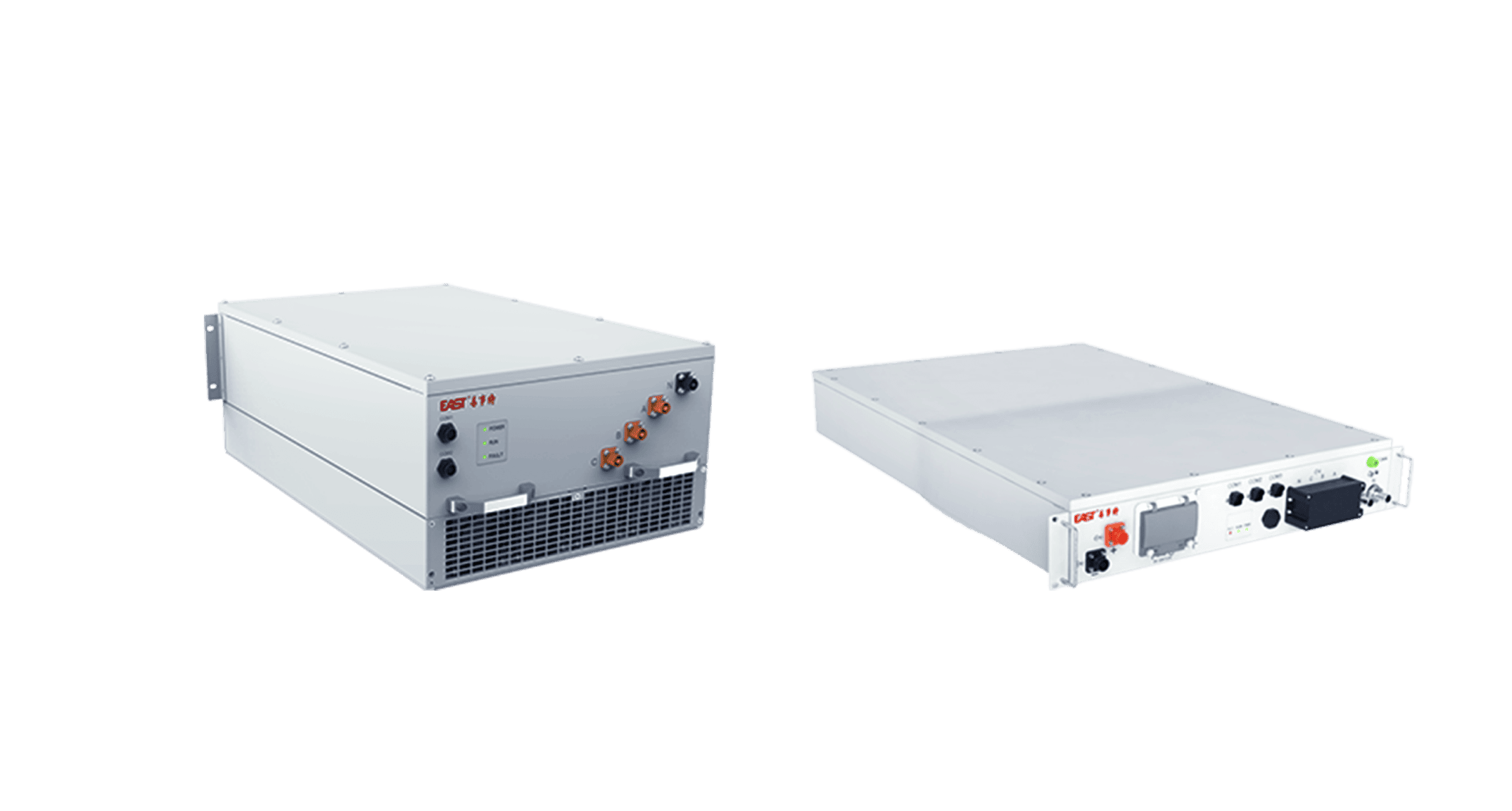
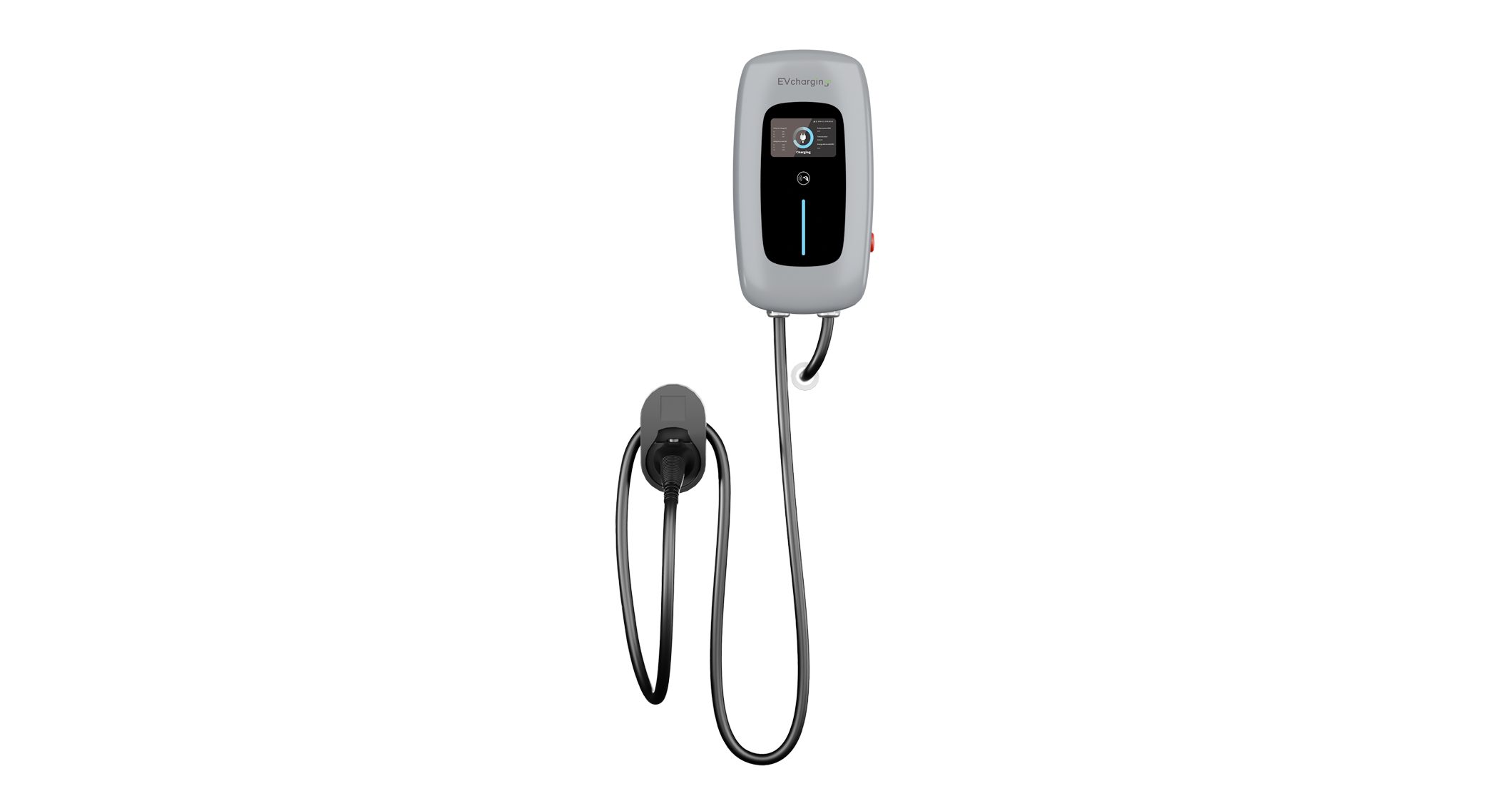
Configuration Information: The 800kW split-type DC charging pile project serves diverse vehicle types including tourist vehicles and operational fleets, with charging demand exhibiting significant fluctuations.
This necessitates a system capable of withstanding peak power surges while maintaining high operational efficiency during non-peak load conditions.
The high-altitude environment further amplifies these requirements.
A true test for the charging system
At high altitudes, charging equipment faces multiple challenges rather than a single issue.
First is the change in thermal conditions.
Reduced air density places higher demands on thermal management capabilities for power devices and modules.
Second is the impact of temperature fluctuations on operational stability.
Frequent diurnal temperature fluctuations necessitate greater system adaptability,
otherwise performance degradation and potential failures may occur.
Third, extended maintenance radius.
On-site troubleshooting becomes costly when issues arise, demanding systems that “fail less often and enable easier diagnostics.”
These factors dictate that projects are unsuitable for “parameter-based selection,” instead requiring a screening process focused on system-level capabilities。
EAST absorbs uncertainties within its system.
Safety and Monitoring: Containing Risks Within the System
The Yisite charging system incorporates 54 built-in safety protection mechanisms and over 100 dynamic monitoring points, enabling real-time sensing and coordinated control of power, thermal regulation, and operational status.
In high-altitude environments, this capability for “early detection and proactive intervention” proves more valuable than reactive troubleshooting.
Power Flexibility: Adapting to Fluctuations, Not Overriding Them
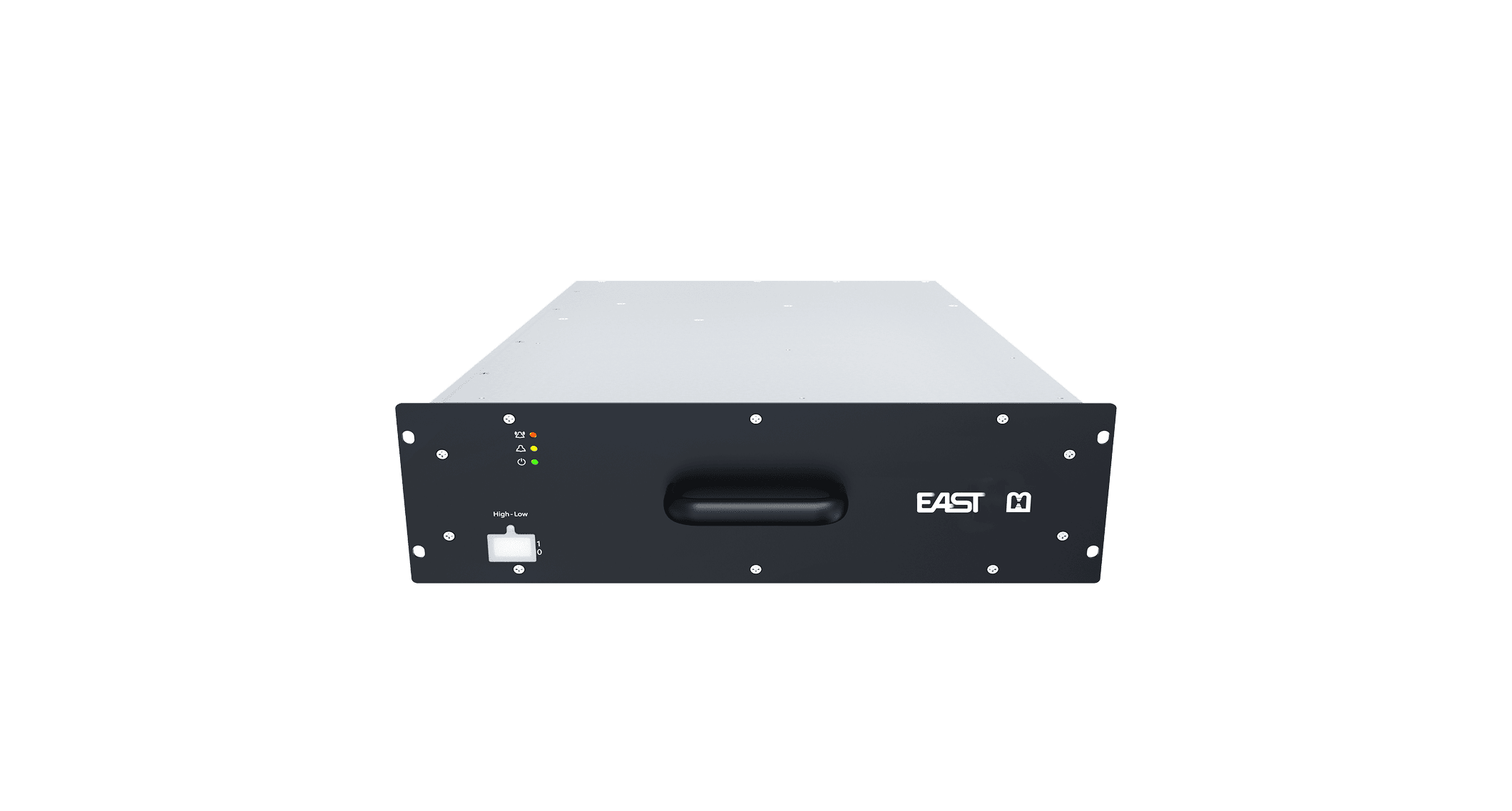
The project employs a flexible power matrix with centralized module management, enabling dynamic power allocation across multiple chargers.
When multiple vehicles connect simultaneously, the system automatically balances demand to prevent single-point overload and enhance overall resource efficiency.
This design accommodates load fluctuations in tourist scenarios while reducing equipment stress in high-altitude environments.
Wide Voltage & High Power: Future-Proofing for Scalability
The system supports an ultra-wide voltage range of 200–1000V, covering mainstream passenger and commercial vehicle models.
On the power side, a single system delivers 600–960kW output, enabling multi-charger sharing and scalable up to 2000A megawatt-level ultra-fast charging capacity.
This not only meets current demands but also reserves capacity for future vehicle upgrades and charging standard evolution.
Operations Design: Reducing On-Site Visits
In plateau regions, operational challenges often stem not from technology but from distance.
The system supports BMS message logging, remote diagnostics, and OTA upgrades, enabling issue identification and resolution from the backend.
Combined with automotive-grade manufacturing processes that minimize failure rates, this delivers tangible value for such projects.
Why Is EAST the Realistic Choice for Project Developers?
Overall, project owners prioritize not just “single-run performance metrics,” but rather the system's long-term stability and controllability in high-altitude environments.
As a long-standing leader consistently ranked among the “Global Top 500 New Energy Companies,” Yisite's proven delivery capabilities and nationwide after-sales network provide predictable operational assurance for the project.
In high-altitude scenarios, this “certainty” often outweighs any individual technical specification.
The plateau project tests fundamental skills.
In flatland regions, charging stations compete on speed and scale; in plateau areas, the focus shifts to system robustness.
The Qinghai Shenna Ruins Park charging station project never pursued “fastest speed.” Instead, it served as a field test centered on stability, adaptability, and long-term value.
Leveraging 37 years of power electronics expertise, Yisite delivers end-to-end photovoltaic storage and charging capabilities. This comprehensive technology not only meets the stringent demands of complex environmental conditions but also addresses the heritage park's unique requirements for minimal interference and high reliability. Through robust system design and stable performance, Yisite provides a replicable benchmark solution for plateau cultural tourism scenarios.
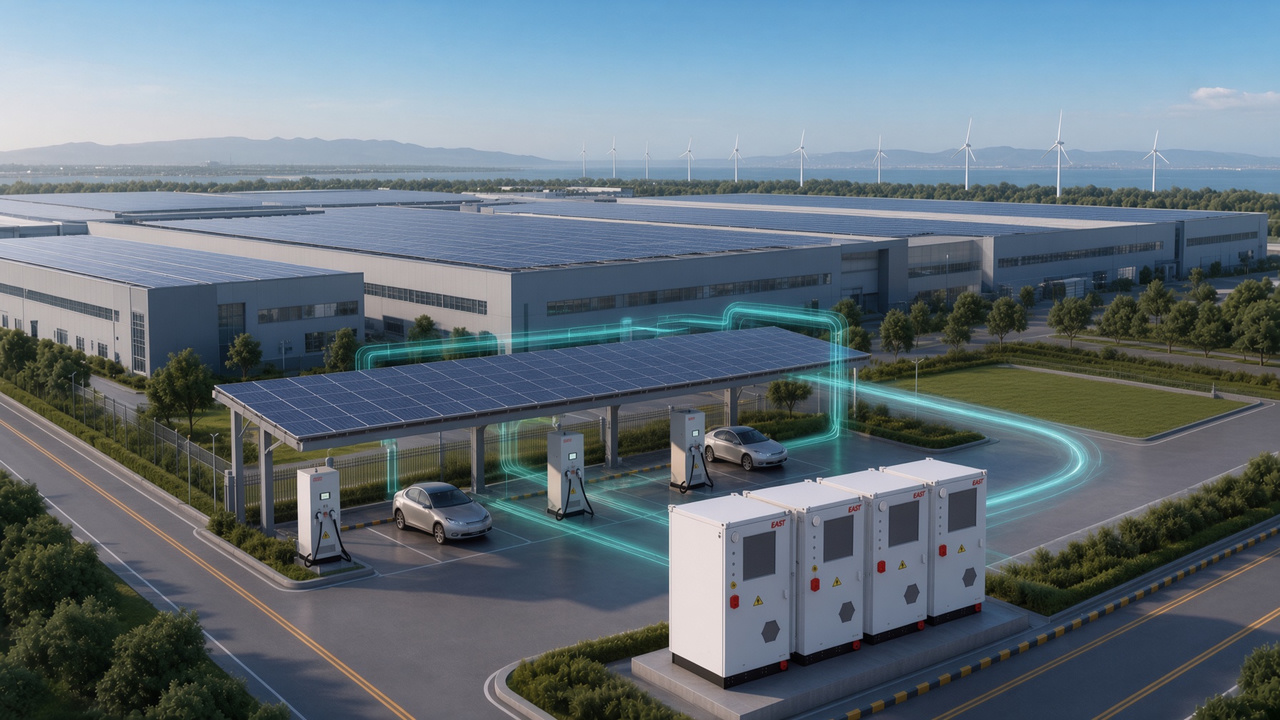
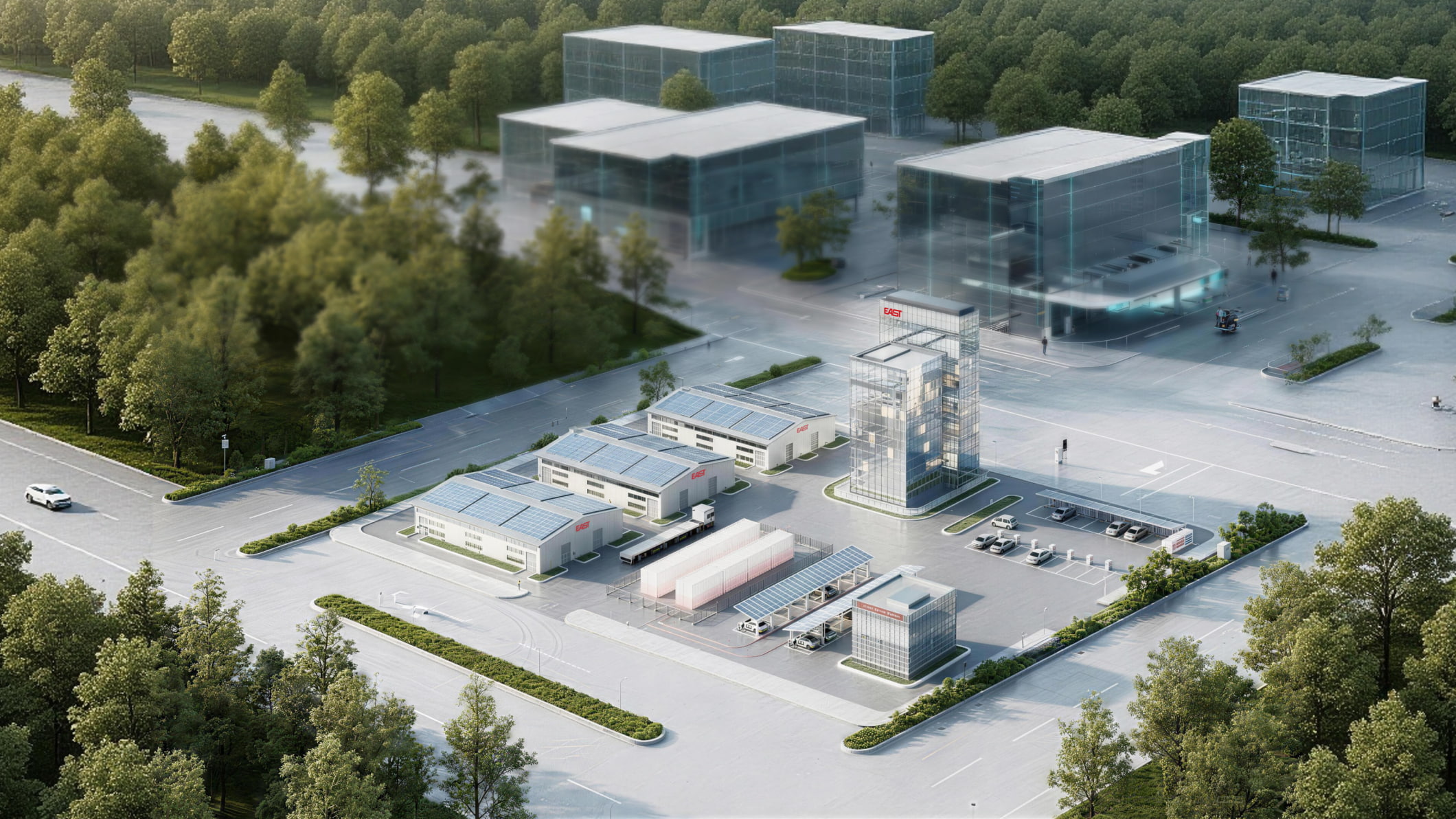
This systematic capability, proven in extreme scenarios, is not an isolated case but has been extensively validated across broader integrated energy applications. In Yining, Xinjiang, Yisite played a pivotal role in constructing the city's multi-billion-yuan integrated photovoltaic storage, charging, and battery swapping demonstration station, providing core energy storage support for 10 demonstration stations and over 1,000 charging bays.
Its integrated energy storage units not only shoulder the critical task of storing green electricity but also ensure uninterrupted charging services through stable output, becoming an indispensable pillar in the local green energy network.
From heritage parks in remote plateau landscapes to integrated energy hubs in urban cores; from precise adaptation to single scenarios to comprehensive energy network deployment across entire regions—Yisite consistently applies systematic thinking and reliable technology to infuse every land with enduring, green energy power. Across diverse scenarios, it continually demonstrates the formidable strength of Chinese smart manufacturing.
The construction of the charging station at Qinghai's Shenna Heritage Park was never a conventional project from the outset.
Located at high altitude with extreme diurnal temperature fluctuations and thin air, this site is also a public space highly sensitive to environmental disturbances.
Once installed, the charging infrastructure must operate continuously without room for frequent shutdowns or repeated debugging.
Under these conditions, the fundamental challenge facing the project was whether the system could function sustainably and reliably in the plateau environment
A construction challenge amplified by environmental factors
Project Name: Qinghai Shenna Site Park Charging Station Project
Construction Plan: Split-Type DC Charging Pile
Configuration Information: The 800kW split-type DC charging pile project serves diverse vehicle types including tourist vehicles and operational fleets, with charging demand exhibiting significant fluctuations.
This necessitates a system capable of withstanding peak power surges while maintaining high operational efficiency during non-peak load conditions.
The high-altitude environment further amplifies these requirements.
A true test for the charging system
At high altitudes, charging equipment faces multiple challenges rather than a single issue.
First is the change in thermal conditions.
Reduced air density places higher demands on thermal management capabilities for power devices and modules.
Second is the impact of temperature fluctuations on operational stability.
Frequent diurnal temperature fluctuations necessitate greater system adaptability,
otherwise performance degradation and potential failures may occur.
Third, extended maintenance radius.
On-site troubleshooting becomes costly when issues arise, demanding systems that “fail less often and enable easier diagnostics.”
These factors dictate that projects should not rely on “parameter-based selection,” but rather undergo a comprehensive screening of system-level capabilities
EAST absorbs uncertainties within its own system.
Safety and Monitoring: Containing Risks Within the System
The Yisite charging system incorporates 54 built-in safety protection mechanisms and over 100 dynamic monitoring points, enabling real-time sensing and coordinated control of power, thermal regulation, and operational status.
In high-altitude environments, this capability for “early detection and proactive intervention” proves more valuable than reactive troubleshooting.
Power Flexibility: Adapting to Fluctuations, Not Overriding Them
The project employs a flexible power matrix with centralized module management, enabling dynamic power allocation across multiple chargers.
When multiple vehicles connect simultaneously, the system automatically balances demand to prevent single-point overload and enhance overall resource efficiency.
This design accommodates load fluctuations in tourist scenarios while reducing equipment stress in high-altitude environments.
Wide Voltage & High Power: Future-Proofing for Scalability
The system supports an ultra-wide voltage range of 200–1000V, covering mainstream passenger and commercial vehicle models.
On the power side, a single system delivers 600–960kW output, enabling multi-charger sharing and scalable up to 2000A megawatt-level ultra-fast charging capacity.
This not only meets current demands but also reserves capacity for future vehicle upgrades and charging standard evolution.
Operations Design: Reducing On-Site Visits In plateau regions, the challenge of operations often lies not in technology, but in distance.
The Yisite system supports BMS message logging, remote diagnostics, and OTA upgrades, enabling issues to be identified and resolved remotely.
Combined with automotive-grade manufacturing processes that reduce failure rates, this delivers tangible value for such projects
Why Is EAST the Realistic Choice for Project Developers?
Overall, project owners prioritize not just “single-run performance metrics,” but rather the system's long-term stability and controllability in high-altitude environments.
As a long-standing leader consistently ranked among the “Global Top 500 New Energy Companies,” Yisite's proven delivery capabilities and nationwide after-sales network provide predictable operational assurance for the project.
In high-altitude scenarios, this “certainty” often proves more critical than any individual technical specification.
The plateau project tests fundamental skills.
In flatland regions, charging stations compete on speed and scale; in plateau areas, the focus shifts to system robustness.
The Qinghai Shenna Ruins Park charging station project never pursued “fastest speed.” Instead, it served as a field test centered on stability, adaptability, and long-term value.
Leveraging 37 years of power electronics expertise, Yisite delivers end-to-end photovoltaic storage and charging capabilities. This comprehensive technology not only meets the stringent demands of complex environmental conditions but also addresses the heritage park's unique requirements for minimal interference and high reliability. Through robust system design and stable performance, Yisite provides a replicable benchmark solution for plateau cultural tourism scenarios.
This systematic capability, proven in extreme scenarios, is not an isolated case but has been extensively validated across broader integrated energy applications. In Yining, Xinjiang, Yisite played a pivotal role in constructing the city's multi-billion-yuan integrated photovoltaic storage, charging, and battery swapping demonstration station, providing core energy storage support for 10 demonstration stations and over 1,000 charging bays.
Its integrated energy storage units not only shoulder the critical task of storing green electricity but also ensure uninterrupted charging services through stable output, becoming an indispensable pillar in the local green energy network.
From heritage parks in remote plateau landscapes to integrated energy hubs in urban cores; from precise adaptation to single scenarios to comprehensive energy network deployment across entire regions—Yisite consistently applies systematic thinking and reliable technology to infuse every land with enduring, green energy power. Across diverse applications, it continually demonstrates the formidable strength of Chinese smart manufacturing.