












AI is pushing data center power demand to grid scale. Gartner expects global data center electricity use to reach 565TWh in 2026 (+26% YoY) and exceed 1,200TWh by 2030; IEA puts 2025 use at about 485TWh, with AI-specific facilities growing far faster.
The challenge is not just volume but volatility: loads can swing from tens of kW to MW per rack, grid expansion lags 2–3-year build cycles, peak demand raises capacity charges, and millisecond sags can disrupt AI training. Data centers need flexible, proactive power regulation—storage is moving from optional to essential.
Policy support: China’s 2026 action plan encourages grid-forming storage at computing facilities, and GB/Z 273.1—2026 provides storage selection guidance.
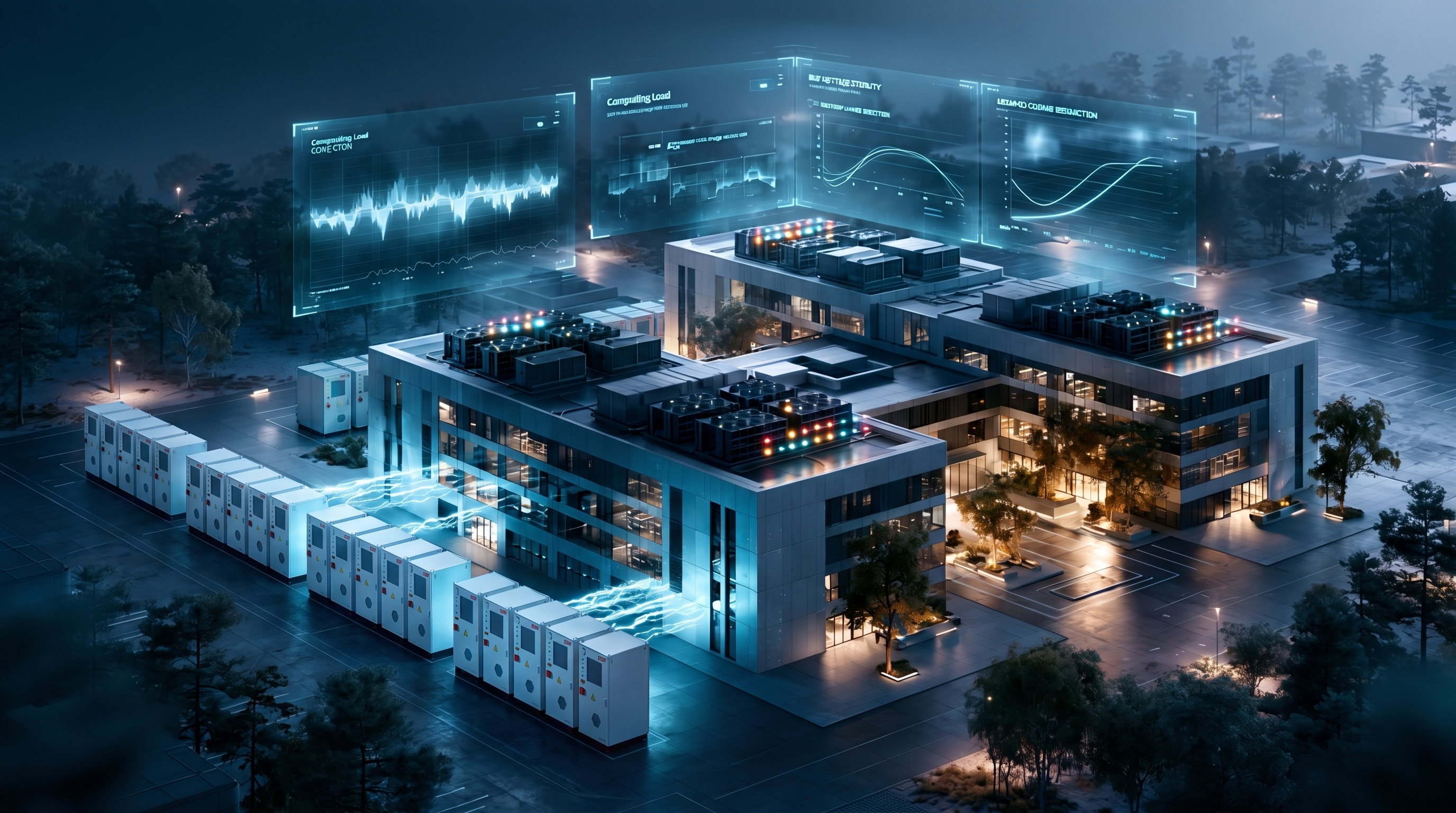
Three value layers
Reliability: Fast response to grid fluctuations and outages; backup capacity for critical compute; grid-forming support in weak-grid or islanded scenarios.
Cost savings: Charge at low prices, discharge at peaks; cut peak demand and capacity charges.
Green power: Buffer variable wind and PV, raise renewable share, support zero-carbon computing.
EAST’s approach: full-stack integration
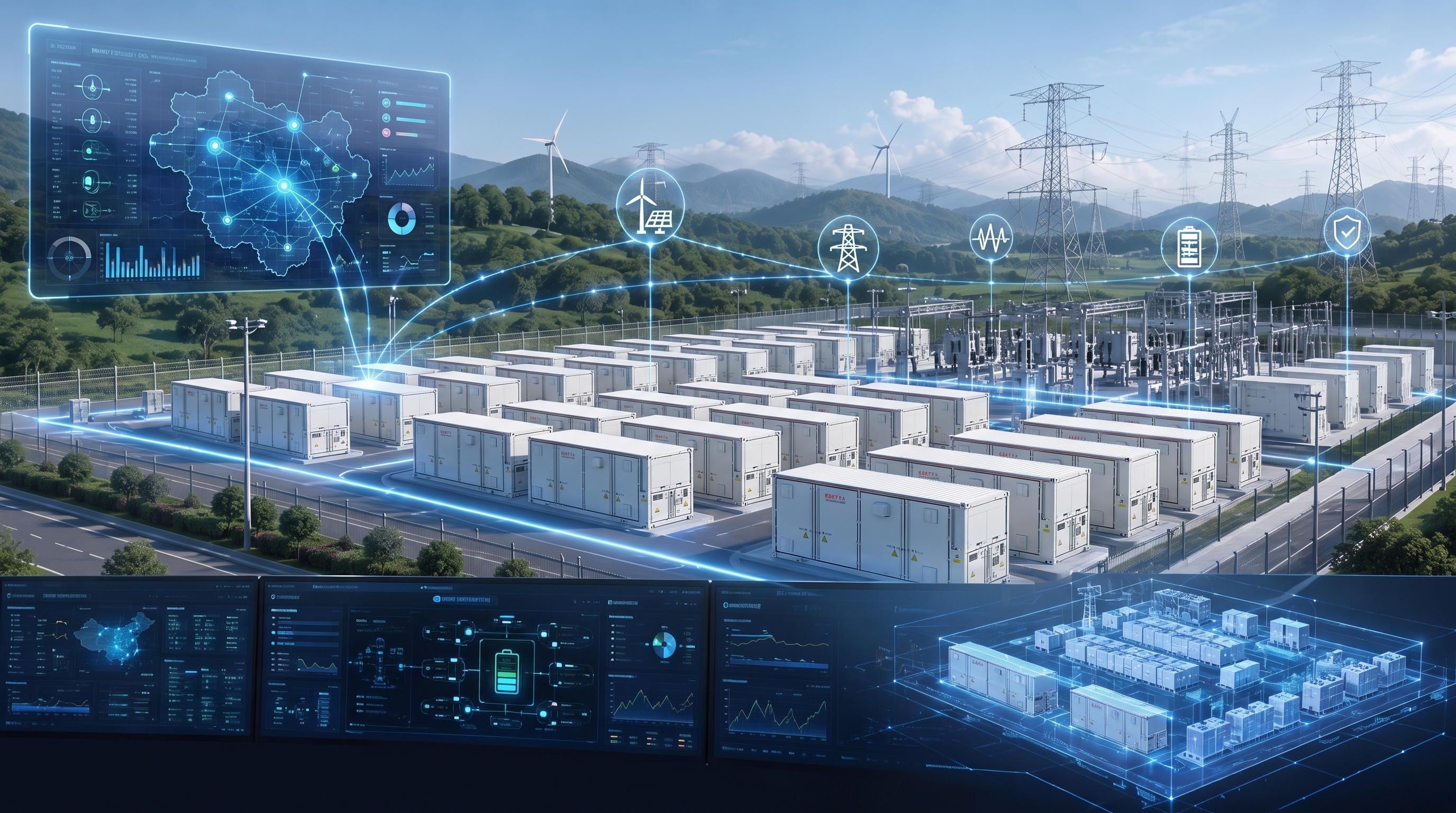
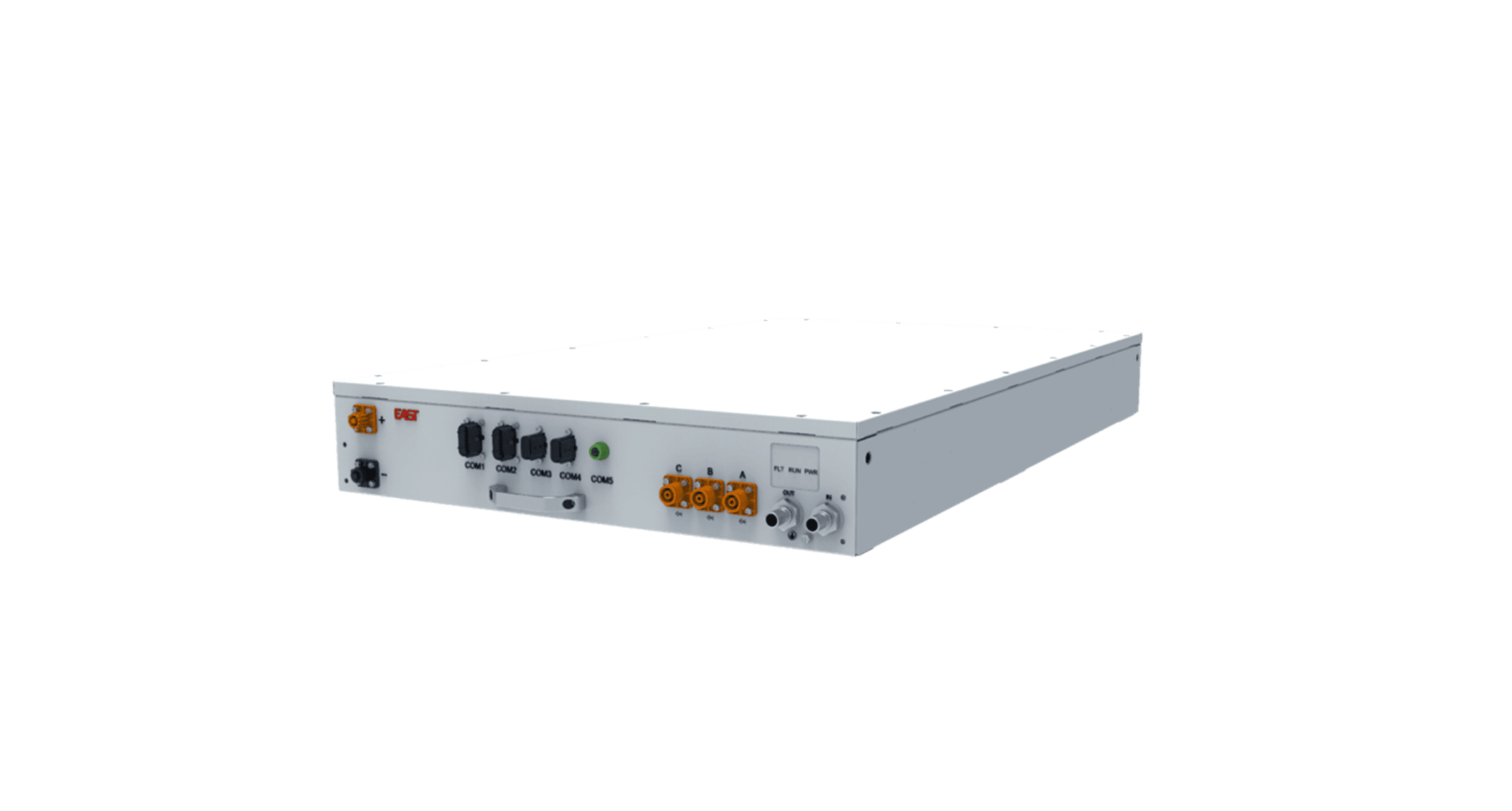
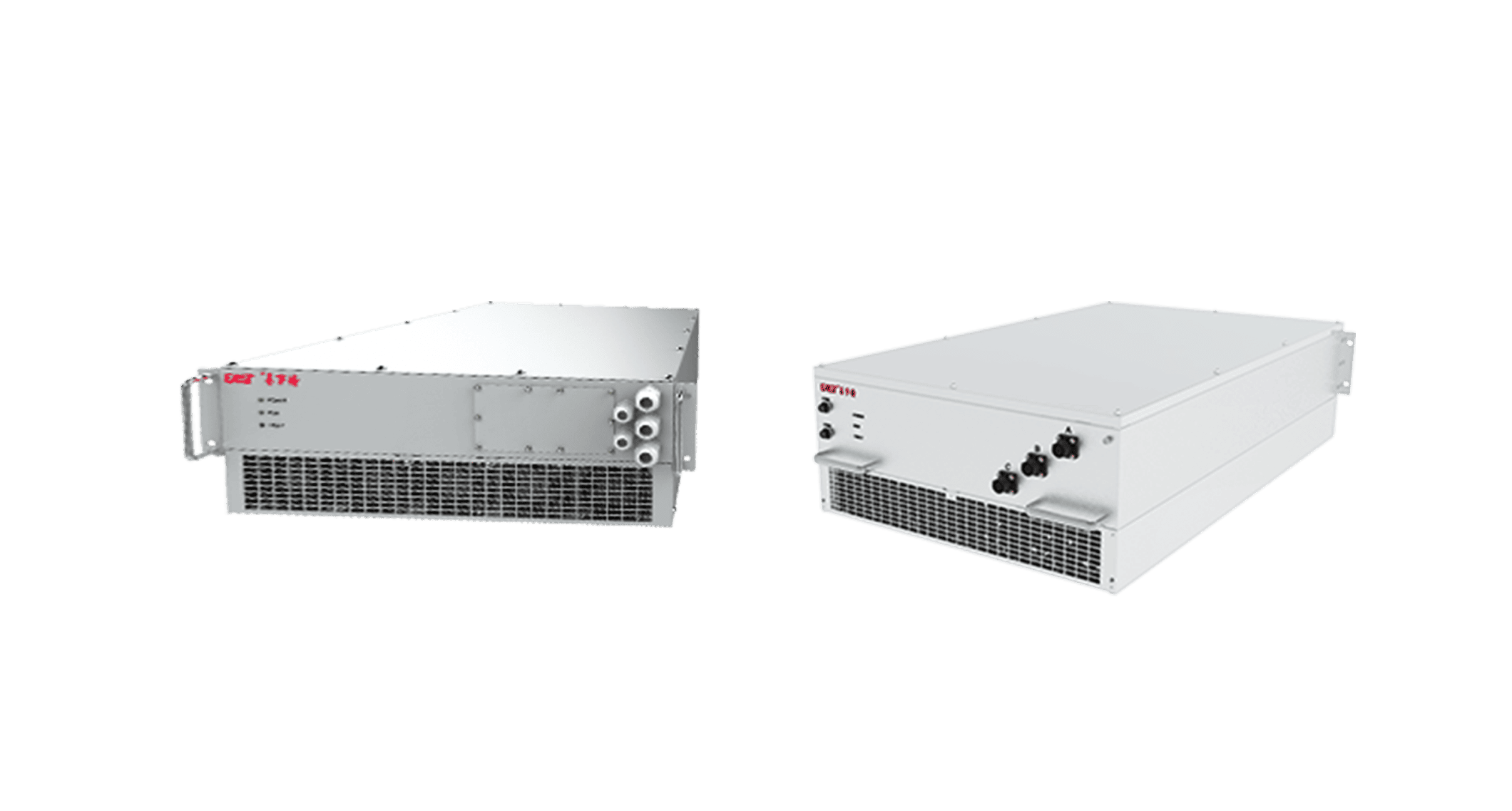
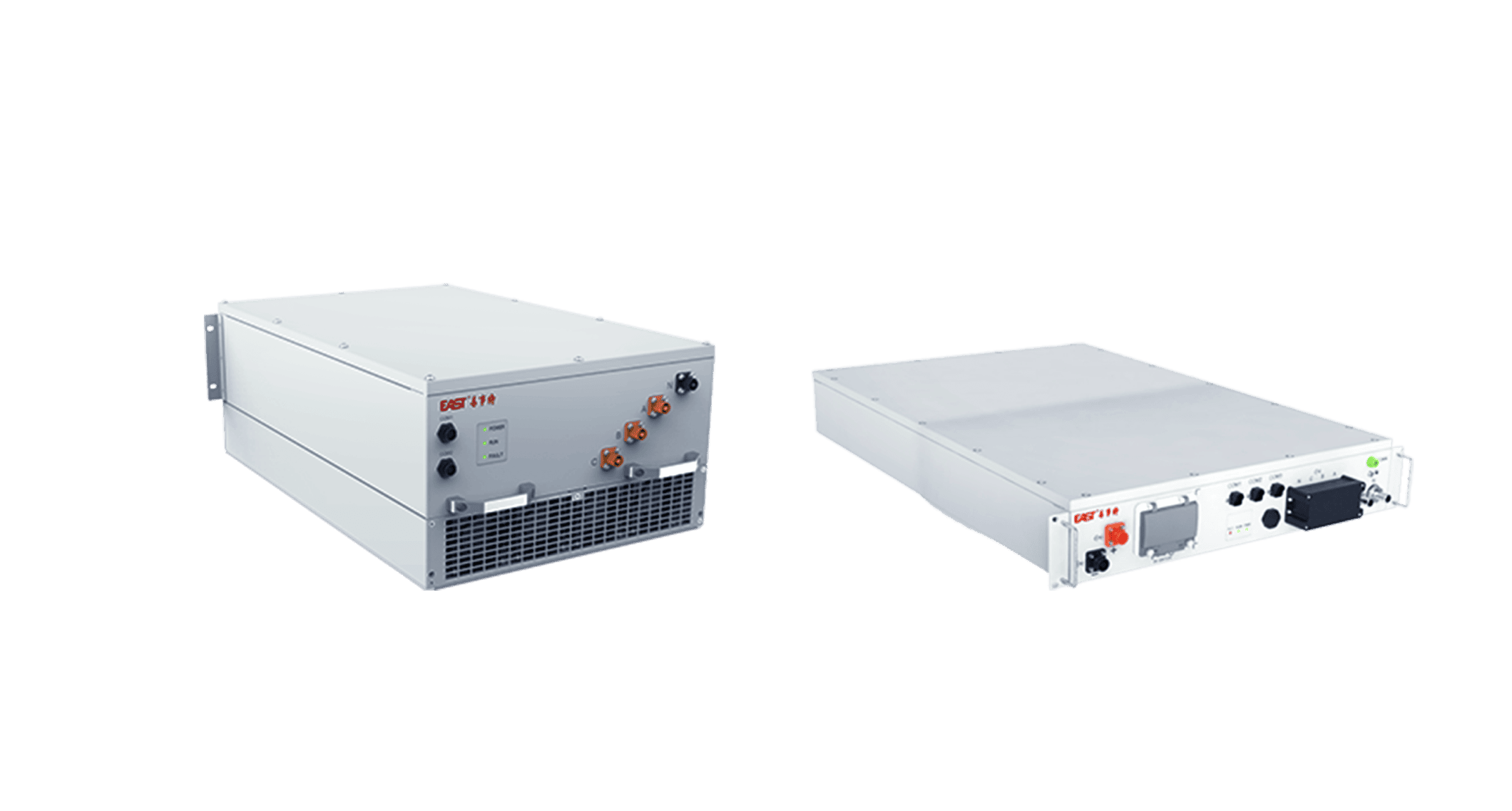
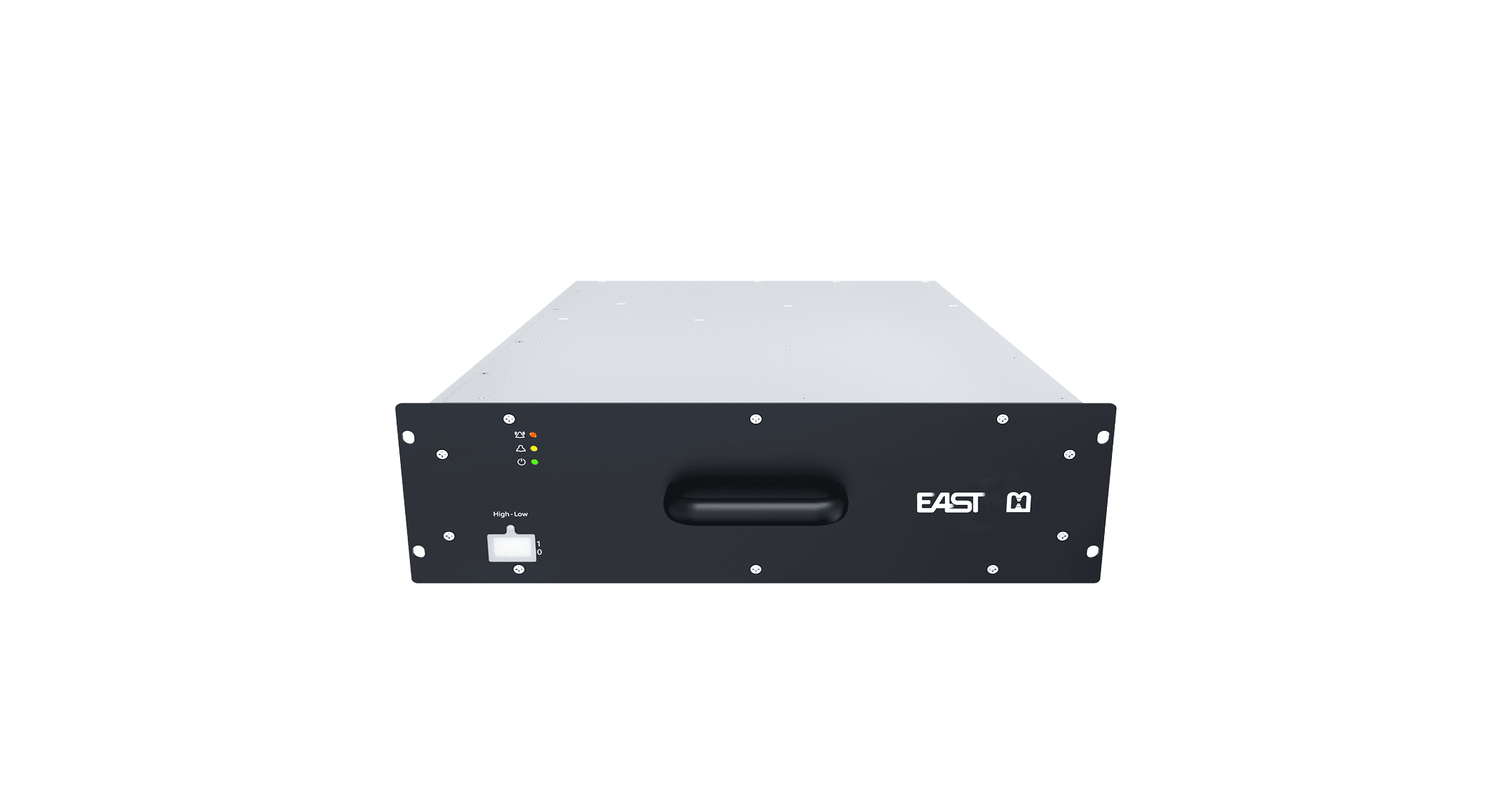
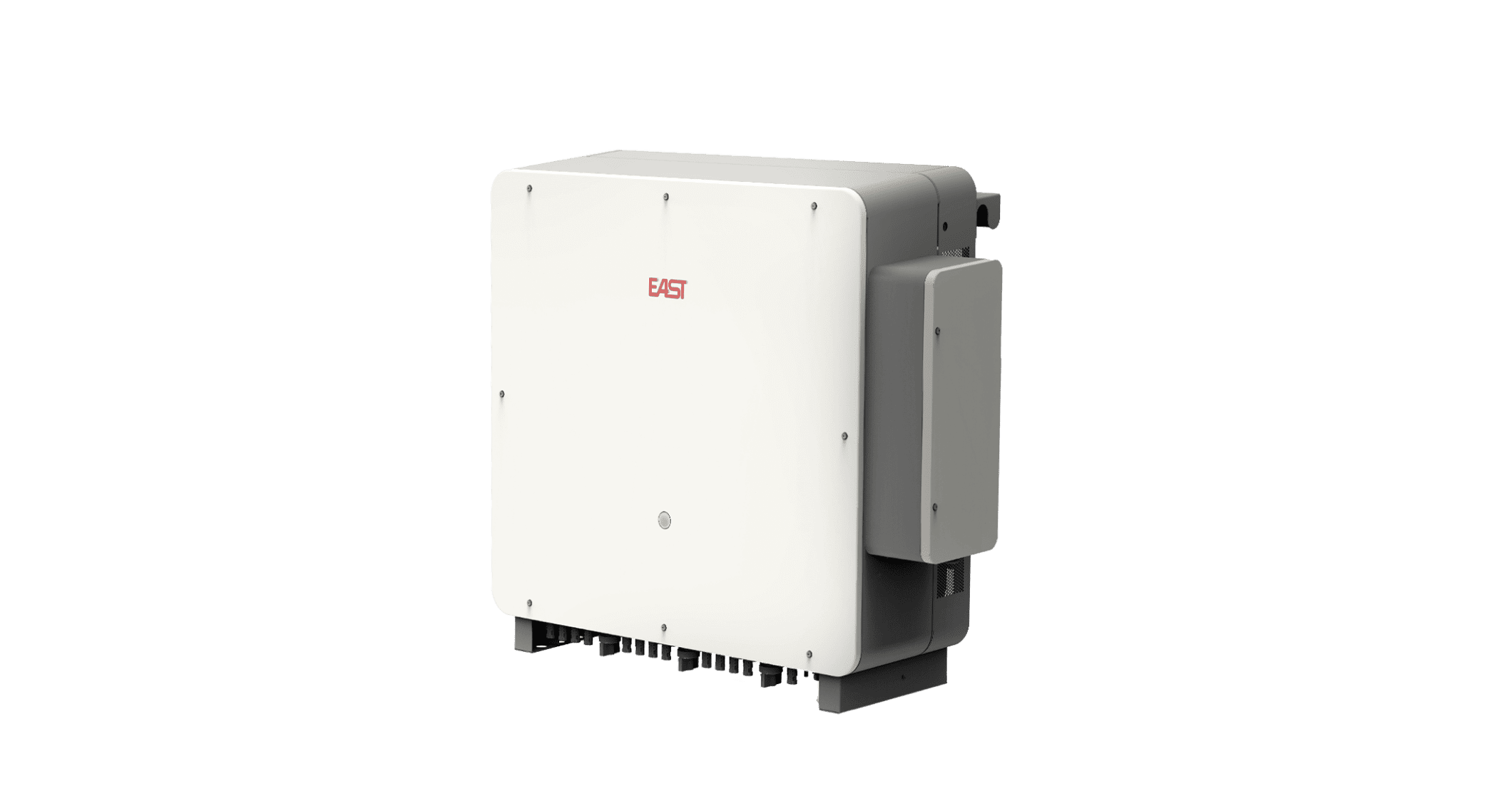
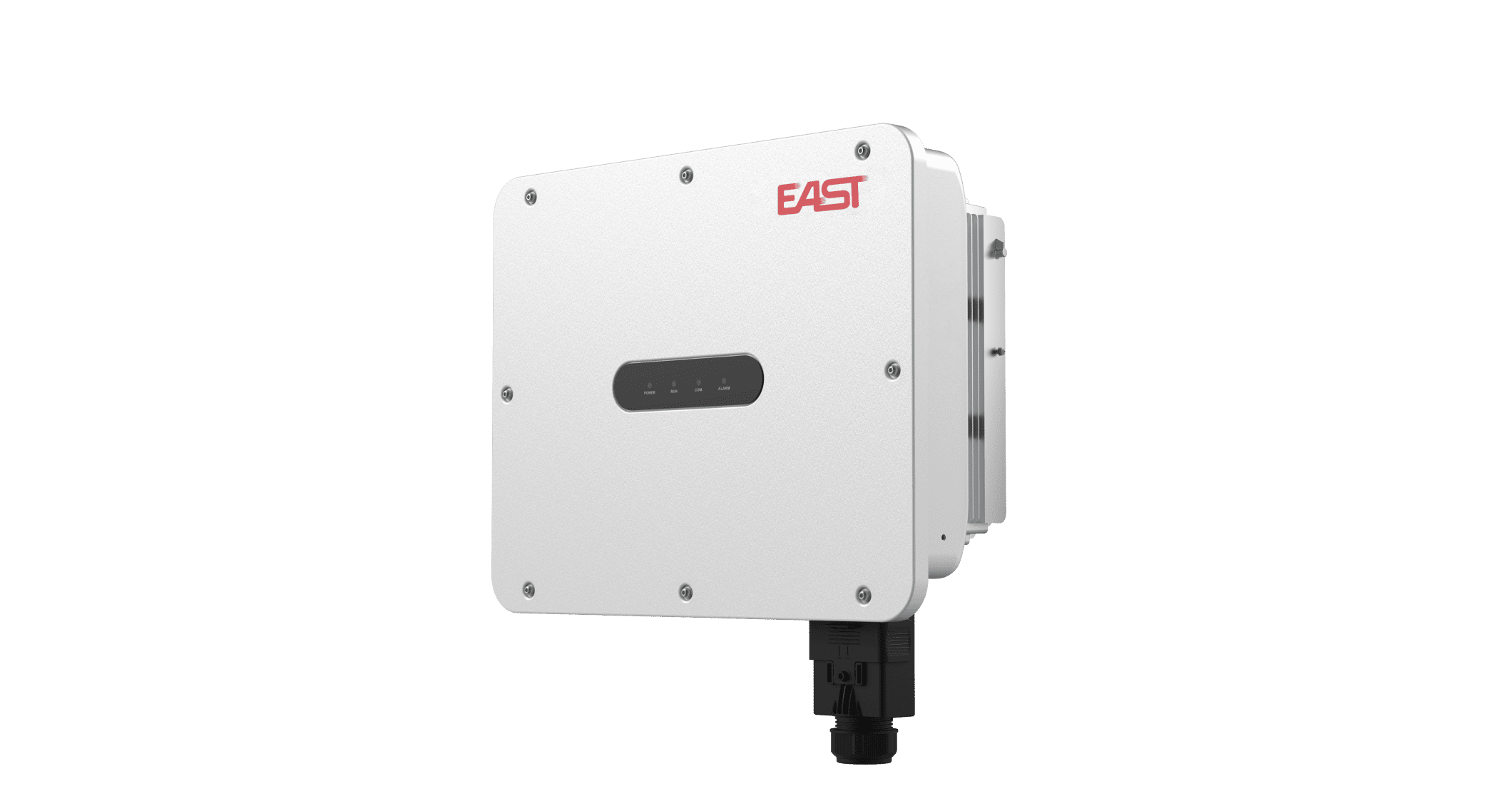
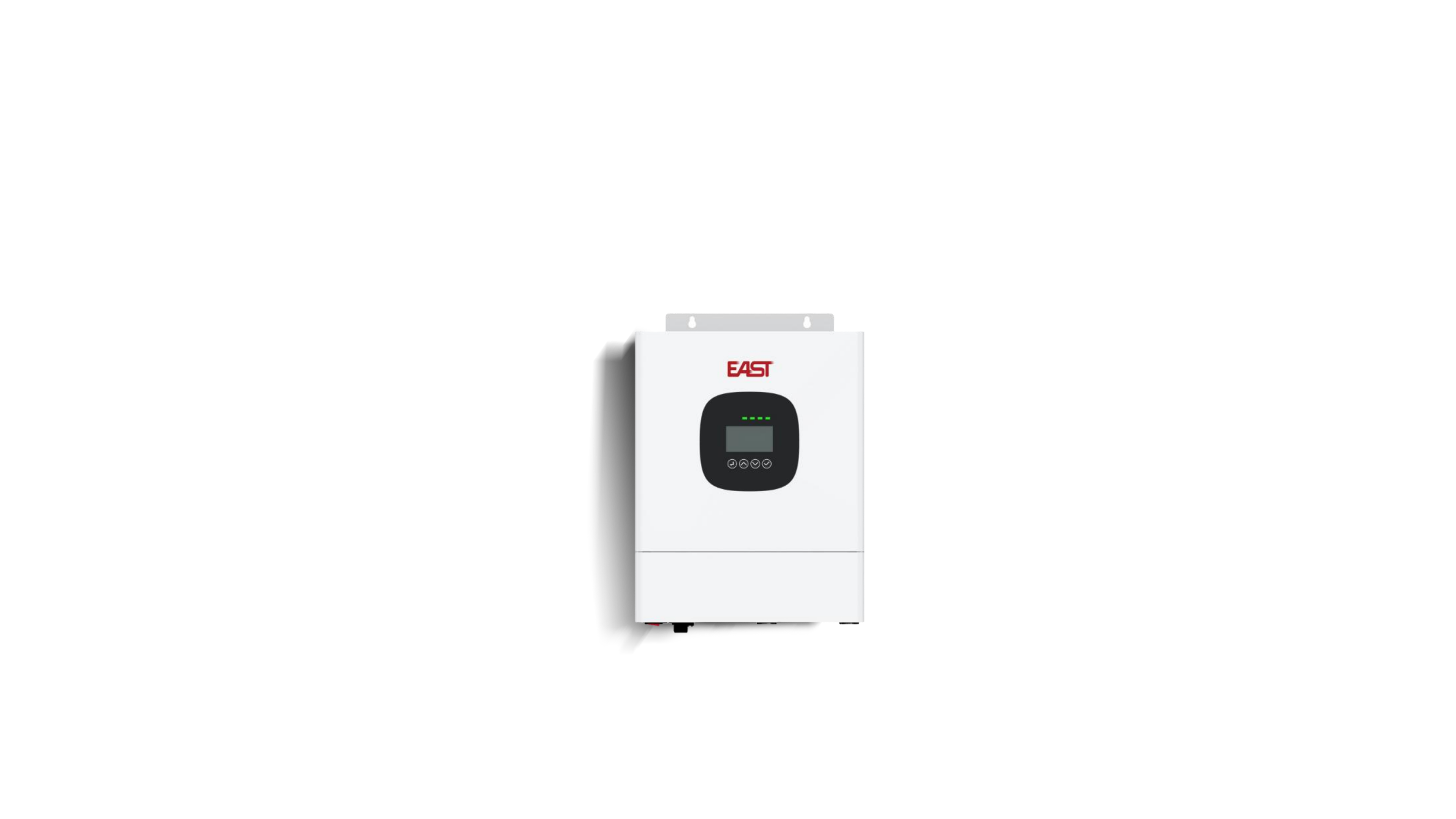
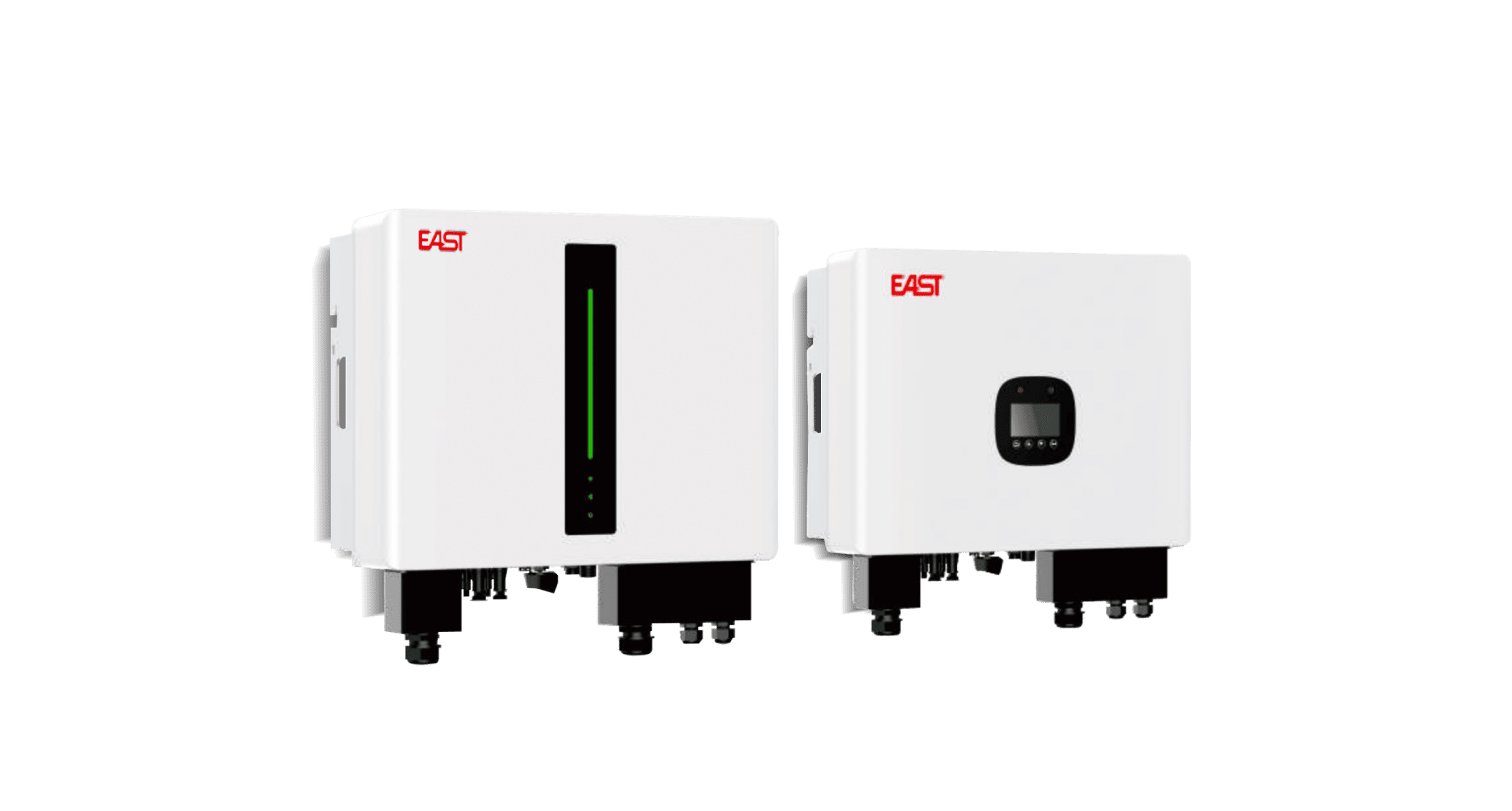
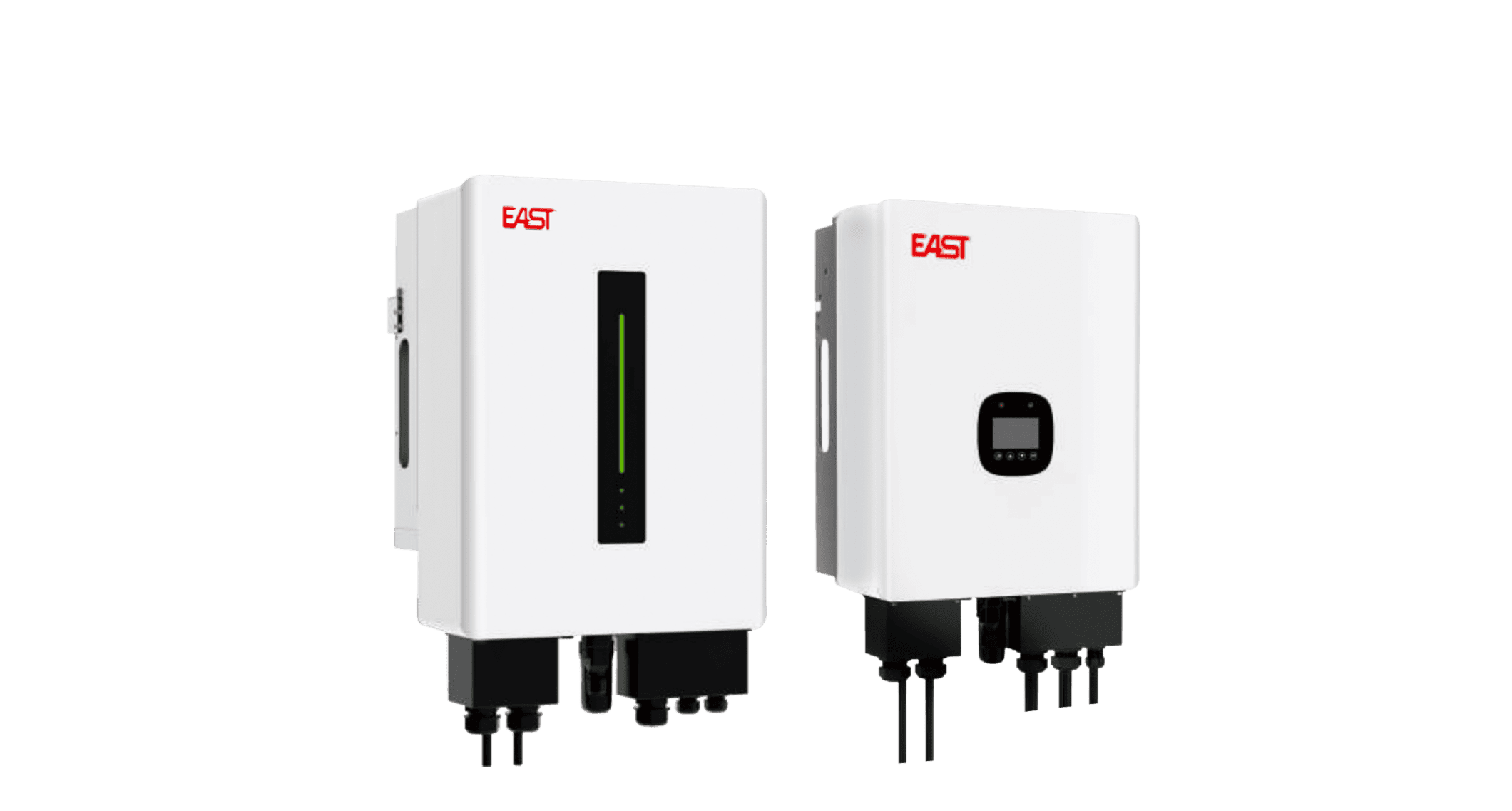
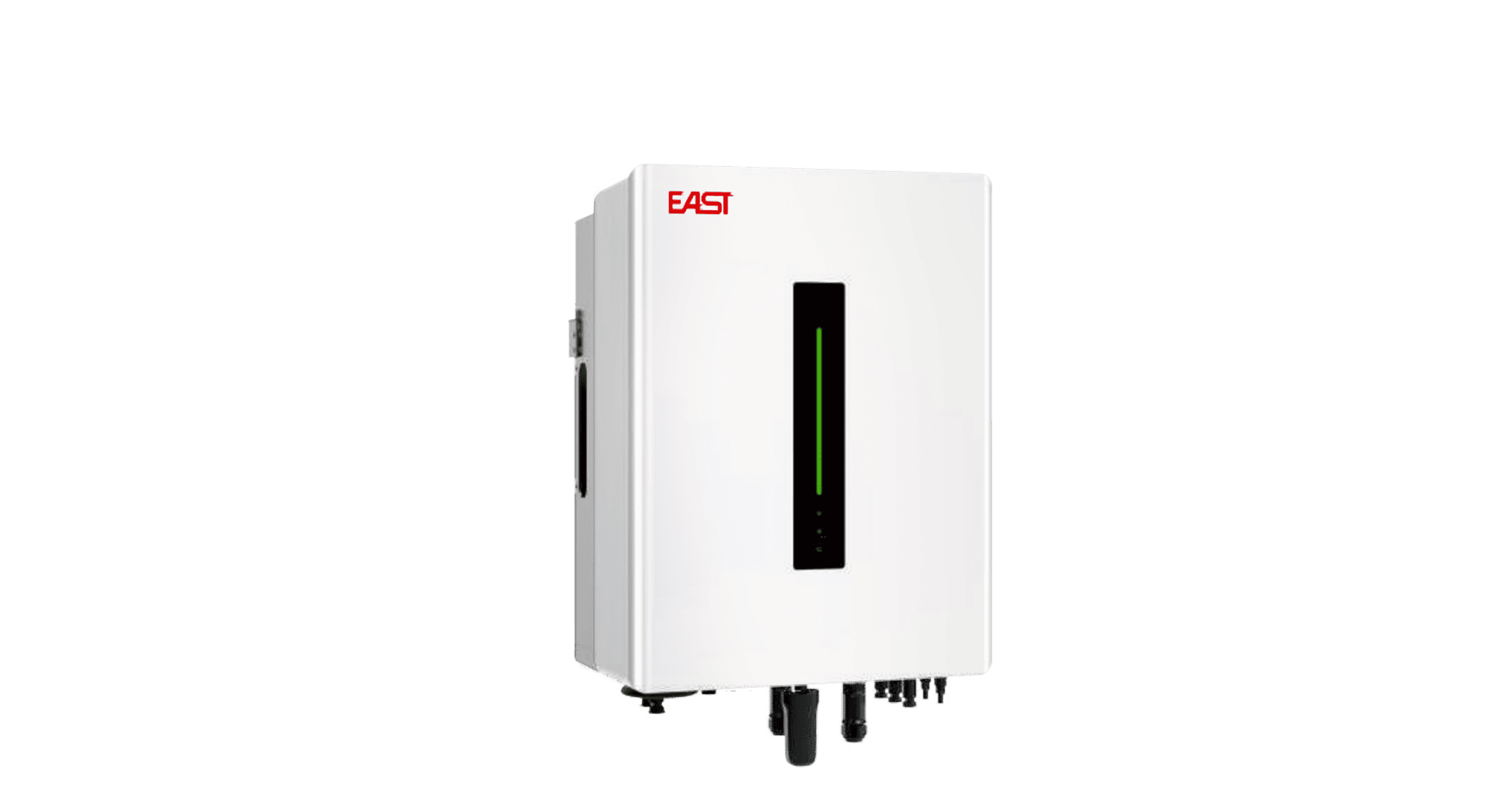
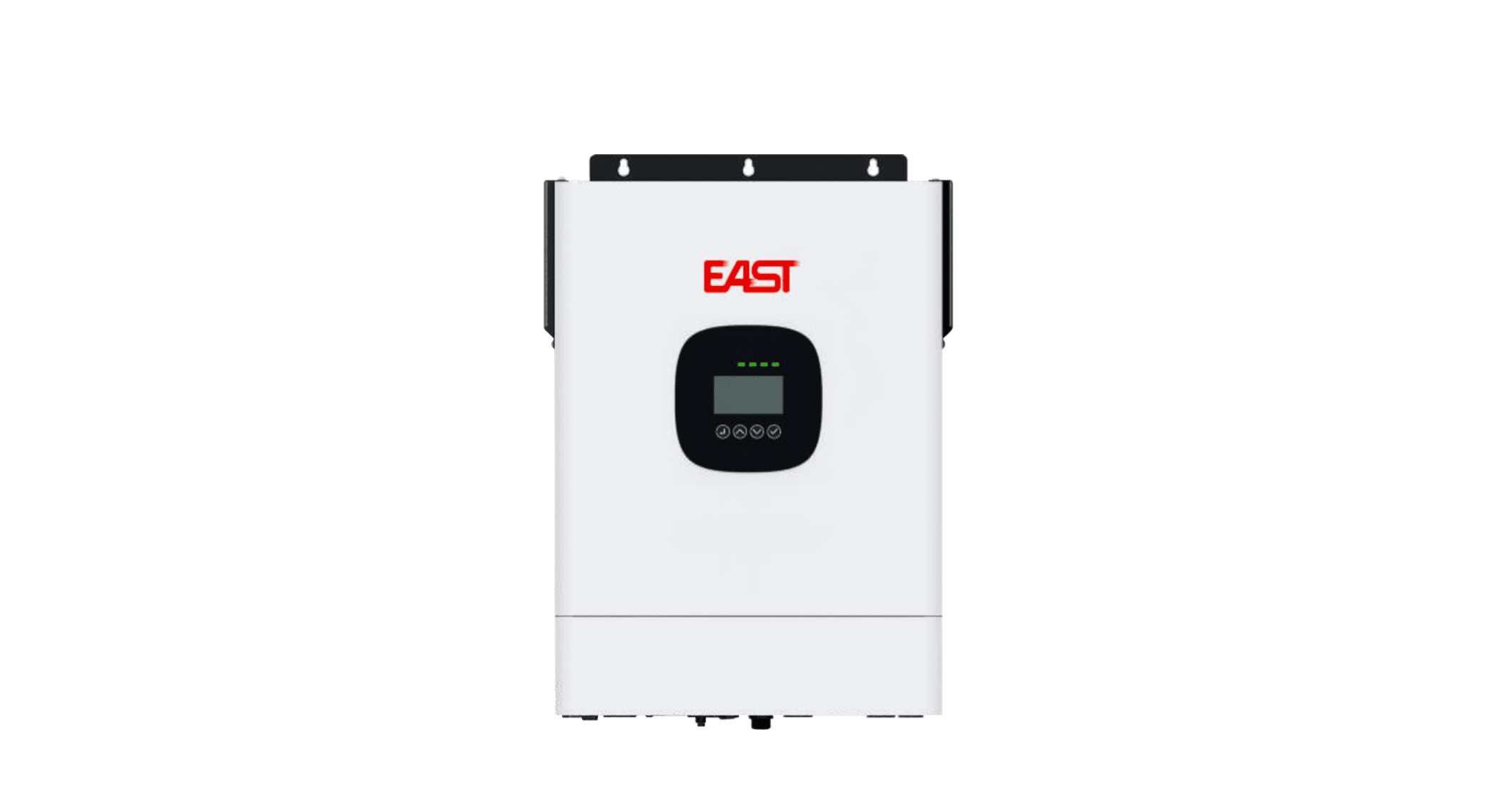
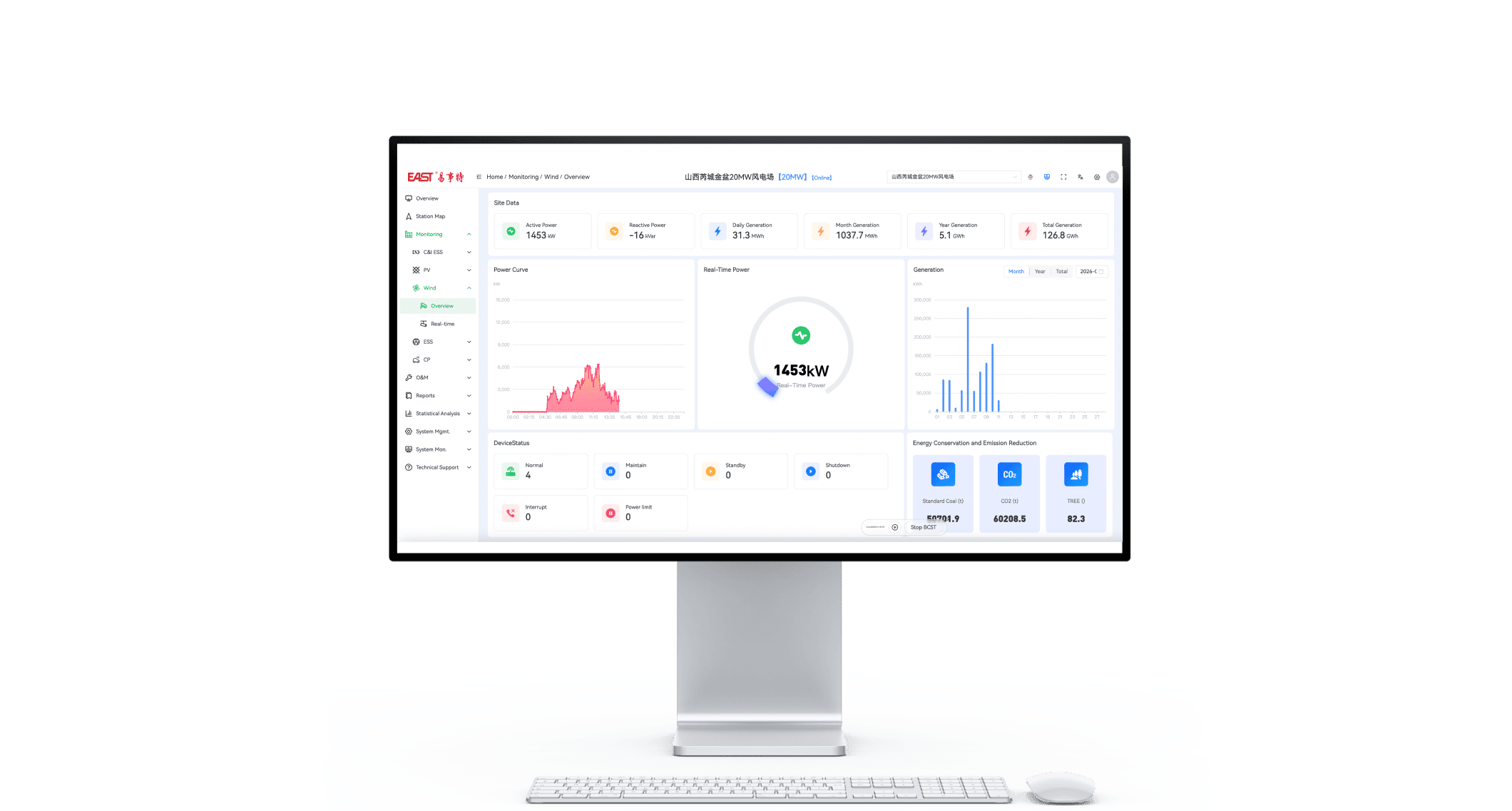
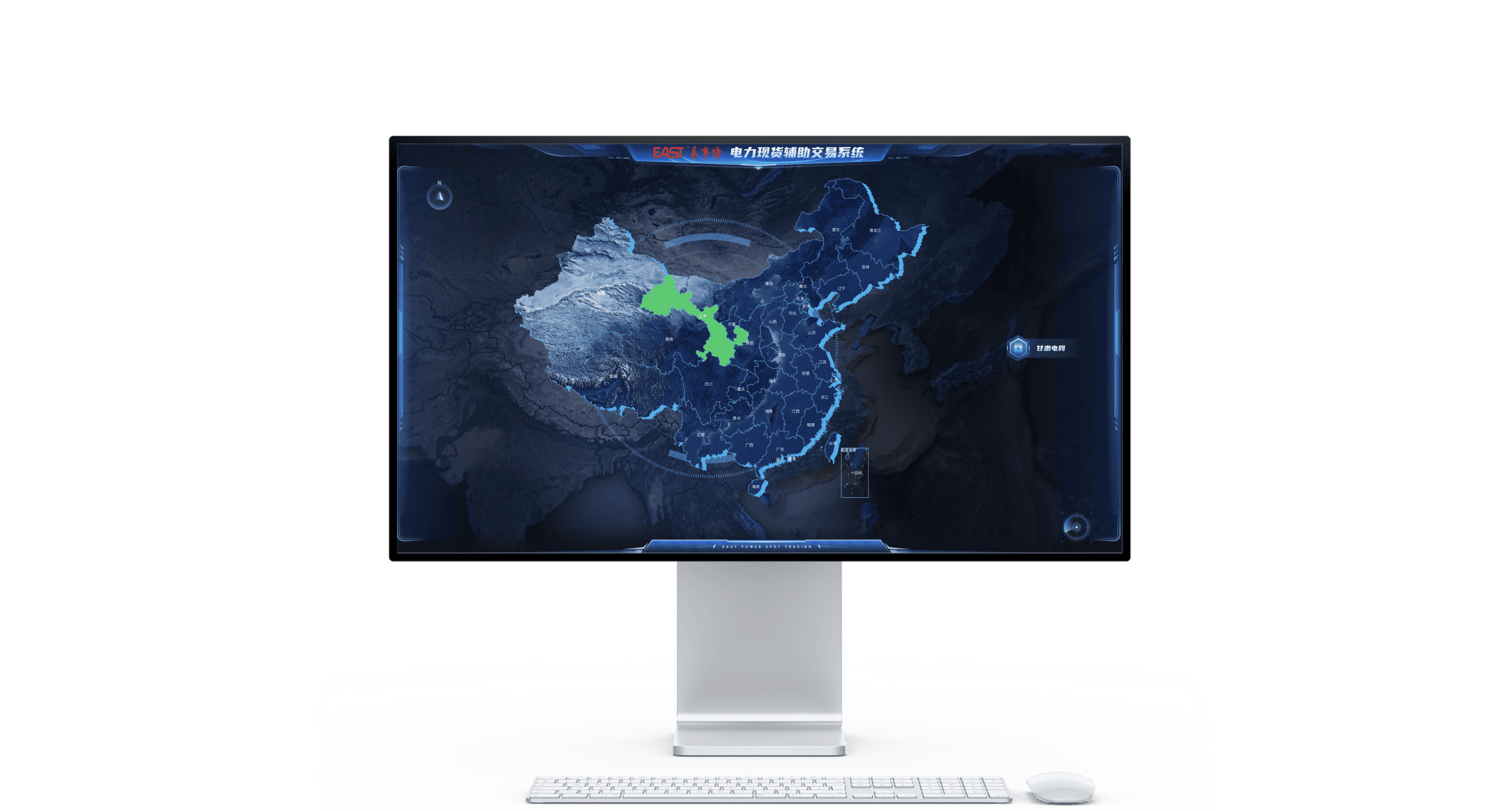
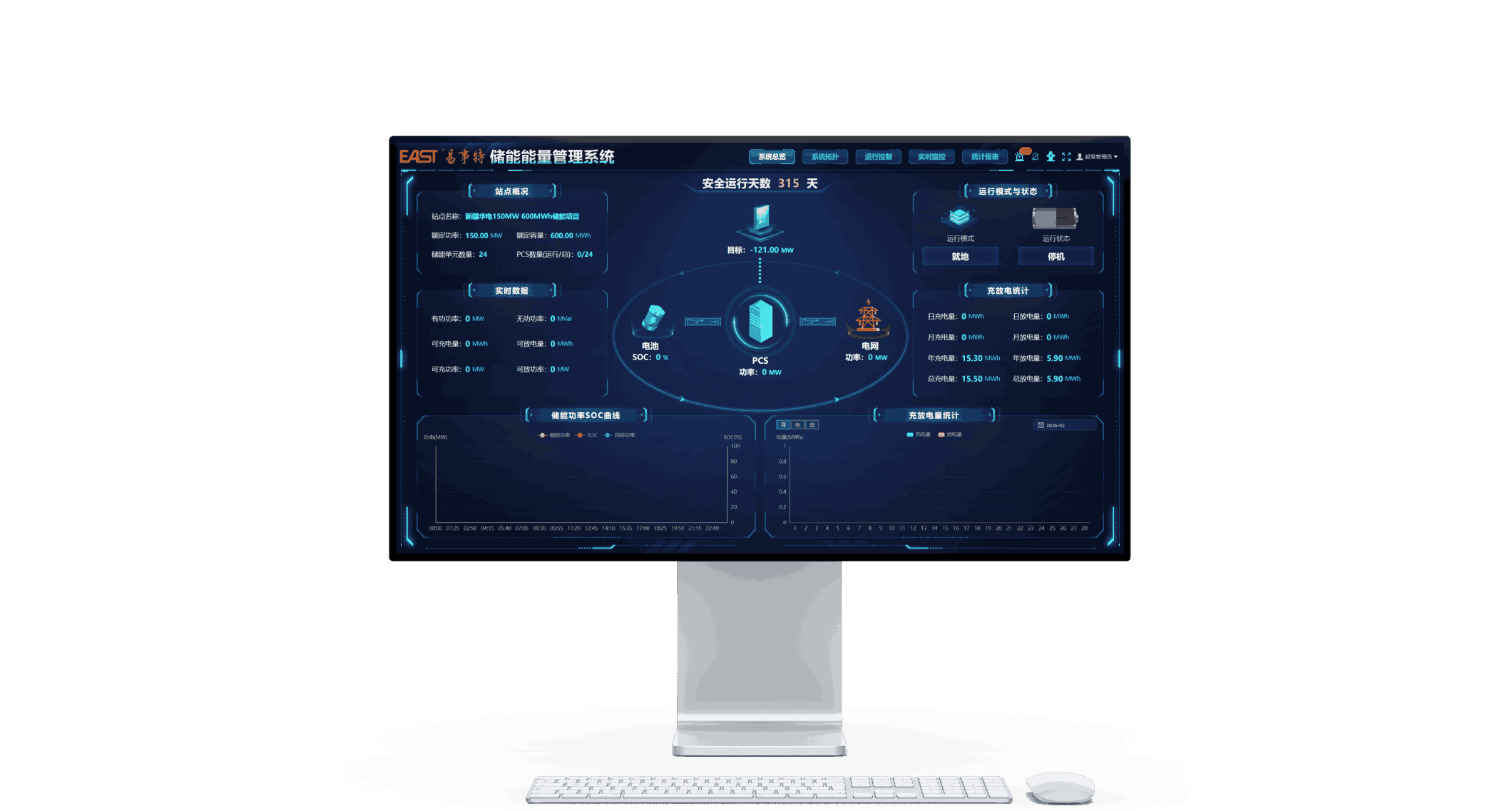
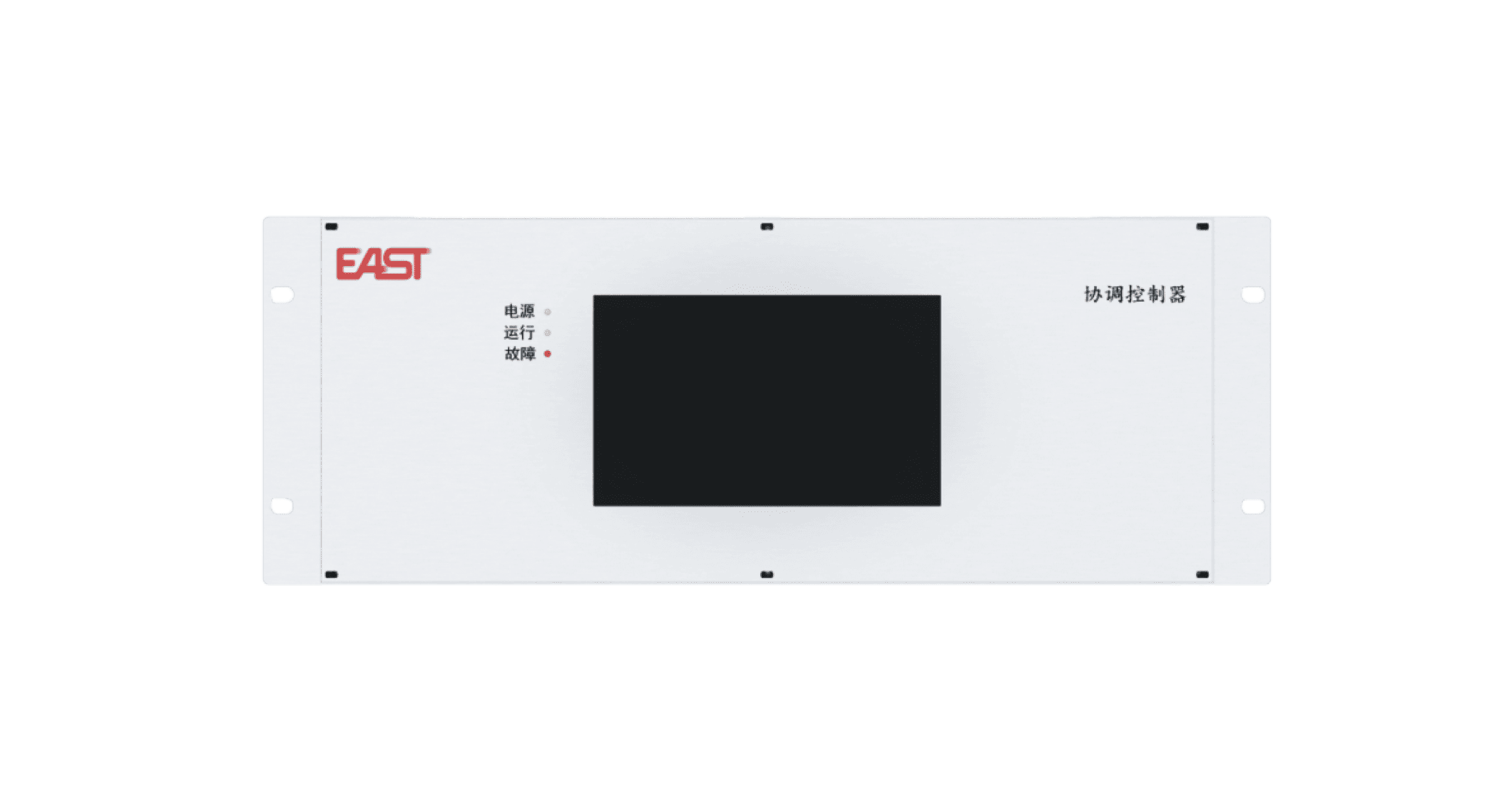
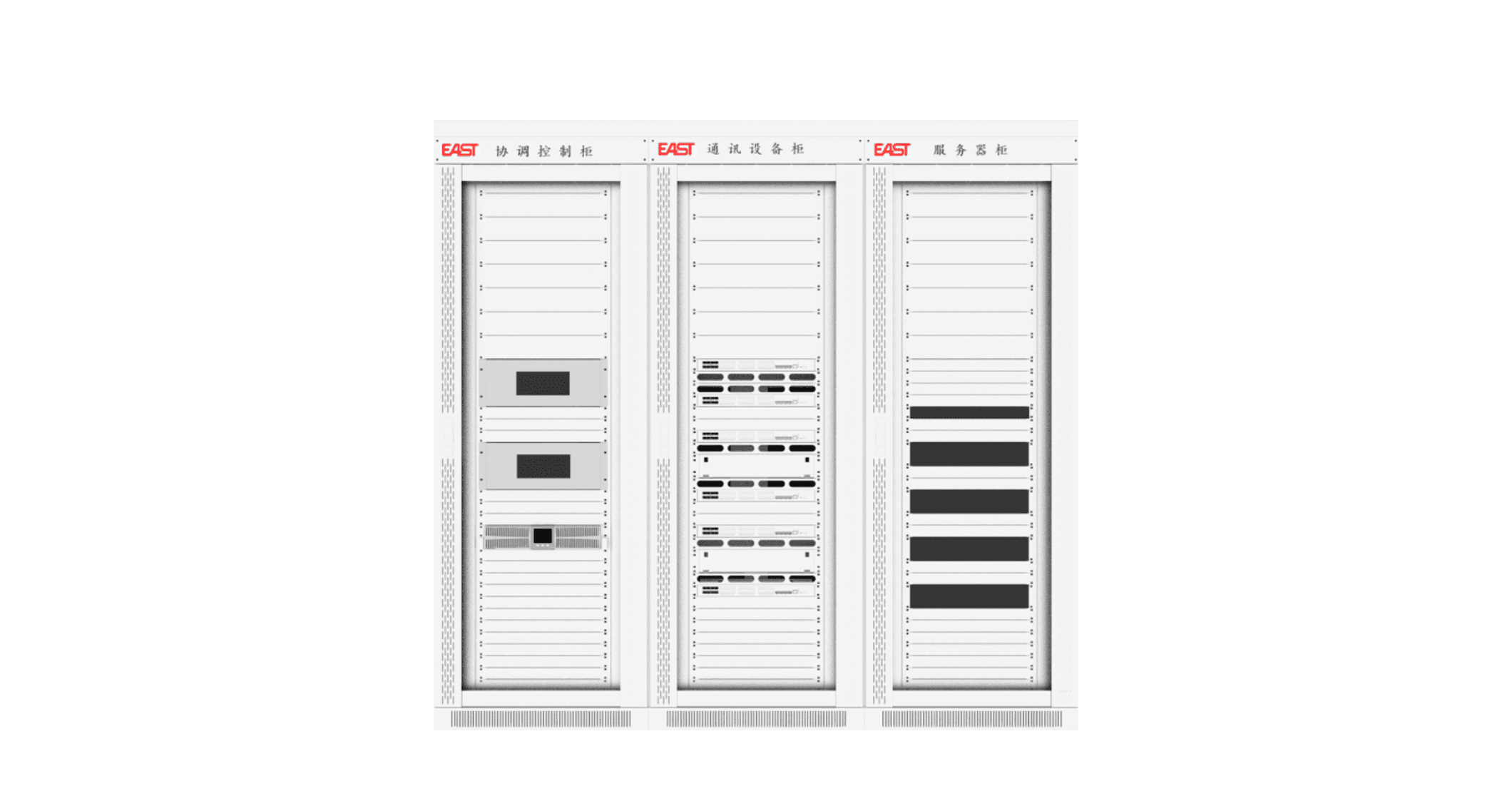
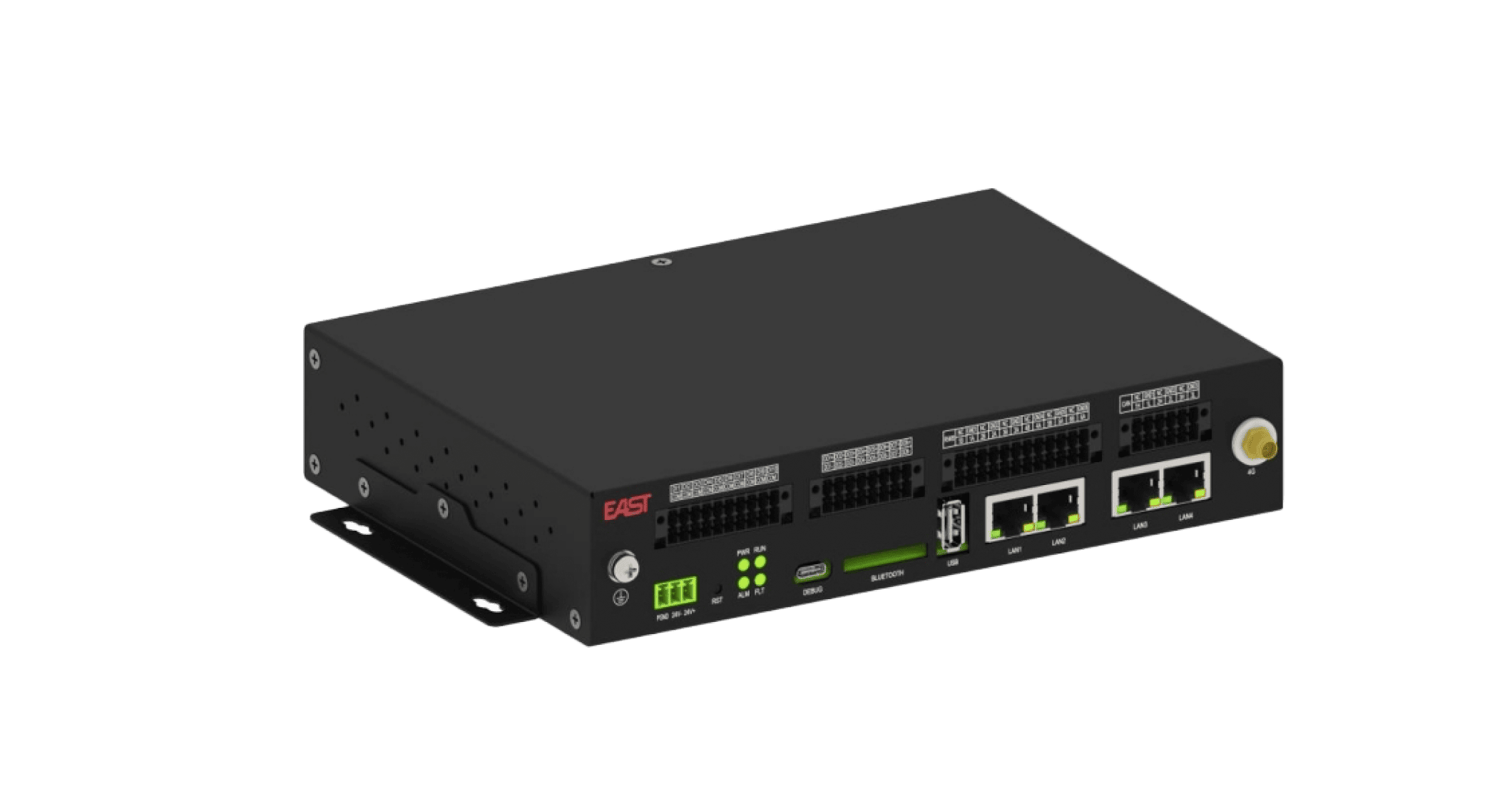
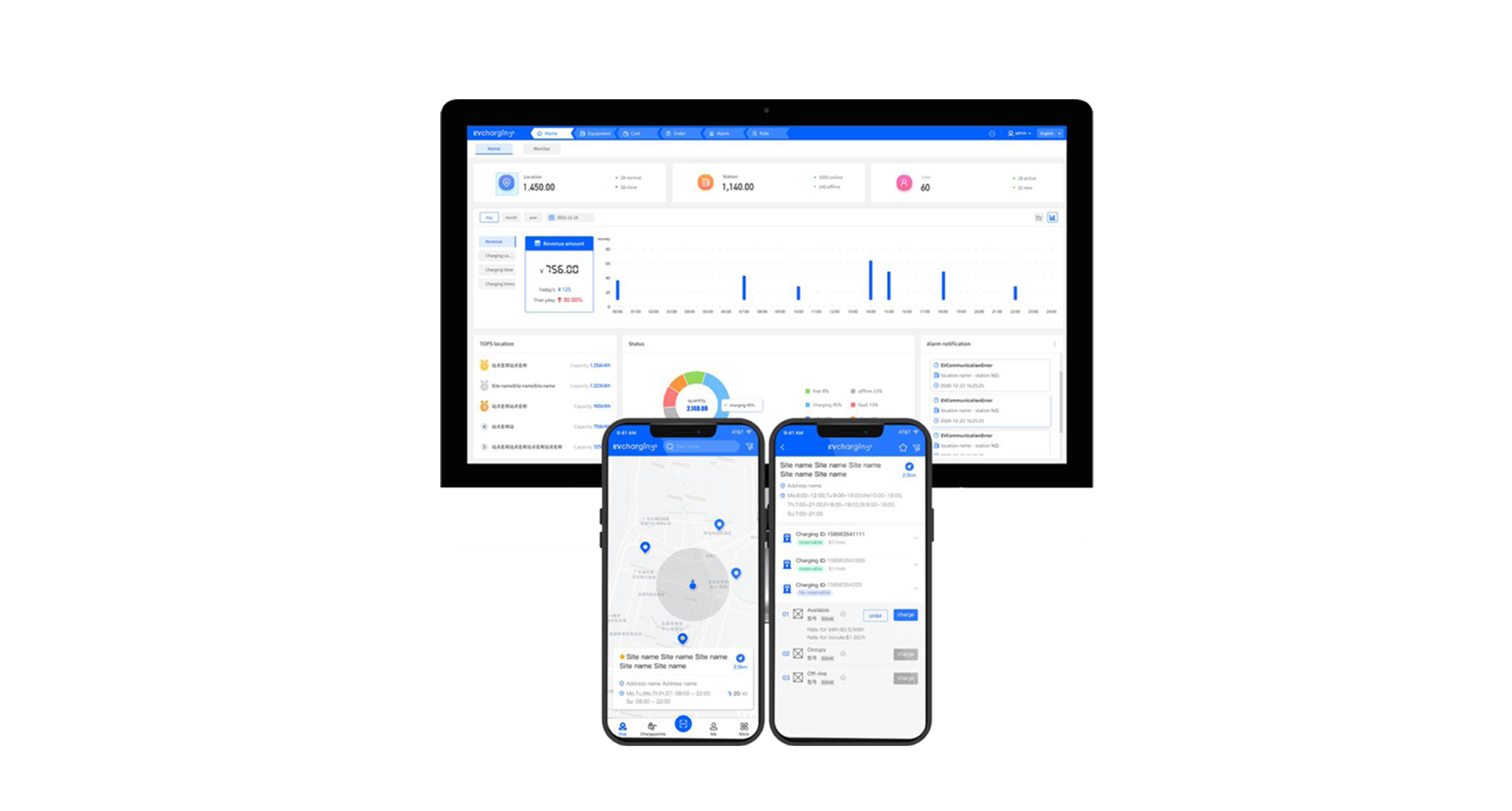
EAST self-develops PCS, BMS, EMS, PMS, and PACK within one technical system. EMS load forecasting directly informs PCS output; BMS data participates in plant-level power allocation in real time.
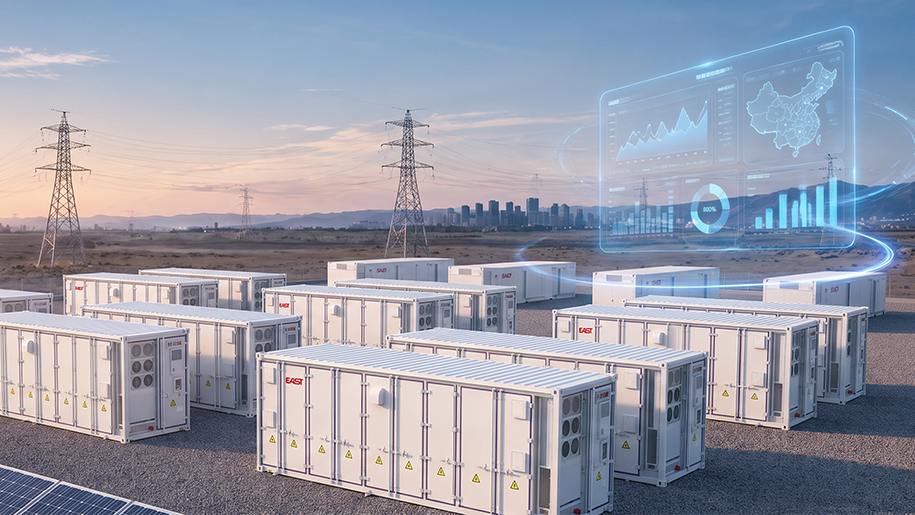
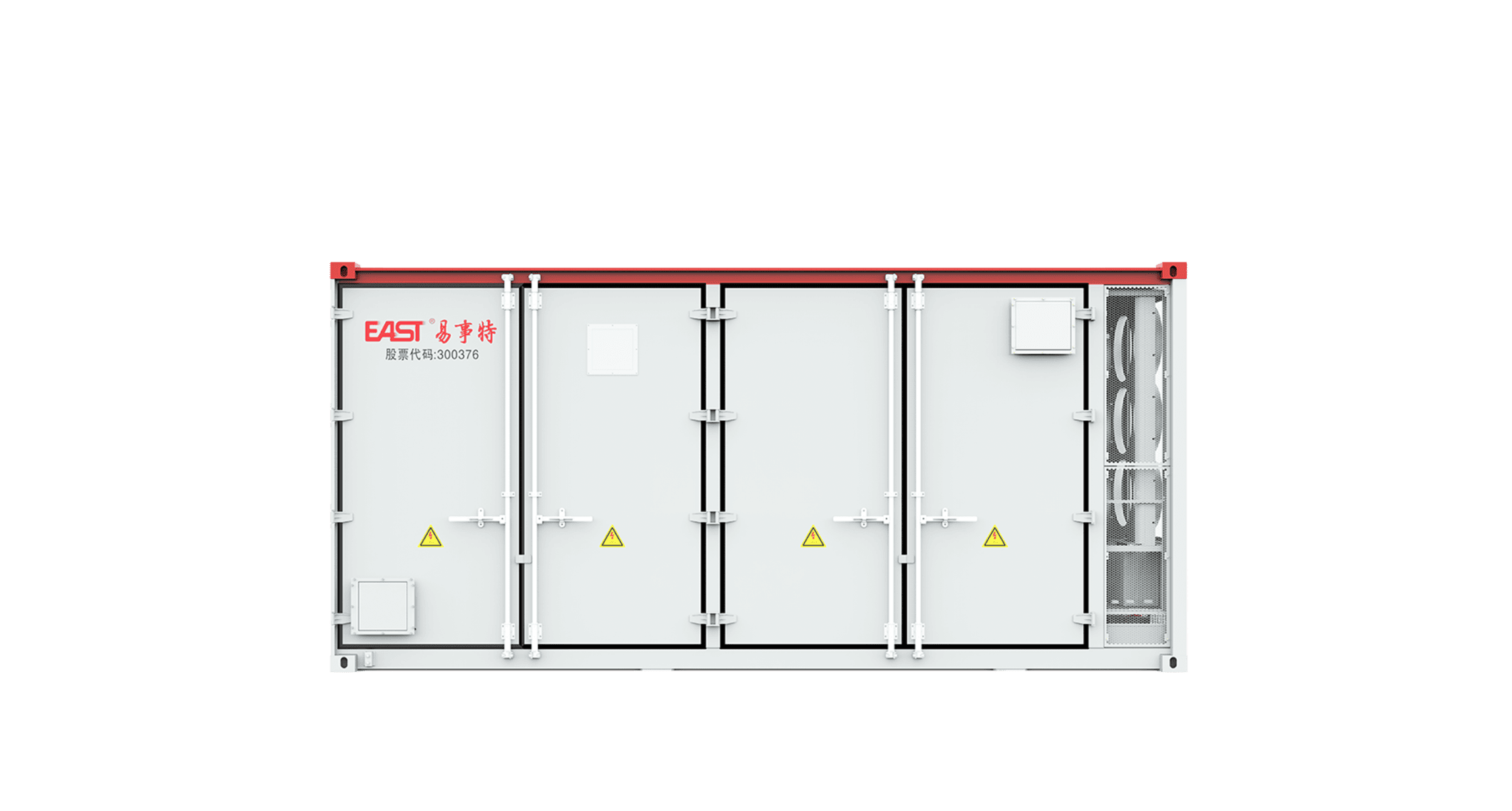
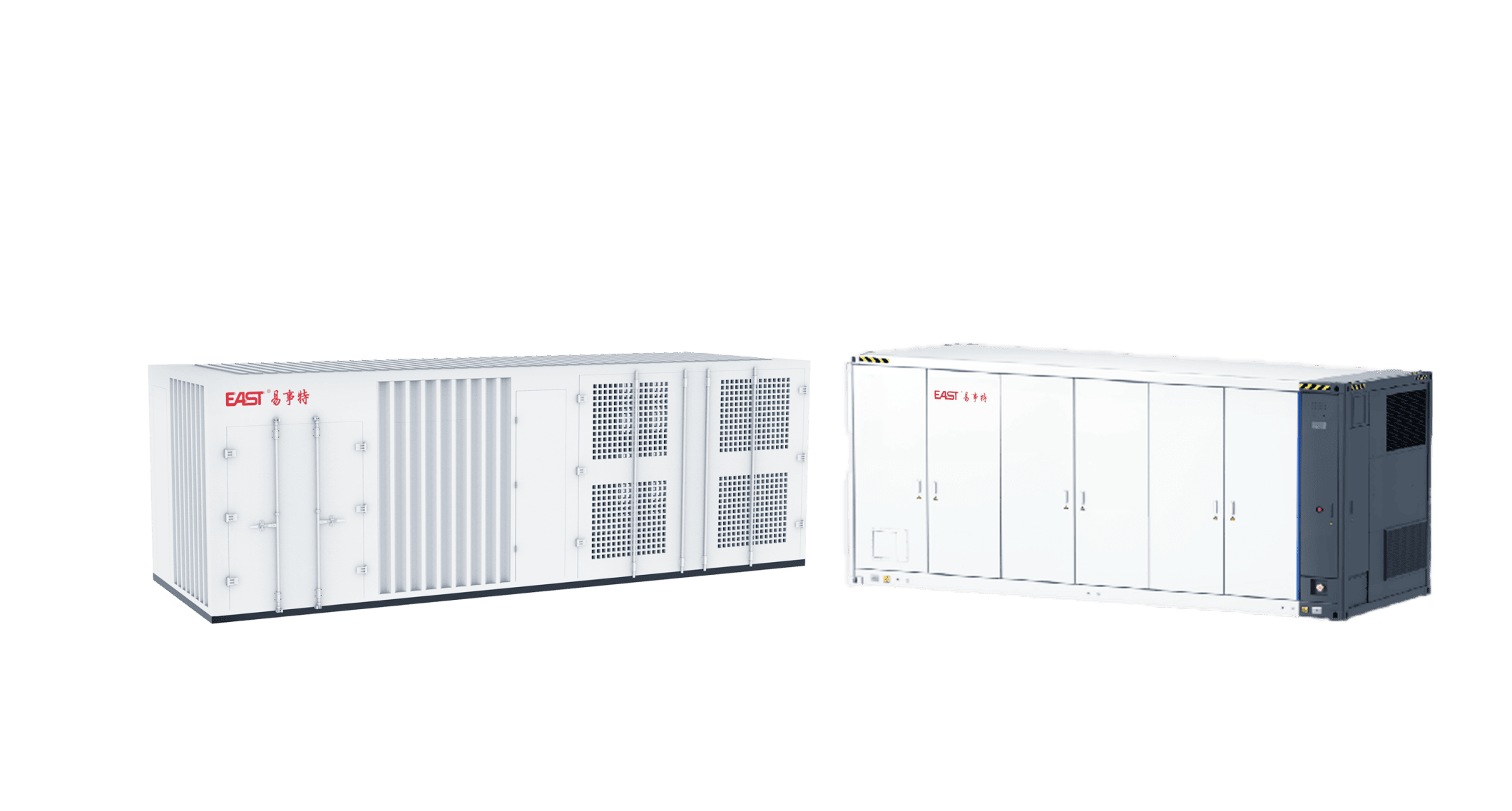
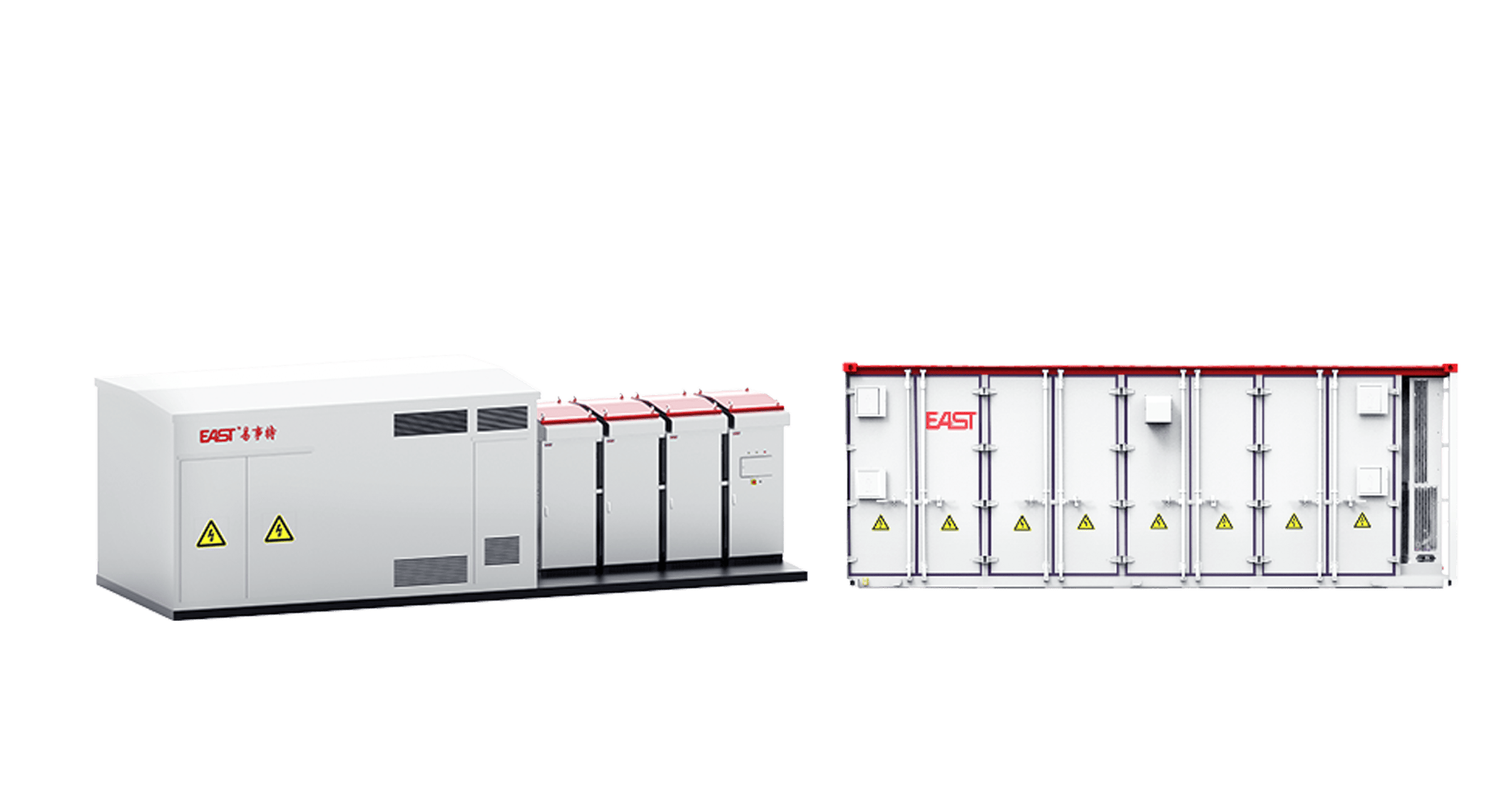
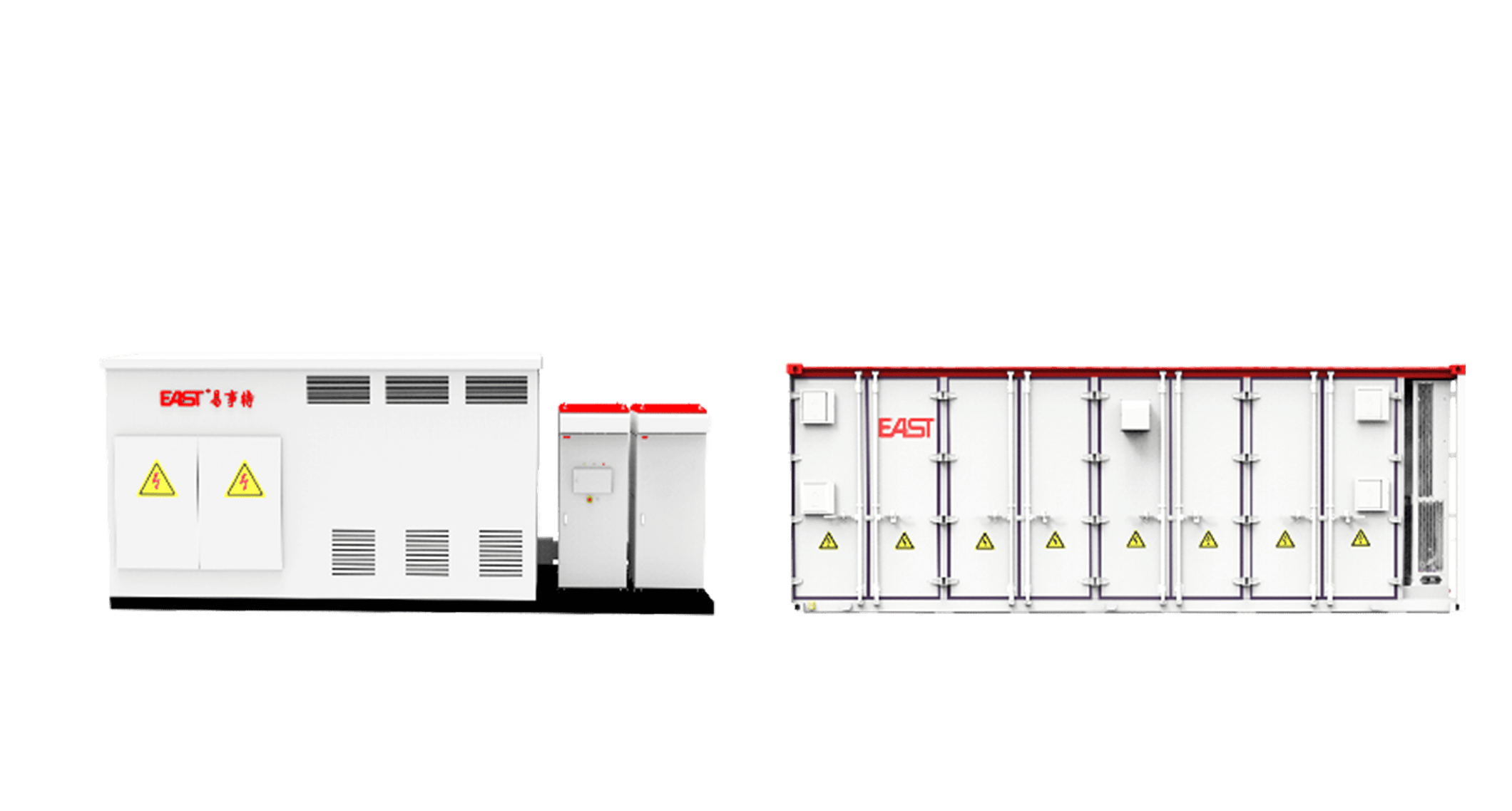
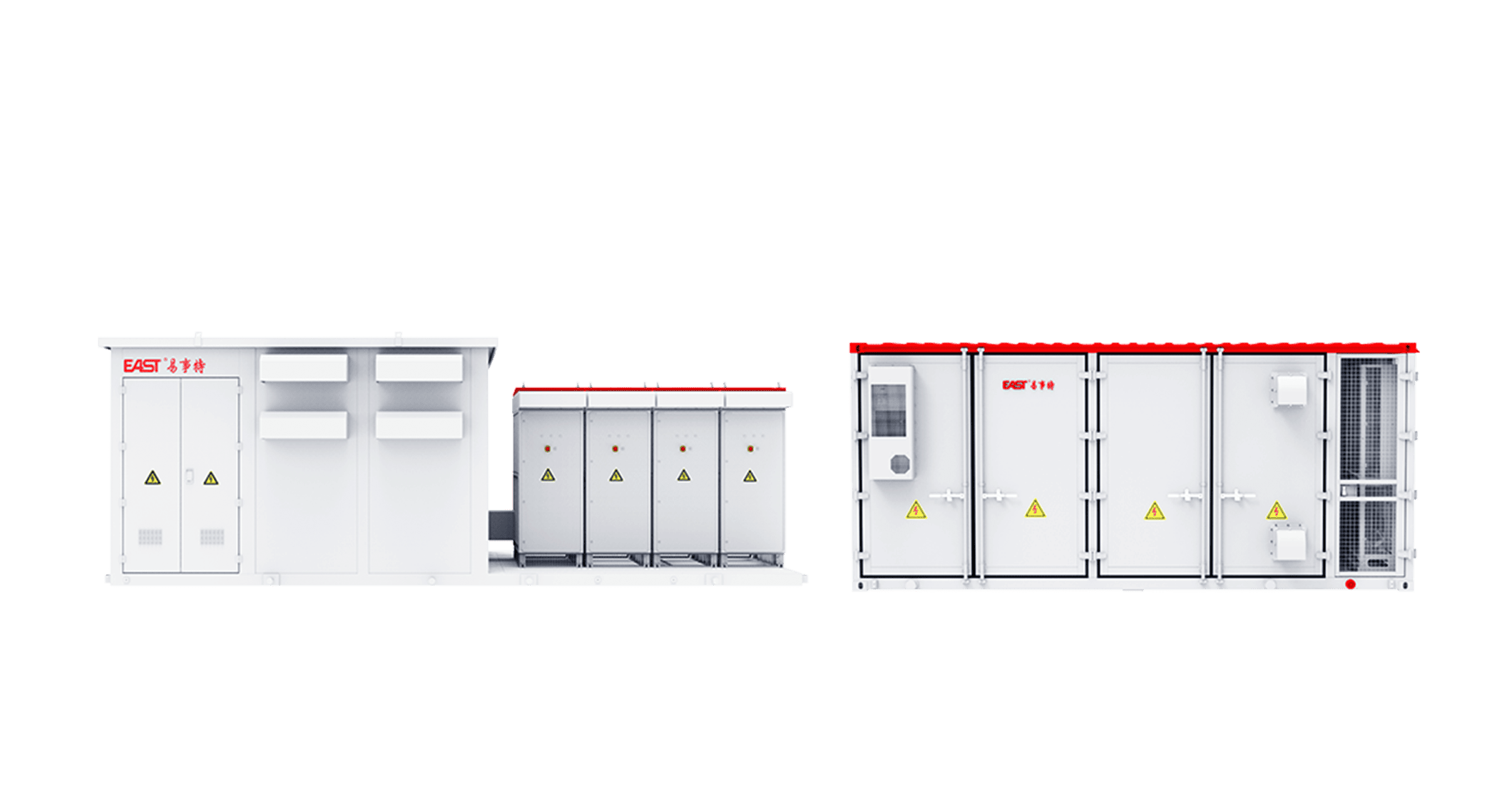
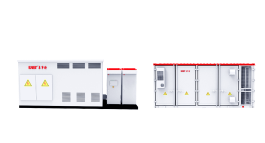
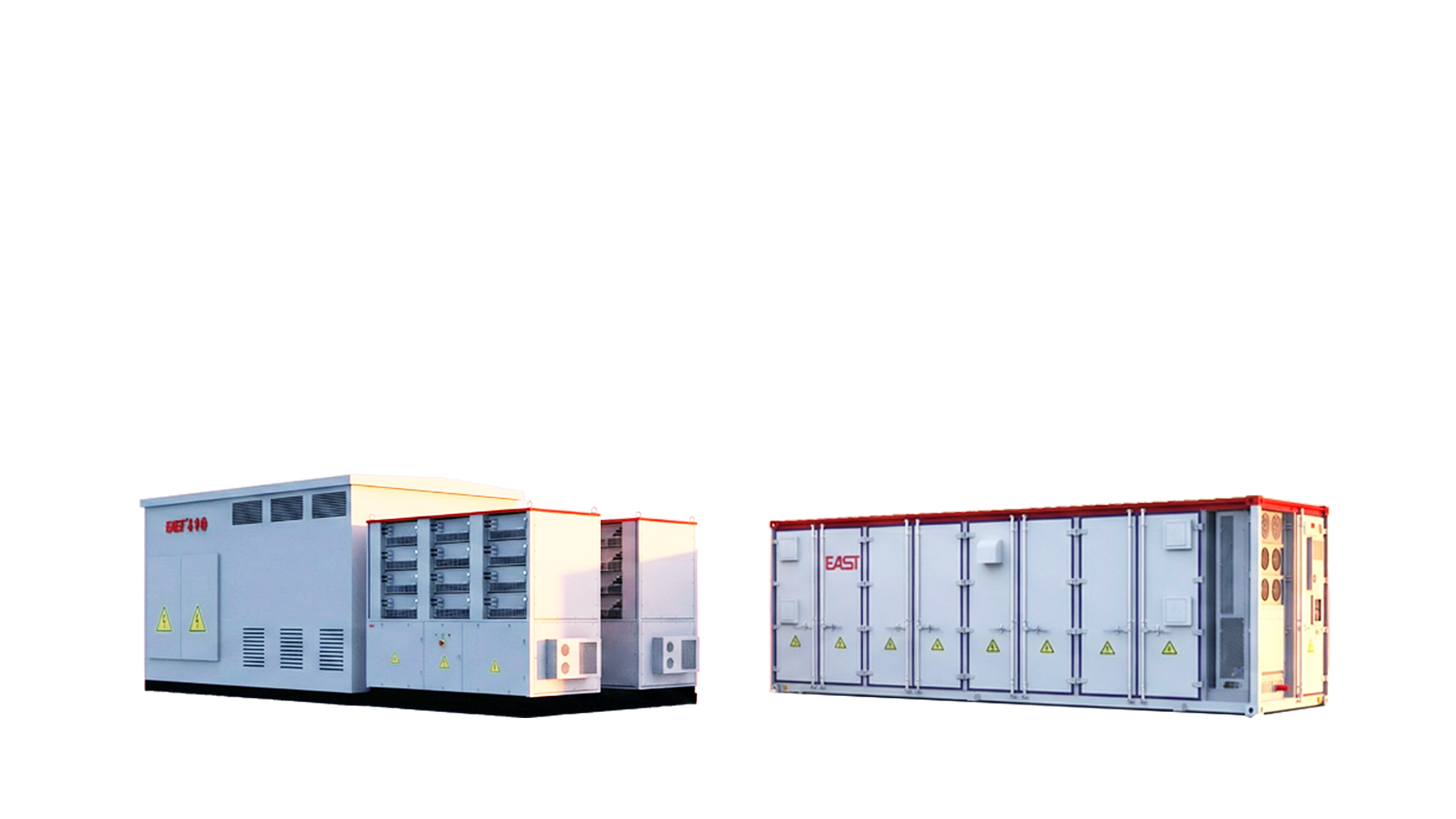
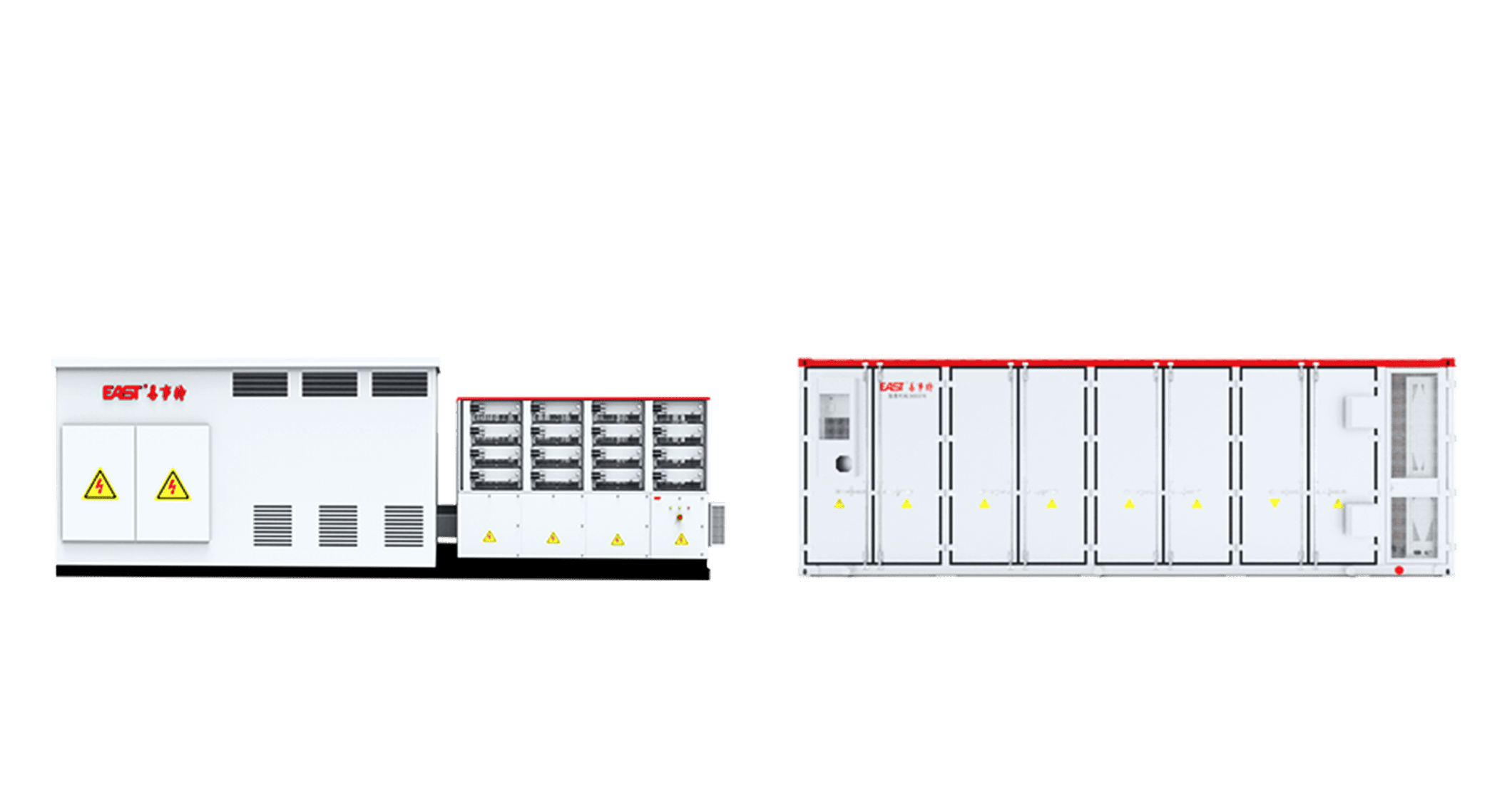
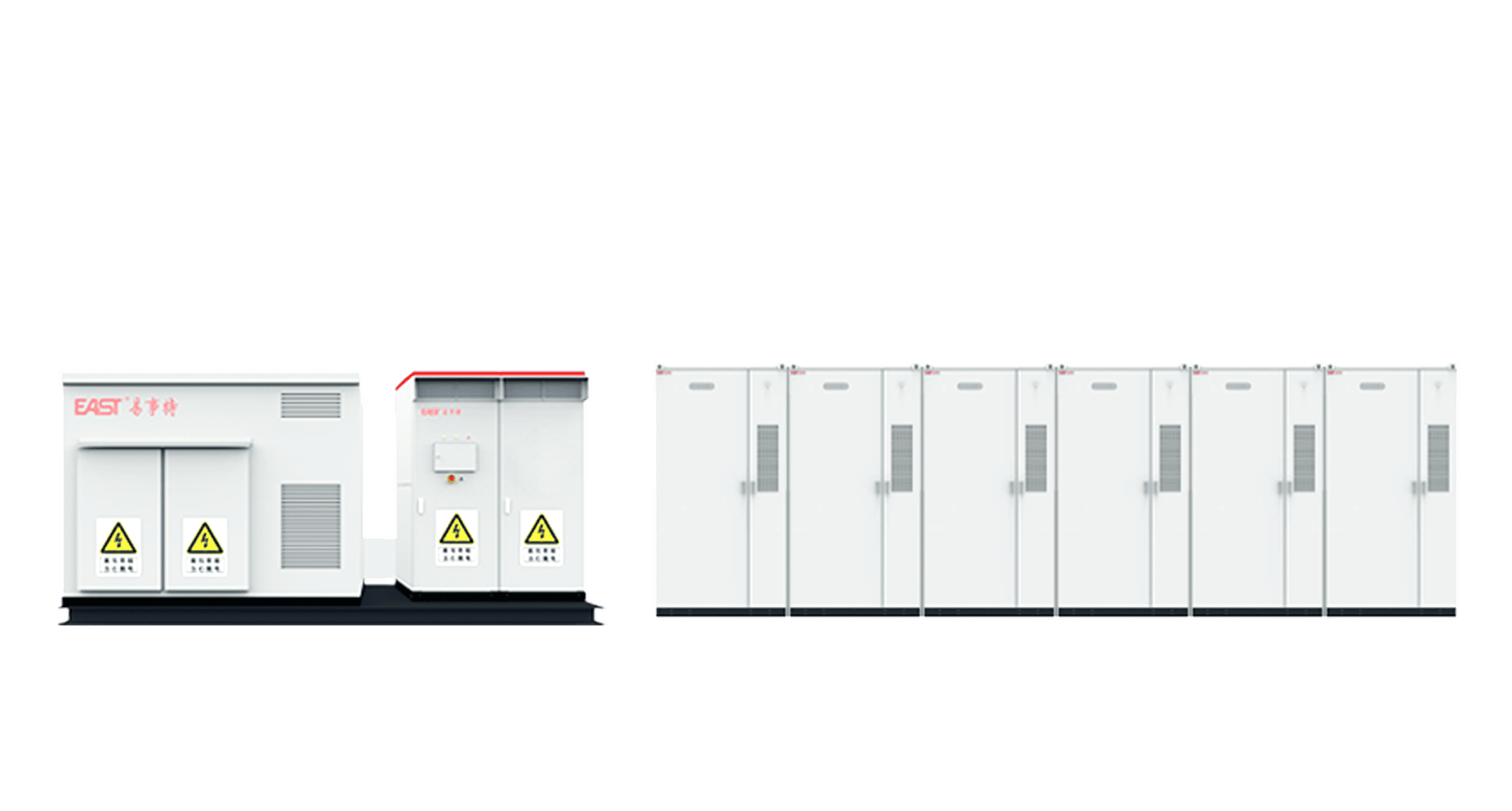
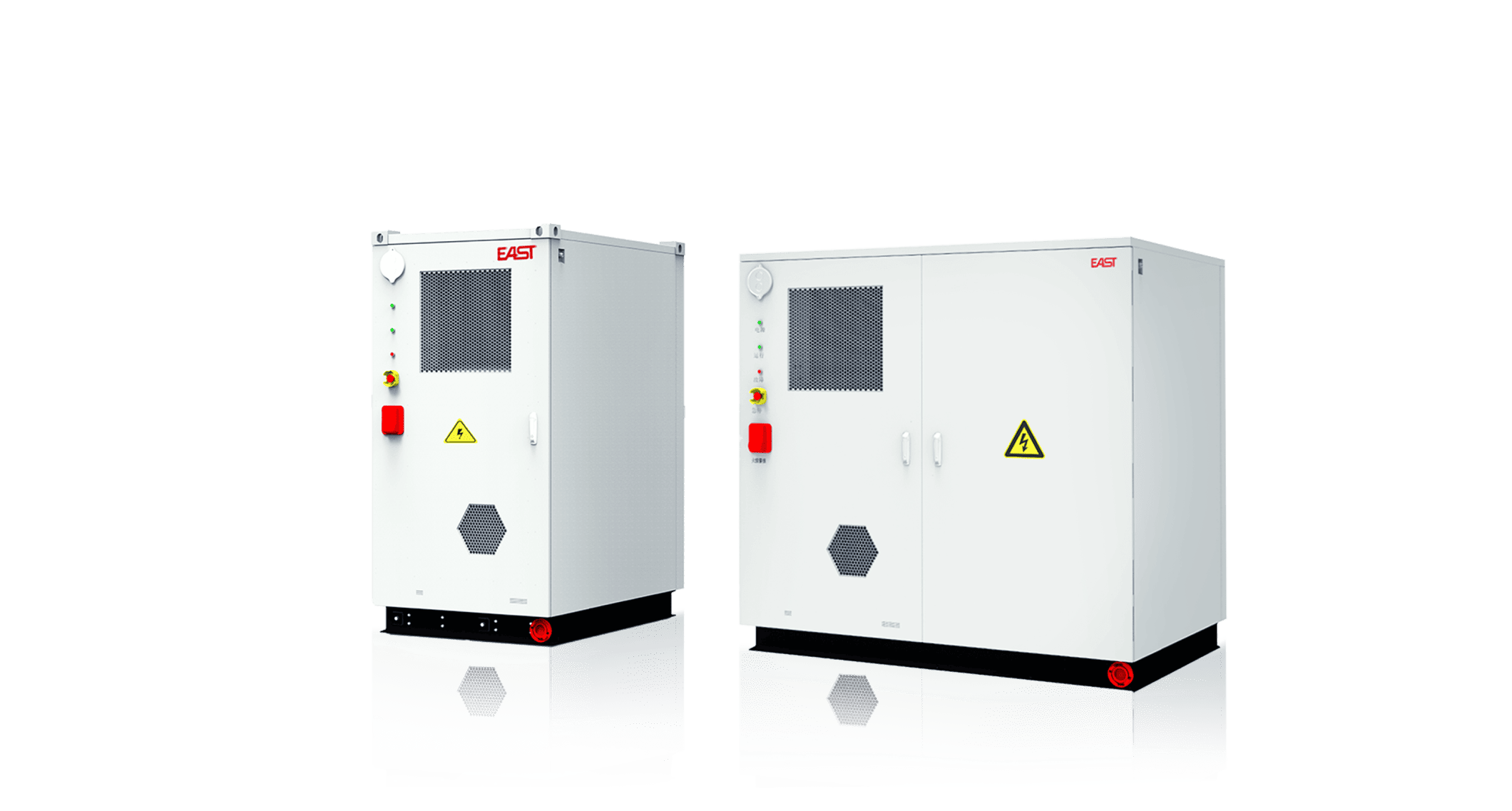
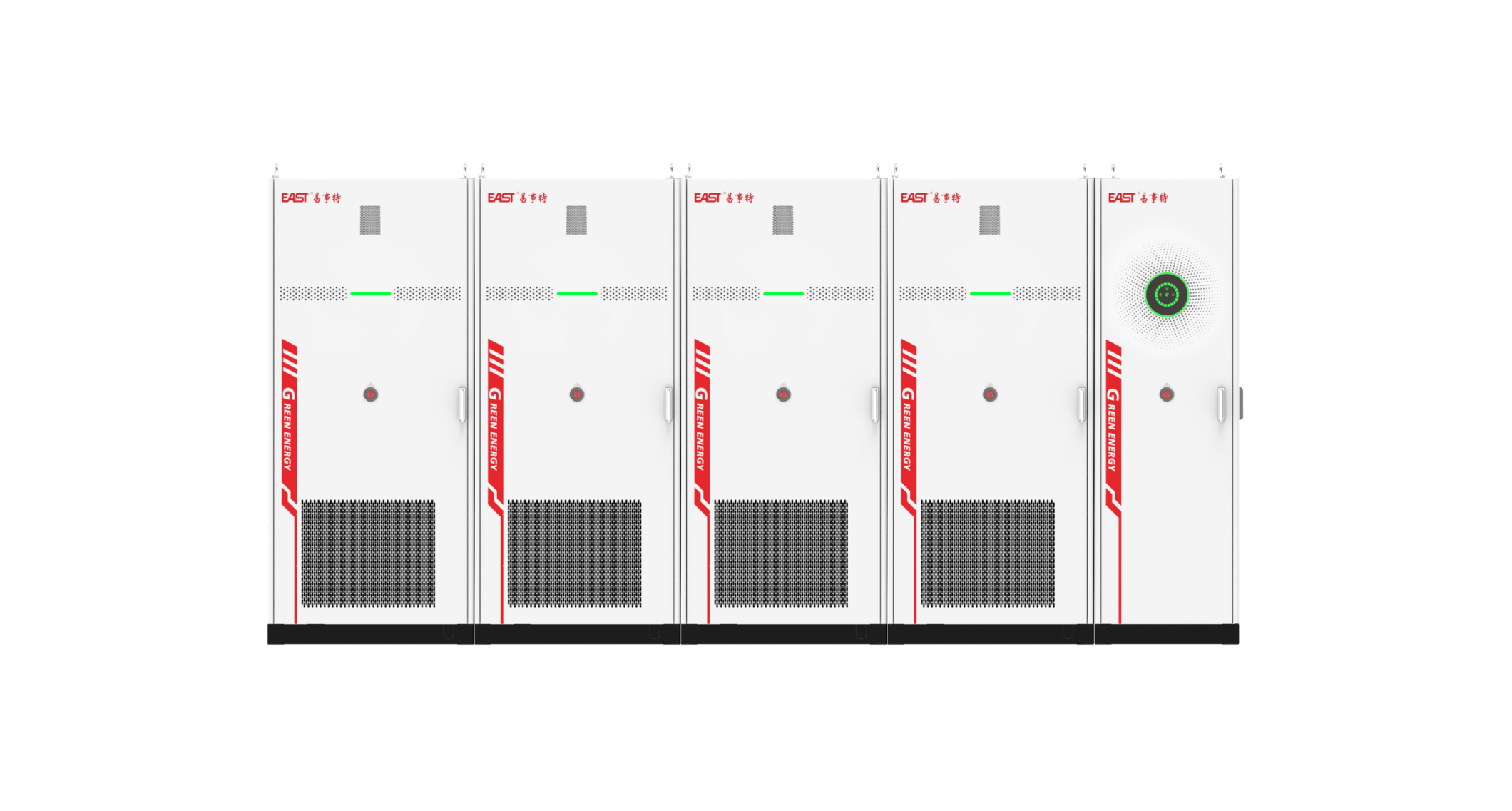
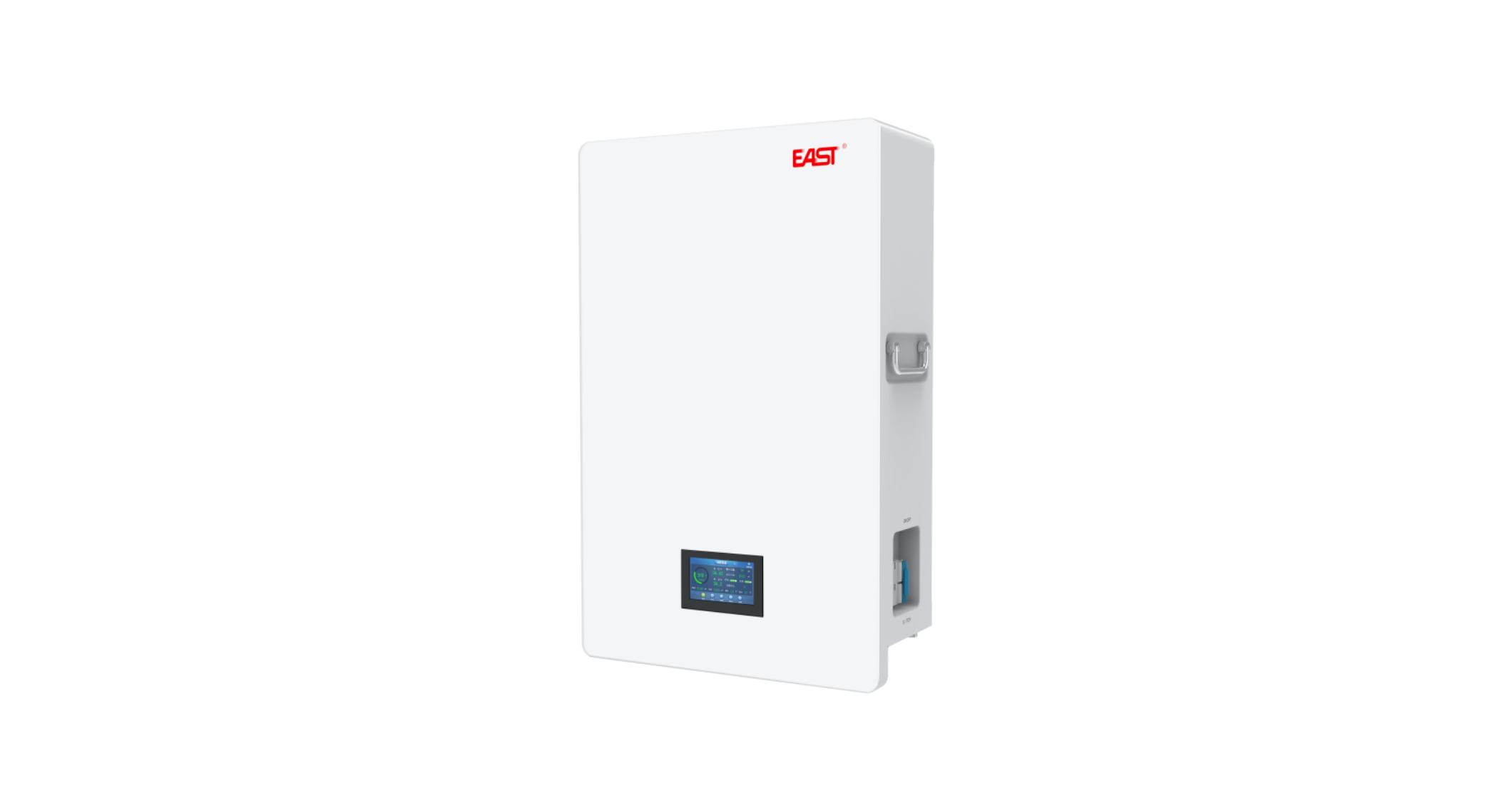
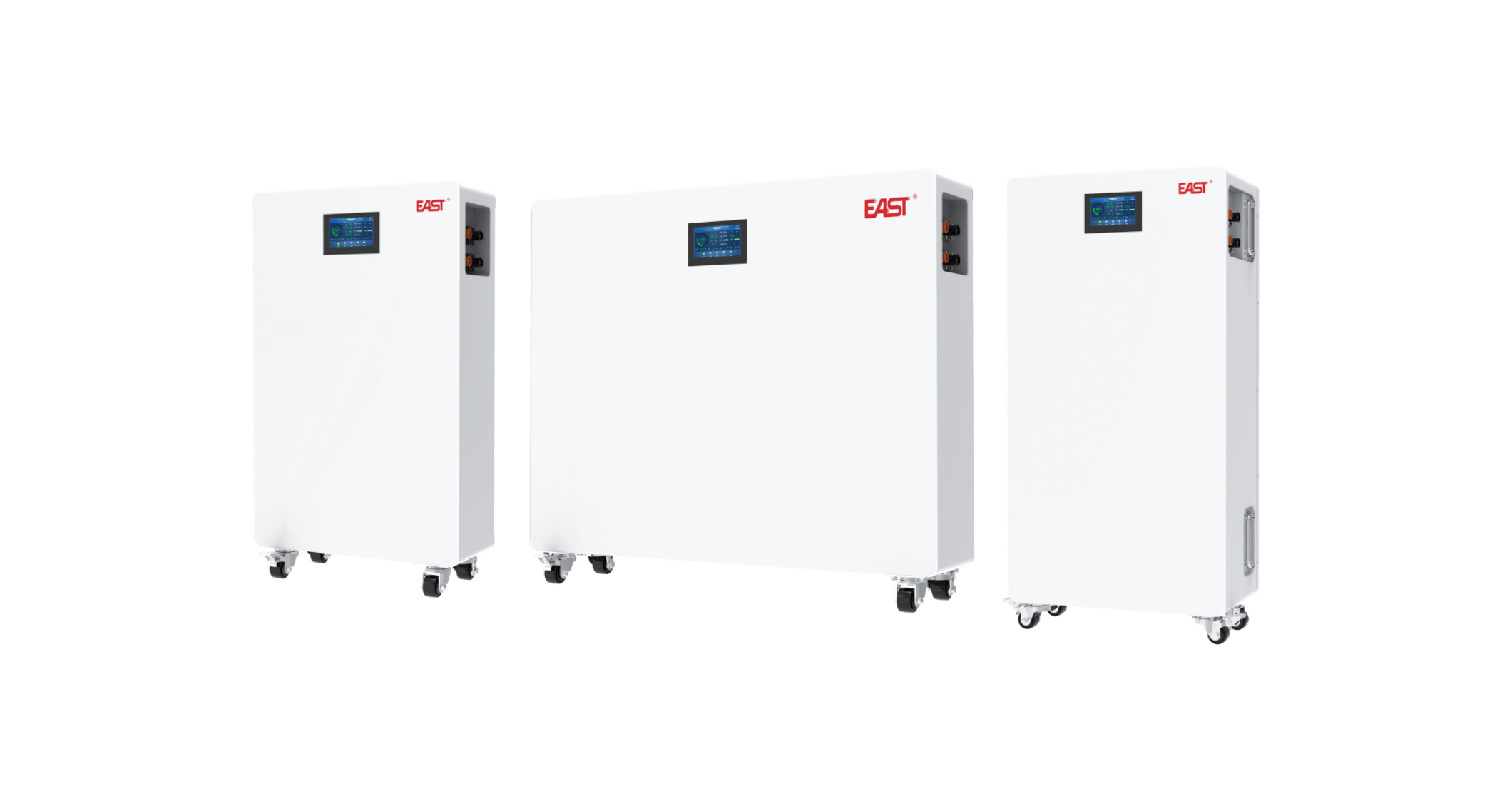
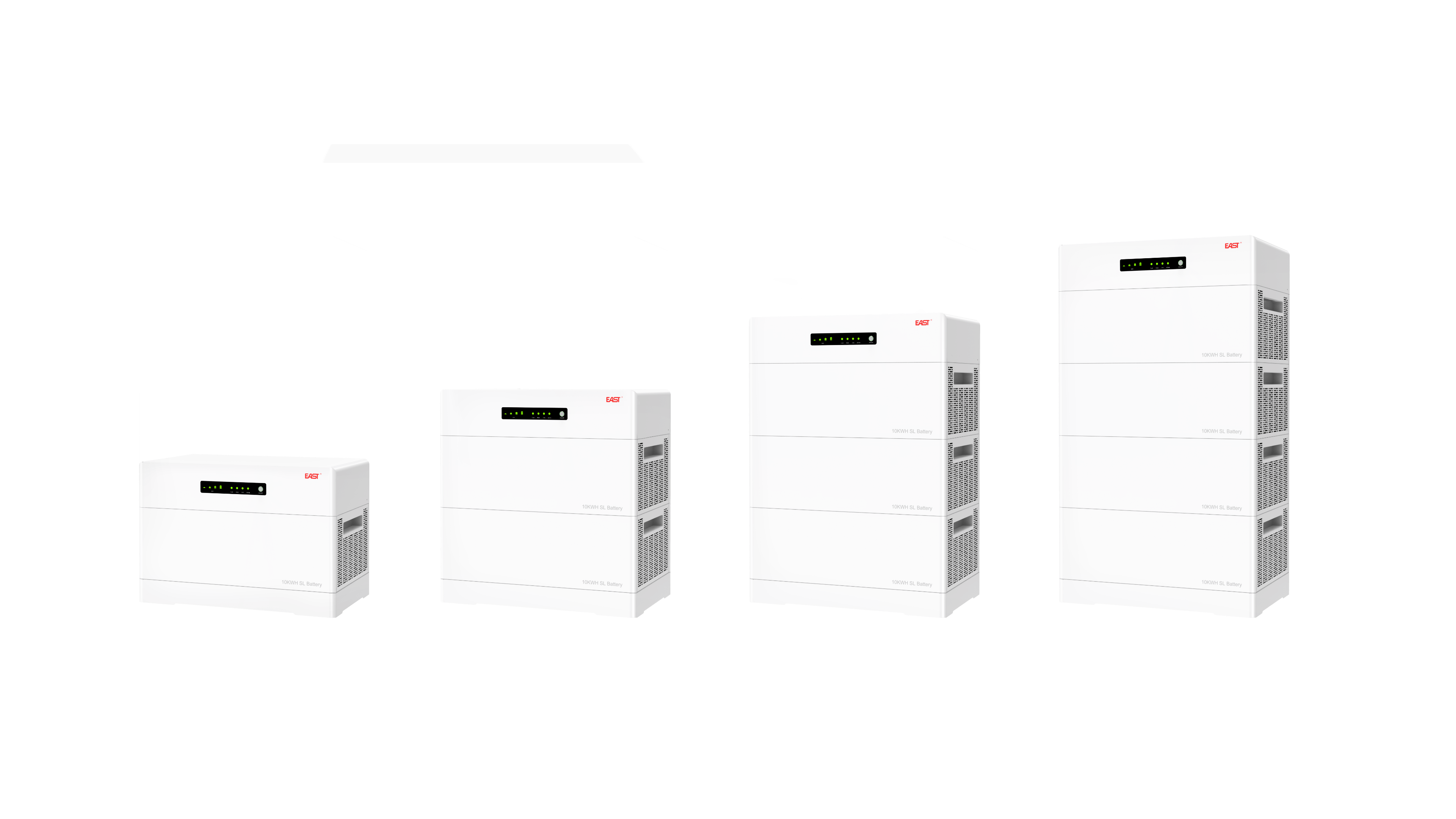
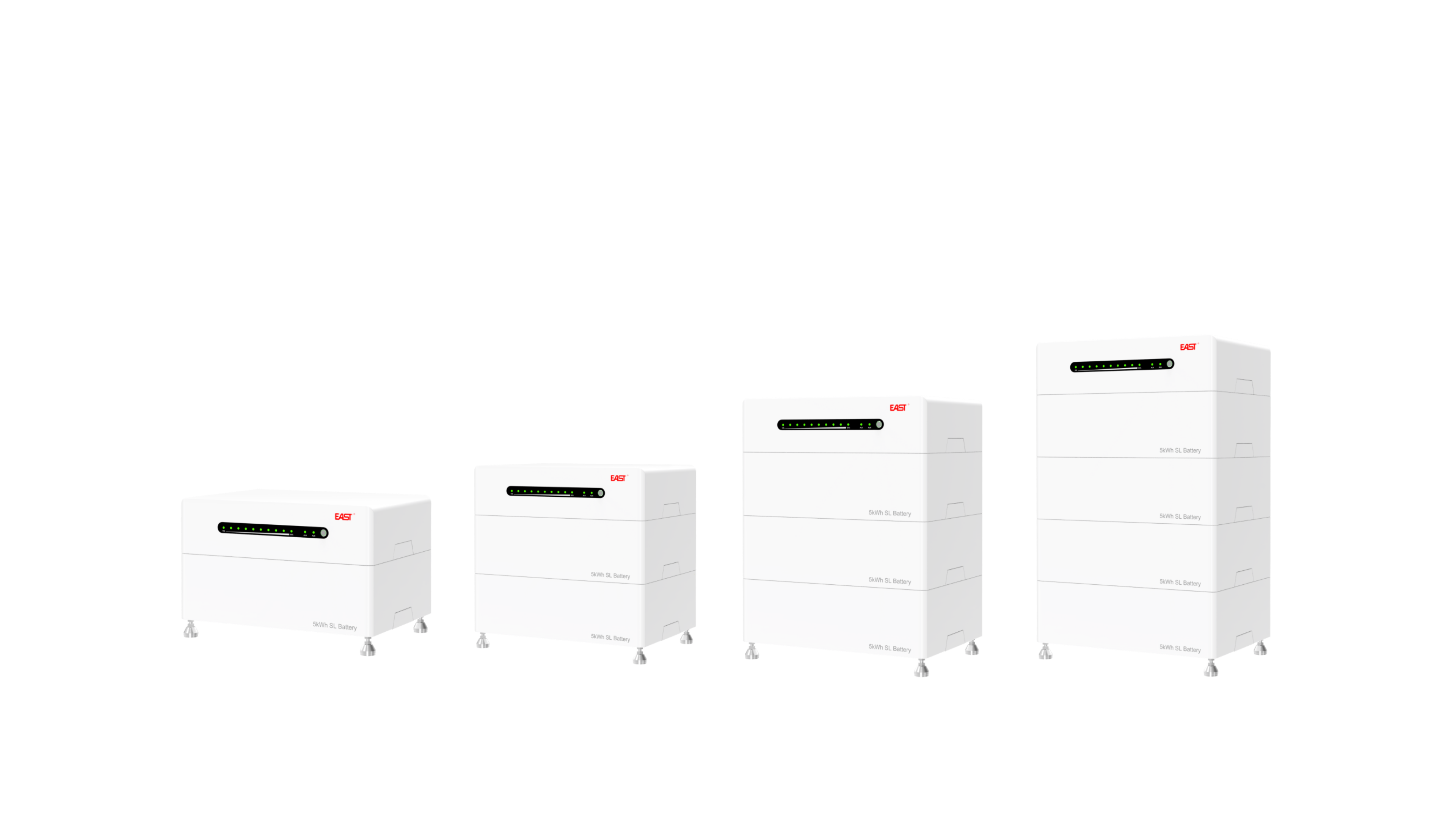
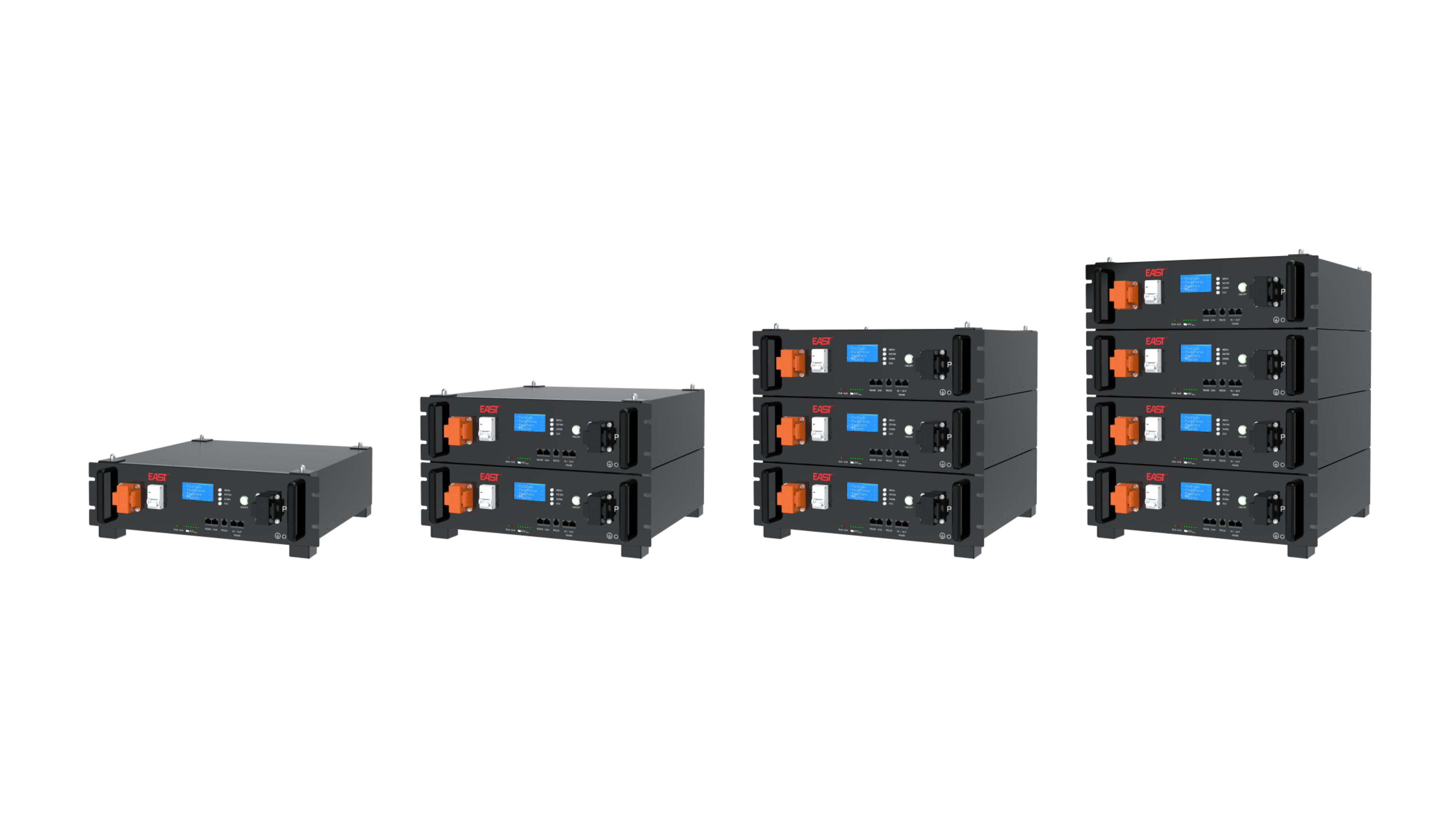
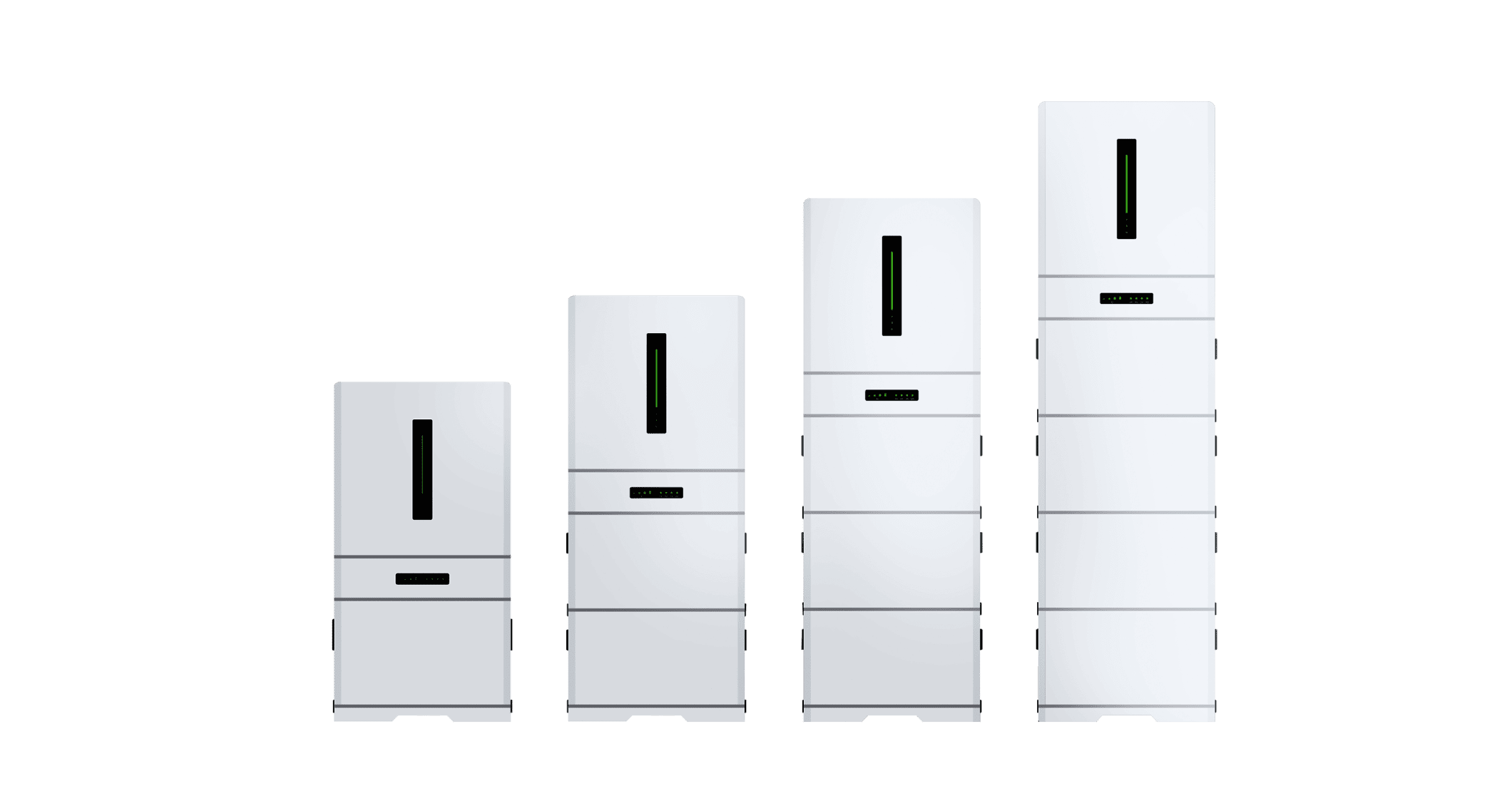
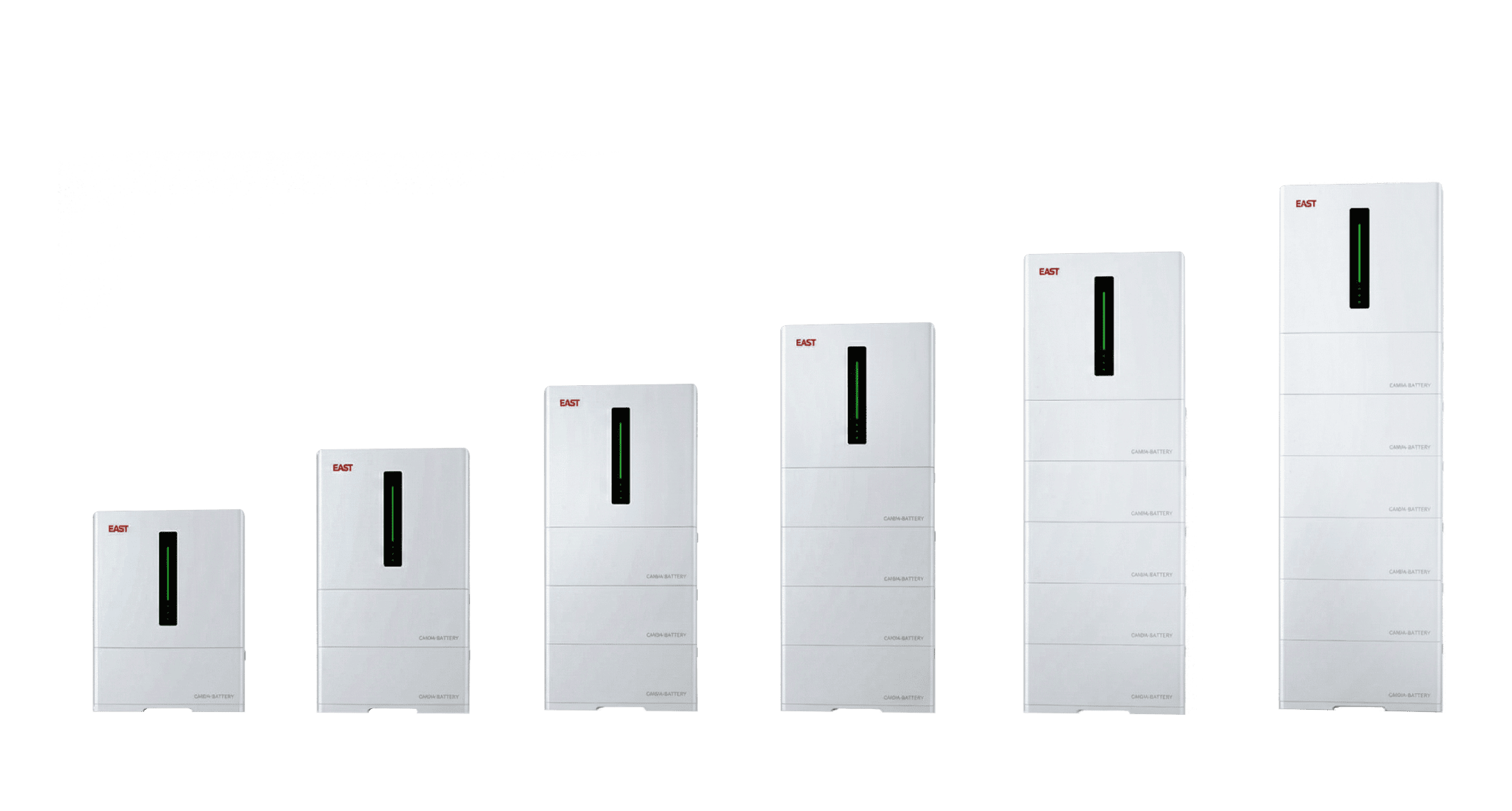
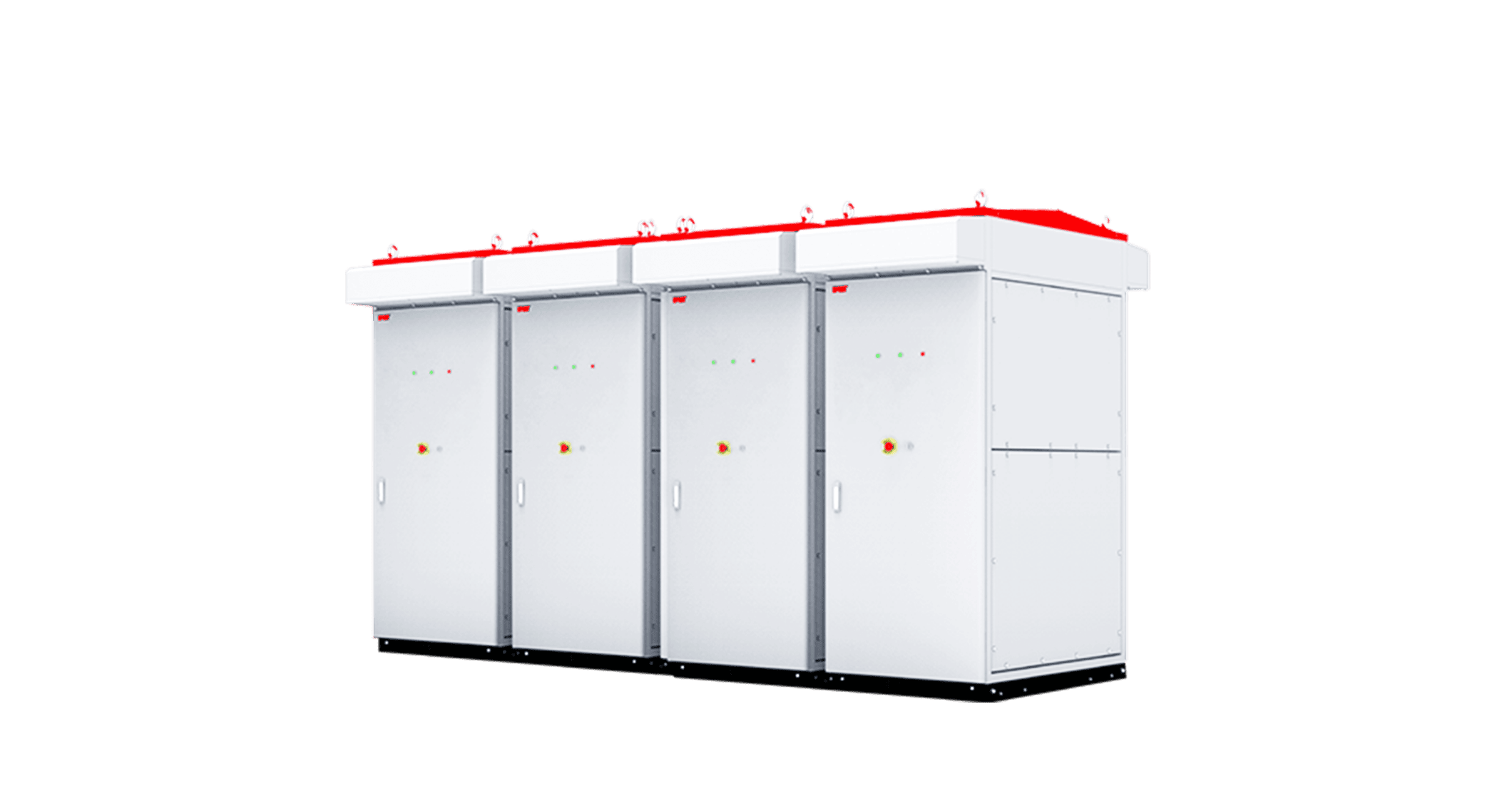
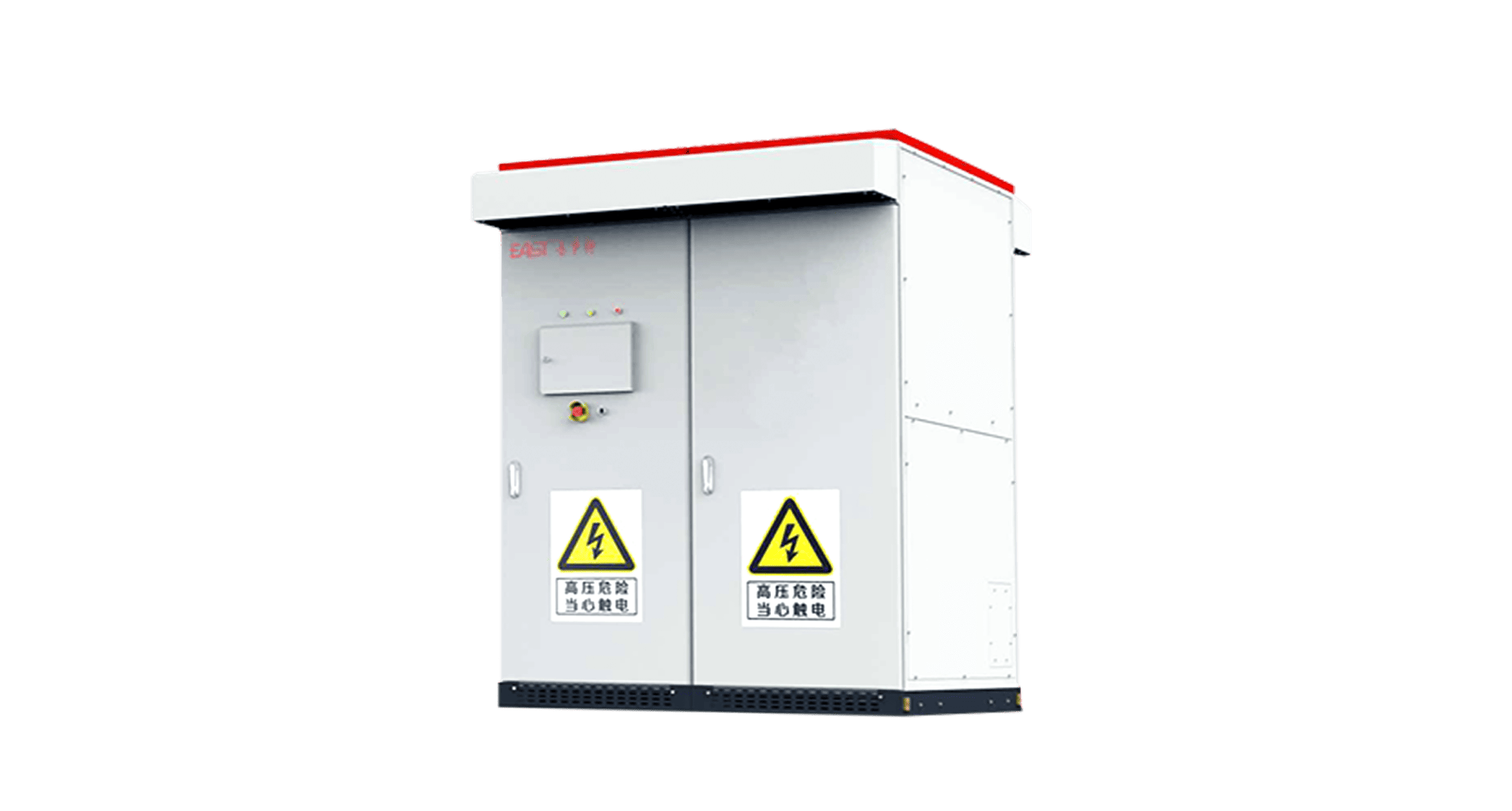
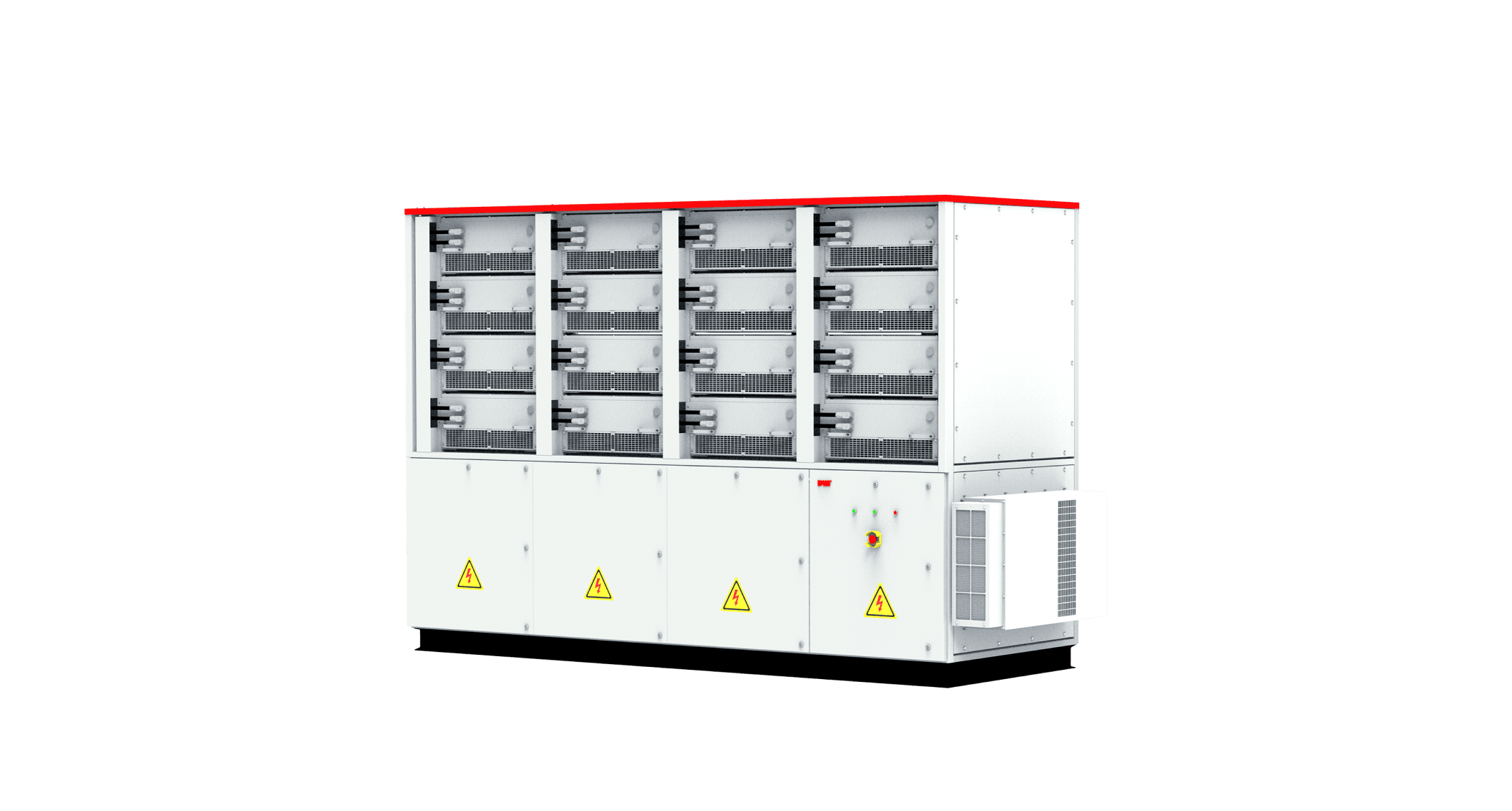
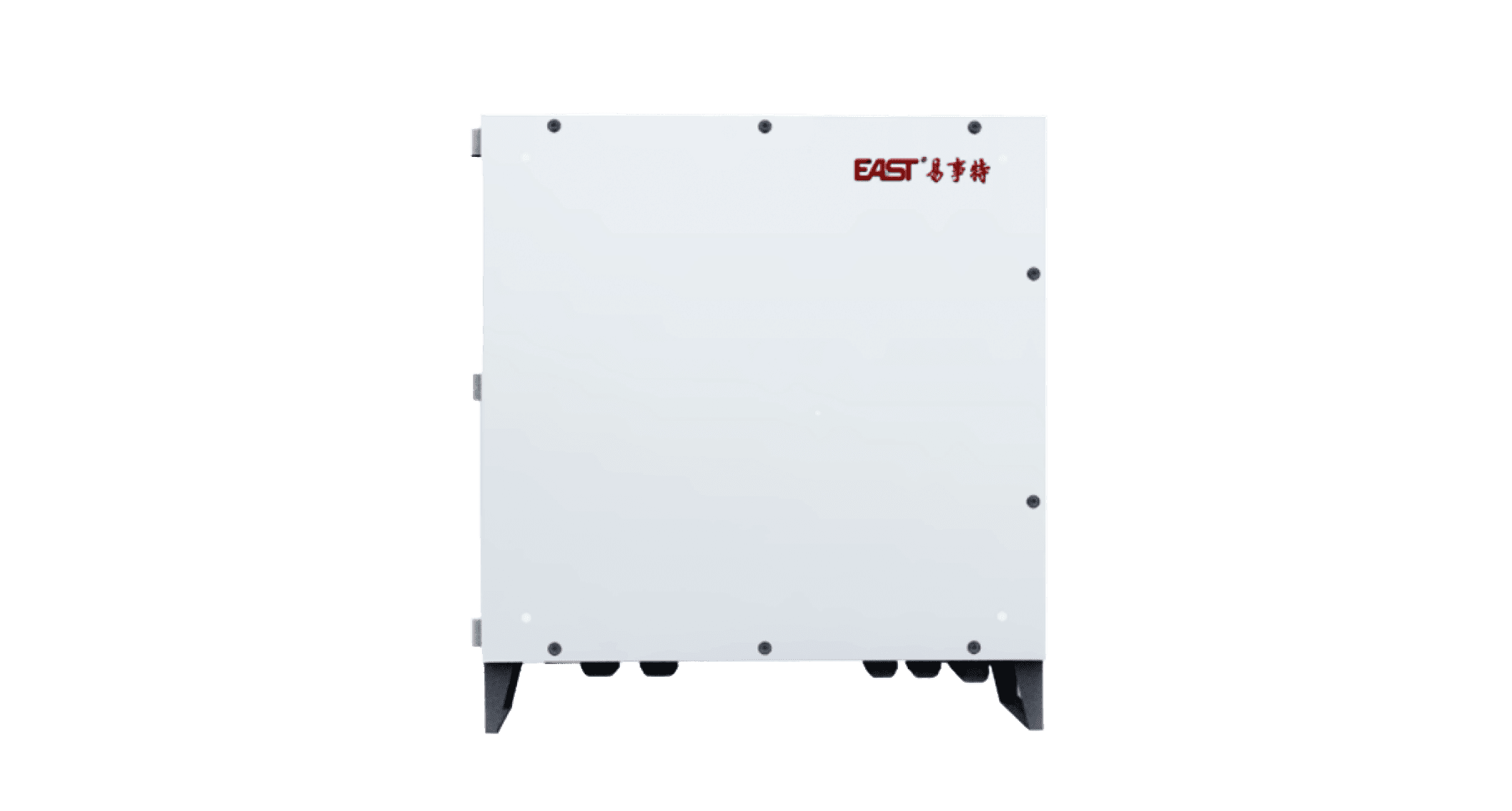
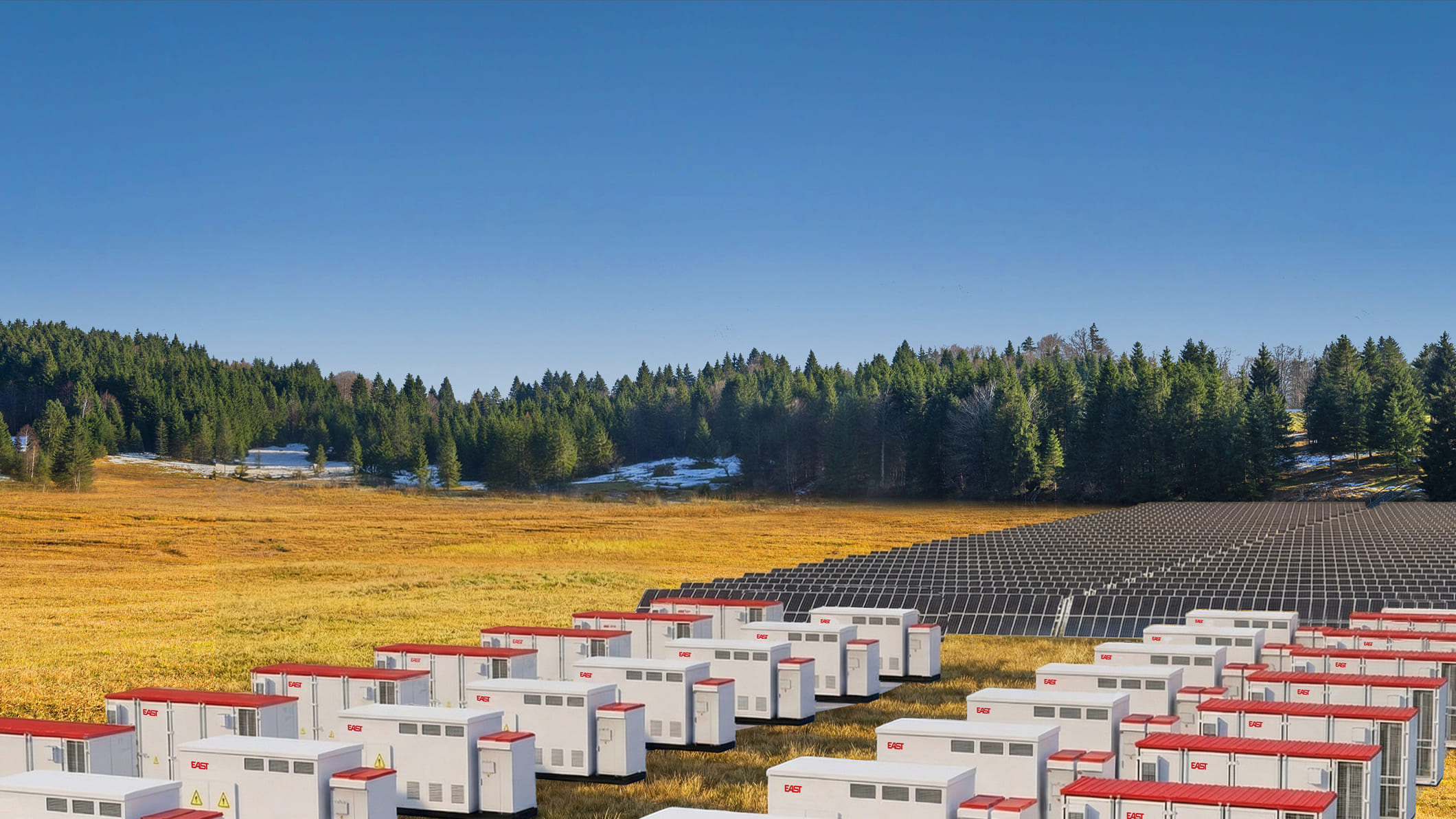
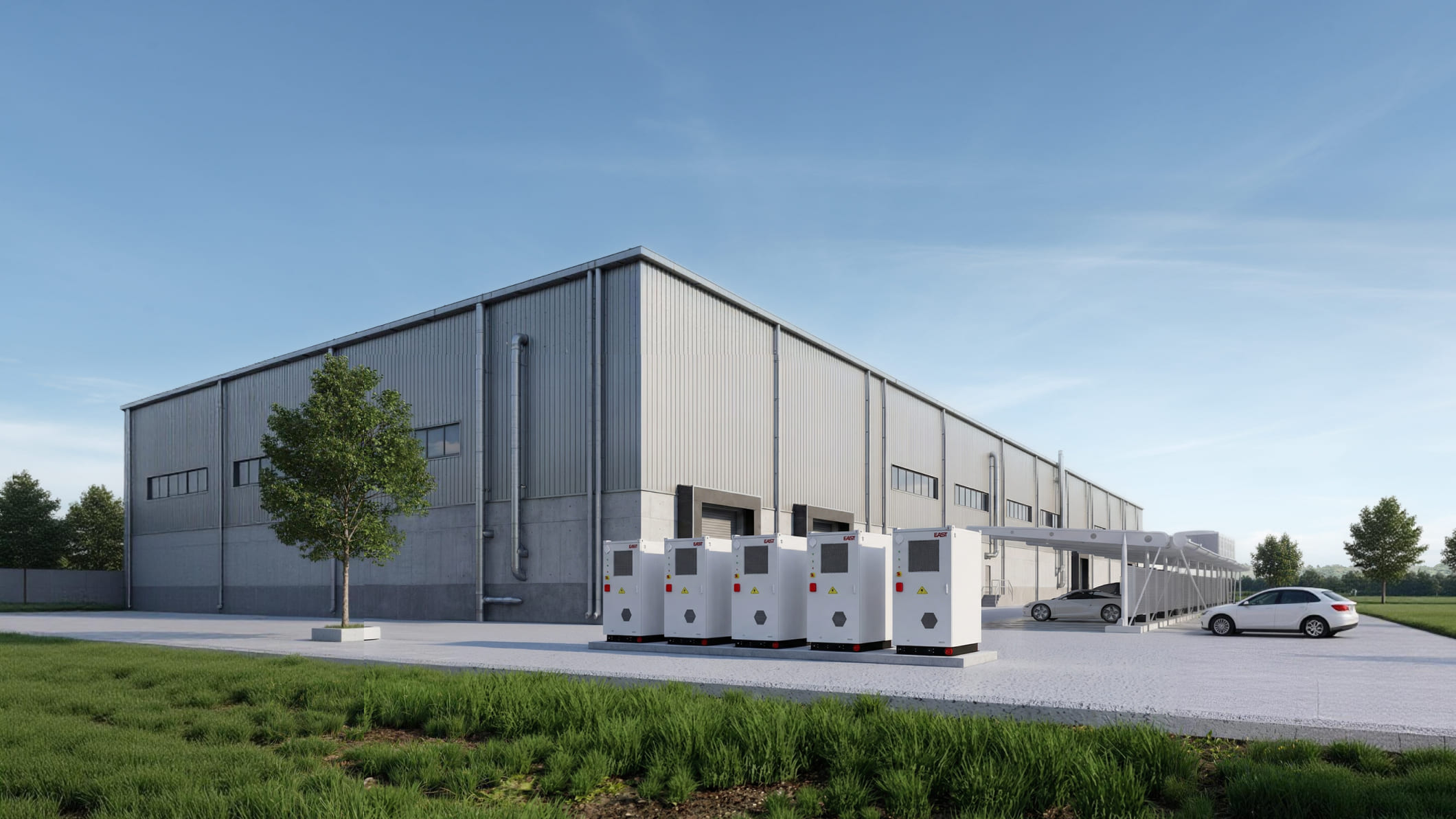
Products span 261kWh to 26.8MWh: large-scale systems for AIDC supply, and the 135kW/261kWh fully liquid-cooled C&I all-in-one for small/medium compute parks and edge nodes—supporting source-grid-load-storage coordination, microgrids, and storage-plus-UPS backup.
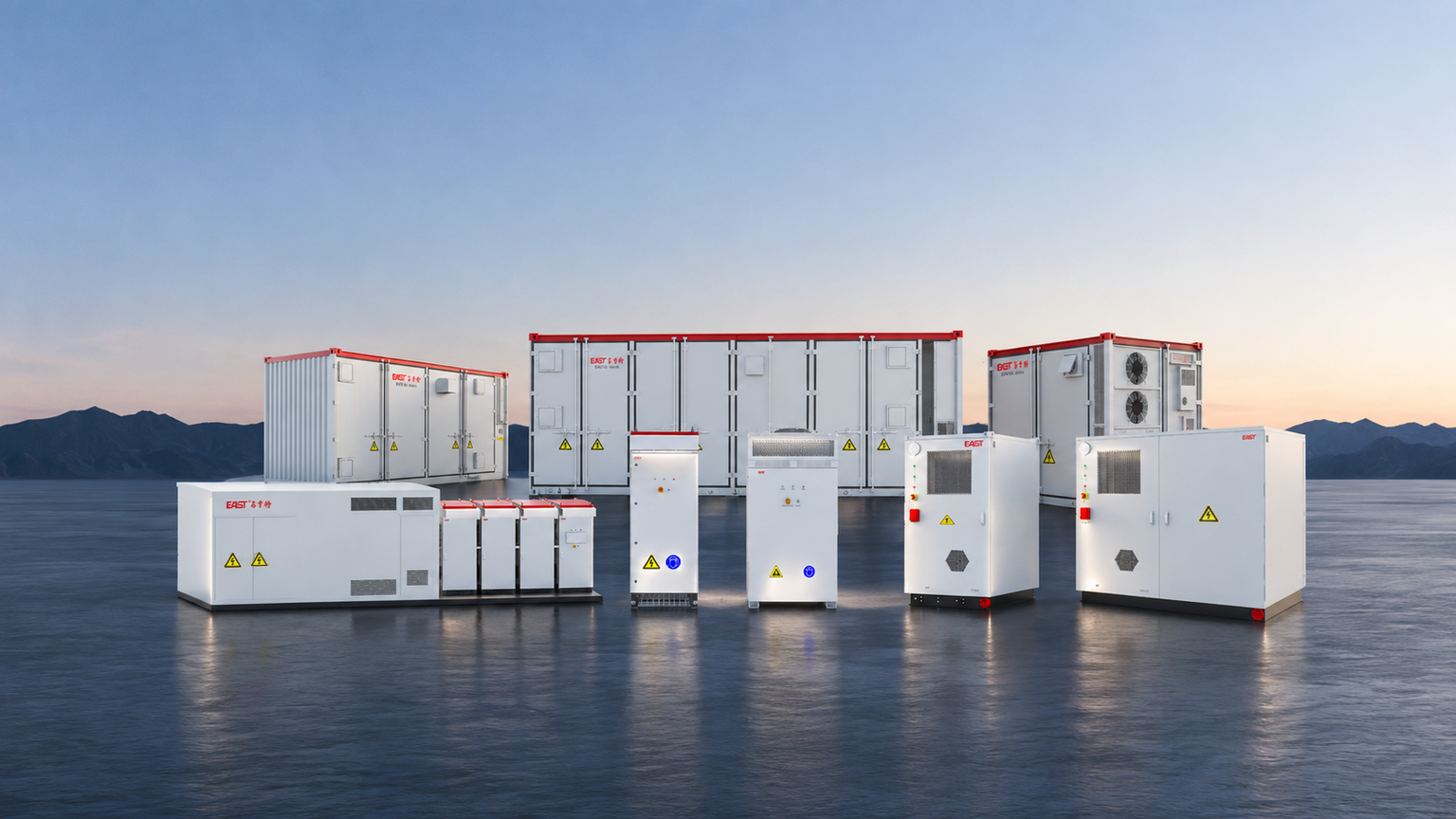
EAST delivers not an isolated device but an adjustable unit within the data center energy system—safeguarding supply continuity while optimizing costs and renewable use. As compute competition extends to infrastructure, storage becomes essential for stable, profitable, scalable AI data centers. EAST embeds storage into AIDC compute-power synergy, making every watt work harder for compute.